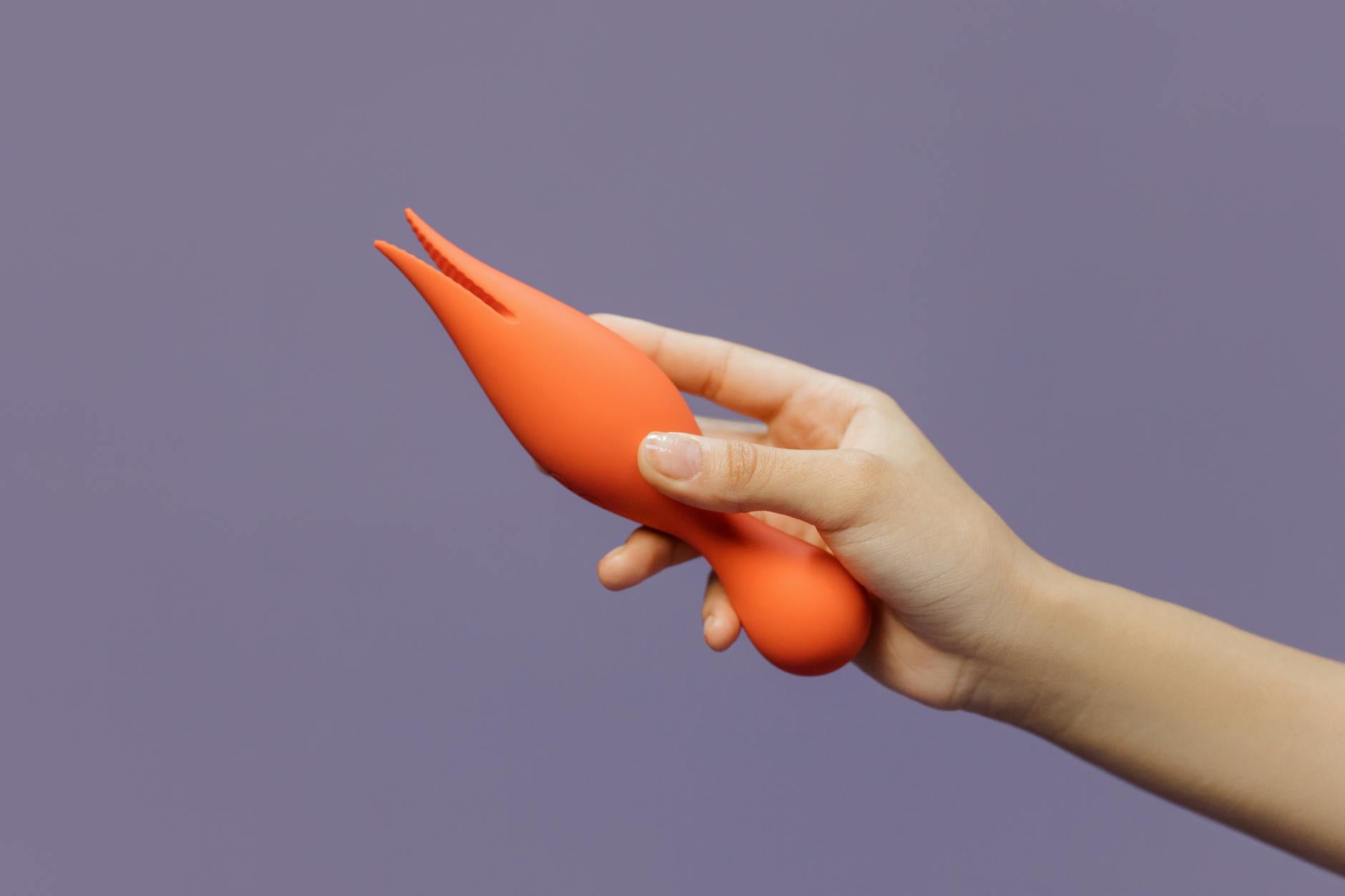
How to Use a Lemon Vibrator When Rebuilding Intimacy After Emotional Disconnection
When emotional distance has killed physical touch, a lemon clitoral vibrator can be the bridge that reconnects you to your own pleasure first—and to your partner second.
Emotional disconnection doesn't arrive with a bang. It creeps in. You stop texting during the day. Conversations become logistics. Sex becomes either an obligation or a ghost—something that used to happen and now doesn't. When emotional intimacy erodes, physical intimacy dies alongside it. That's not a failure. That's your nervous system telling you something real.
Here's the problem nobody talks about: trying to fix the sex without fixing the distance first feels like pretending. But waiting until the emotional part is "healed" before touching your body again? That can take years. A lemon vibrator doesn't solve the emotional distance. But it does something subtly radical: it gives you back agency over your own pleasure while the bigger work happens.
When we feel distant from a partner, the body knows it before the mind admits it. Your nervous system registers the lack of emotional safety and downregulates arousal. This isn't dysfunction. It's wisdom. Your body is refusing to be vulnerable with someone you don't feel emotionally connected to.
That said, waiting for perfect emotional alignment before you have any physical sensation again can trap you in a holding pattern. The shame that builds from not touching your body—from surrendering even your solo pleasure—becomes its own barrier to reconnection. It says: you're broken, you're unlovable, you're not worth touching.
A lemon vibrator short-circuits this trap. It lets you reclaim sensation and self-touch without the vulnerability that feels risky right now. It's not a substitute for the bigger conversation. It's a way to stay alive in your body while that conversation happens.
Before you even hold a lemon clitoral vibrator, you need to know this: pleasure during a time of emotional distance is not infidelity. It's not giving up. It's not betrayal. It's self-preservation.
If you're with a partner, you don't need their permission to touch yourself. You also don't need to hide it with shame. Some couples find that solo pleasure during disconnection is actually a bridge. It keeps arousal alive. It reminds both of you that desire is possible. Others need it as a way to feel safe in their own body while rebuilding trust.
The key is honesty with yourself about what you need. If secrecy feels necessary because you're afraid of their reaction, that's also information. That's part of the disconnection worth naming with a therapist or trusted person.
If you're rebuilding from emotional distance, starting with a lemon vibrator alone is smarter than waiting for partner sex. Here's why: you're in control. There's no performance pressure. There's no anxiety about someone else's reaction or timeline. You can focus entirely on what your body actually wants.
Start small. Set a time when you have 20 minutes without interruption. Your body needs to know you're not rushing. Don't set it as a goal ("I will orgasm"). Set it as a practice: "I'm going to spend 20 minutes remembering what pleasure feels like in my body."
Water-based lube is essential, even if you typically don't need it. Emotional distance often lives in the body as dryness, tension, numbness. Lube isn't a sign of dysfunction. It's a kindness to yourself. Start at the lowest intensity setting on your lemon vibrator. Let your nervous system adjust to sensation without overwhelming it.
If nothing happens the first time, that's fine. Reconnection takes time. Your body might need five or ten sessions of solo time before it remembers how to build arousal. That's not failure. That's your nervous system slowly deciding it's safe to want again.
Partners often sense when someone has started reclaiming their own pleasure, even if they don't have direct evidence. The energy shifts. You're less resentful. You're less numb. Some partners respond with curiosity. Others respond with threat.
If your partner responds with threat, that's information. If they say things like "You don't need toys if you had me" or "That means something's wrong with our sex," they're naming their own fear. That fear is real. But their fear is not your responsibility to manage by staying numb.
If your partner responds with curiosity, there's possibility. Some couples find that bringing a lemon vibrator into partner sex—even initially as a solo tool used during foreplay—becomes a way to rebuild the conversation. You're saying: "I want to feel good. I want us to explore this together." That's different from: "Our sex is broken."
Once you've spent time with solo pleasure, some couples use the lemon clitoral vibrator as a way to rebuild touch without the full vulnerability of partnered sex.
Example: your partner holds the vibrator while you guide them. This is less intimate than penis-in-vagina sex. It's more intimate than separate rooms. It's a way to be together in pleasure without the performance pressure that emotional distance often comes with.
Your partner can focus on watching you, on learning what you like, on being present in a low-stakes way. You can focus on sensation without worrying about their pleasure or whether you're performing correctly. It's a conversation that happens in the body instead of in words.
Not every couple is ready for this. Some need months of therapy before partner touch feels safe again. That's okay. There's no timeline for reconnection.
The intimacy you're looking for isn't really about sex. Sex is the symptom. The real work is rebuilding trust, presence, and vulnerability with a partner. That work is often worth doing with a therapist—someone trained in emotionally focused therapy or the Gottman Method. These approaches specifically address how disconnection happens and how to rebuild it.
What a lemon vibrator does is keep you in your body while that work happens. It says: you're still worthy of pleasure. Your desire still matters. You're not broken, and this distance is temporary.
Emotional distance often arrives because one or both partners have stopped feeling seen. A toy doesn't fix that. But it does prevent you from internalizing the distance as a personal failing. That distinction matters more than you might think.
At some point—maybe now, maybe in a few months—you and your partner will need to talk about what created the distance. This is not the toy conversation. This is the deeper one.
Sometimes emotional disconnection comes from a specific rupture: infidelity, betrayal, unmet needs. Sometimes it's slower: years of not feeling heard, of sex becoming obligatory, of lives running parallel instead of intersecting. Both need different repair work.
If you're in the first category, professional help isn't optional. If you're in the second, it's still worth it. A couples therapist trained in attachment can help you both understand how the distance happened and how to rebuild. Solo pleasure with a lemon vibrator keeps you alive while that happens. It doesn't replace it.
The goal isn't to use a vibrator forever as a substitute for partnered sex. The goal is to use it as a tool for staying connected to your own body and desire while you do the actual work of reconnection.
Yes. Your body belongs to you. That said, if you're hiding it because you're genuinely afraid of their reaction, that fear is part of the disconnection that needs addressing. There's a difference between privacy (reasonable) and secrecy driven by fear (a sign of a bigger problem).
It might, temporarily. Some partners interpret solo pleasure as rejection. But here's what's actually true: using a vibrator means you're refusing to surrender your desire entirely. That's actually the opposite of rejection. It's self-preservation. Once reconnection starts, that distinction becomes clearer.
There's no timeline. Some couples reconnect in weeks. Others take months or years. It depends on what caused the distance and whether both people want to repair it. A lemon vibrator doesn't speed this up. It just keeps you from losing yourself while it happens.
Not at all. It means you're refusing to give up on yourself. Some relationships heal. Some don't. Either way, you deserve to feel alive in your body. A vibrator is a small act of self-respect during a hard time.
The truth: "I need to feel like myself again. This is helping." Or: "I'm trying to reconnect with my own body while we figure things out." Honesty often creates more safety than secrecy does. But only share if you feel safe doing so.
Yes, but it works better once you've both done some individual work. Using it together too early can feel like forcing intimacy before the emotional safety is there. Start solo. Then, when you're both ready, explore together.
Emotional disconnection is painful because it is. There's no quick fix. A lemon vibrator doesn't repair the relationship. It doesn't rebuild trust. It doesn't solve the conversation that needs to happen.
What it does is let you stay embodied while the real work unfolds. It says: you're still you. Your pleasure still matters. This distance is temporary, even if it doesn't feel that way right now.
Reconnection happens slowly. It happens through small moments of being present. Through conversations that are hard. Through choosing, over and over, to show up vulnerably with someone. A vibrator is just a tool in that process. The real tool is your willingness to stay in your body and your heart while everything else is uncertain.