
Let's start with what nobody tells you
Arousal doesn't disappear as you age. It just doesn't arrive on the same schedule anymore. And that's actually where most of the friction happens.In your twenties, arousal might build in five minutes. By your forties or fifties, it takes fifteen. By sixty-five, maybe twenty-five. That's not a problem to fix. It's information to work with.
The reason people struggle isn't that their bodies stopped working. It's that nobody explained the timeline change, so they panic, assume something's wrong, and then make it worse by rushing or forcing it.
Why arousal takes longer (the actual physiology)
Three things shift as you age:
Blood flow response slows slightly. When you're younger, blood floods to the clitoris almost immediately after stimulation or arousal. After thirty or so, that response softens. The engorgement still happens, just more gradually. This is completely normal and not reversible (nor does it need to be).
Nerve sensitivity changes. This one surprises people. Your nerve endings don't disappear, but the brain's response to stimulation becomes more selective. You need more targeted, sustained stimulation to trigger the same cascade of sensation. A light touch that worked at twenty might feel like nothing at fifty. A direct, consistent sensation feels incredible.
Hormonal shifts (yes, even before menopause). Testosterone, DHEA, and estrogen all drift downward starting in the late thirties. These hormones don't just affect your body. They affect motivation, arousal cues, and how quickly desire builds. This isn't weakness. It's biology.
Here's the part that matters: none of this changes your capacity for pleasure or orgasm. It changes the route to get there.
Why the timeline shift breaks most sex
Most people respond to slower arousal in one of three unhelpful ways.
Panic mode: "Something's wrong, I'm broken, let me force it." This leads to performance anxiety, which makes arousal slower. Downward spiral.
Resignation mode: "I'm too old for this, I'll just skip it." Intimacy stops, connection fades, and then resentment arrives. Also bad.
Mismatch mode: Partners have different arousal timelines. One person is ready in five minutes. The other needs twenty. One feels rushed, the other feels ignored. Neither gets satisfied.
The fix is not medical. It's behavioral and informational. You need to know what to expect, budget time accordingly, and use tools that work with your physiology instead of against it.
How a lemon clitoral vibrator changes the equation
Here's why I recommend lemon vibrators and lemon sucker-style clitoral vibrators specifically for this situation.
Traditional vibrators work via friction. They're fast and numbing. They require your body to match their pace. When your natural arousal timeline is slower, you're already fighting biology. A fast vibrator makes that fight harder.
A lemon vibrator like the ones from Helo Nancy's Slem uses suction and pulsing patterns instead. This approach is smarter for aging bodies because it:
Triggers arousal more efficiently. Suction stimulates the entire clitoral network, not just the surface. It works with how your nerves actually respond, not against it. Many people find that a lemon clitoral vibrator builds arousal faster than friction alone, even though the vibrator itself feels gentler.
Builds sensation gradually. You can start at pattern one and explore patterns two through five as arousal deepens. The increasing intensity matches your natural timeline instead of fighting it. No racing to catch up with the toy.
Doesn't numb. Friction vibrators can desensitize tissue over time. Suction doesn't. This matters if you're using the toy regularly and want consistent sensation over months and years.
Feels more interesting. After forty years of the same sensation, variation matters. The patterns in a lemon vibrator feel different from what your body has experienced before. That novelty itself can accelerate arousal because your brain is actually engaged.
The timeline framework that actually works
Instead of "getting ready," think about arousal in three phases.
Transition (5-10 minutes). You shift from everyday mind into a sensual space. No sex yet. You're removing tension, getting comfortable, maybe having a conversation or touching your partner without agenda. Lemon adult toys don't come out yet. This is about shifting your nervous system state.
Building (10-15 minutes). Now sensation enters. You might use a lemon vibrator here, starting at low patterns. The goal isn't orgasm. It's depth. Let arousal build slowly. Notice what feels good. If you have a partner, they might touch you elsewhere while you use the toy. This is where people usually rush. Don't.
Peak (5-15 minutes). Now you might increase the lemon vibrator intensity, or switch positions, or shift focus. This phase can be short or long depending on what you want. The difference is that you've actually built arousal instead of trying to manufacture it at full intensity.
Total time: twenty-five to forty minutes. That feels long to people trained on quickie sex. It feels right to anyone who's actually had sex with a longer timeline.
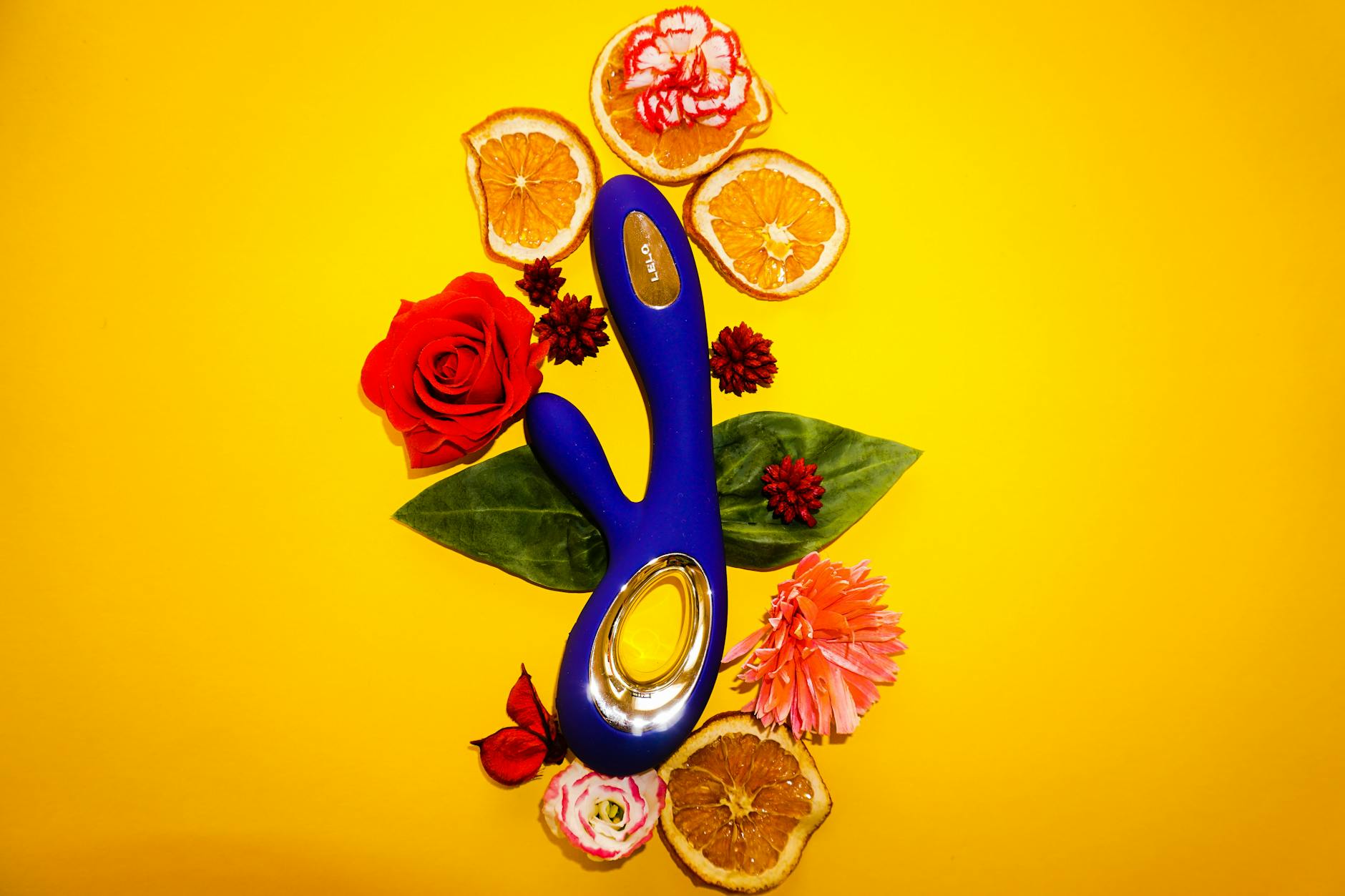
Photo by DRT.fm . on Pexels
How to talk about this with your partner
If you have a partner, the conversation matters more than the toy.
Say: "My arousal timeline has shifted. That's normal. It doesn't mean I want you less. It means I need more time to build sensation. I want us to explore that together."
Then be specific. "When we have sex, I want us to spend at least fifteen minutes in transition and building before we move into other things. I want to use a lemon vibrator during that time. I want you touching me somewhere else. I want you to slow down if I ask."
Most partners respond well when they understand it's not rejection. It's actually deeper intimacy because you're asking them to stay present longer, not speed through.
If your partner feels threatened by a toy, read this essay on how to handle partner resistance. The short version: a lemon vibrator isn't competition. It's a tool that helps you enjoy them more.
Solo pleasure and the arousal timeline
Solo sex can actually be simpler because you control the entire pace.
Start with no toy. Spend five minutes transitioning. Touch your body without agenda. Breathe. Then introduce a lemon clitoral vibrator at pattern one or two. Let sensation build for ten minutes. Only increase intensity when it feels natural. Many people find their best orgasms happen when they've stopped trying to reach orgasm and just followed their body's timeline.
This is where a lemon vibrator really shines. You're not fighting its pace. You're following your own.
What actually changes as you age (and what doesn't)
Arousal timeline slows. That's real.
Everything else stays: your capacity for intense sensation, your ability to have multiple orgasms (sometimes easier as you age because less pressure), your interest in novelty, your pleasure in connection.
Many people report their best sex happens in their fifties and sixties because they finally stop caring about performance and start actually paying attention to sensation.
FAQ
Why does arousal take longer as I get older?
Three main reasons work together. Blood flow to the clitoris becomes more gradual, so engorgement takes longer. Hormone levels (testosterone, DHEA) decline slightly, which affects motivation and arousal cues. And nerve sensitivity changes, meaning you need more targeted, consistent stimulation to trigger arousal. This is completely normal aging and doesn't indicate anything is broken. Your capacity for pleasure stays intact; the timeline just stretches.
Can a lemon vibrator speed up my arousal timeline?
Not exactly, but it can feel like it does. Lemon clitoral vibrators use suction instead of friction, which stimulates the entire clitoral network more efficiently. Many people find that suction-based stimulation triggers arousal faster than friction alone, even though the vibrator itself feels gentler. It's not about speeding your body up. It's about using a tool that works with your physiology instead of against it.
Is a slower arousal timeline a sign something is wrong medically?
No, unless it's accompanied by pain, complete loss of desire, or a sudden dramatic change. A gradual slowing of the arousal timeline as you age is normal biology. However, if arousal suddenly stopped or desire disappeared abruptly, that's worth discussing with a doctor. It could be medication side effects, hormonal shifts, or something else that's actually treatable. But slow arousal alone is just aging.
How do I tell my partner my arousal timeline has changed?
Be direct and specific. Say something like: "My arousal builds more slowly now, and I'd like us to spend more time in foreplay and building. I want to use a lemon vibrator during that time, and I want you involved." Frame it as an opportunity for deeper connection, not a complaint. Most partners respond well when they understand it's not rejection; it's actually asking them to stay more present. If your partner feels threatened, have the conversation about what that means for them.
Does a longer arousal timeline mean I'll have less satisfying orgasms?
Often the opposite. People who build arousal slowly tend to have more intense orgasms because the body is more fully engaged. Rushing through the building phase can lead to weaker orgasms. If you shift your expectation from "fast" to "deep," you often find the experience becomes more satisfying overall. A lemon vibrator can help because it lets you extend the building phase without strain.
Can hormonal changes affect how quickly I get aroused?
Absolutely. Testosterone, DHEA, and estrogen all influence arousal cues and desire. As these hormones gradually decline with age, some people notice arousal takes longer or needs more intentional focus. This is especially true during perimenopause and after menopause. If the shift feels dramatic, a doctor can check hormone levels. But slow, gradual changes are typical aging. A lemon vibrator can help bridge that gap because it requires less hormone-driven arousal to trigger sensation.
What comes next
Your arousal timeline isn't a problem. It's information. When you stop fighting it and start working with it, sex often becomes more satisfying, not less.
A lemon vibrator from Helo Nancy's Slem is built for this exact situation. It works with aging bodies instead of against them. Start slow, build gradually, and let sensation deepen on your own timeline.
If you want to explore how this looks in your specific situation, with your specific partner or solo, reach out. That's what we're here for.