
Let's be real about why this feels like a bigger deal than it is
Introducing a lemon vibrator into partnered intimacy can feel loaded. You're worried it signals something about your partner, about your relationship, about what you need that they're not providing. None of that is true, but the stories we tell ourselves about toys tend to run deep. I work with couples constantly who want to explore this together and they're surprised by how straightforward it actually becomes once someone says it out loud.
Here's what I know after two decades of working with partners: the toy is never the conversation. The conversation is about desire, curiosity, and permission. The tool just makes that easier to access.
The conversation that doesn't have to be scary
You don't need a scheduled sit-down or a solemn moment. The best introduction happens because you brought it up casually, or they did, or you both landed there at the same time. But there's a script that works nearly every time.
Start with honesty: "I've been thinking about trying something together, and I'd like your input." That's it. Not "I need this," not "I read that we should," just curiosity framed as a shared experiment. Your partner's brain will either go to a place of interest or defense. If it's defense, that's information you need. That's a conversation about what the resistance is actually about. Often it's not about the toy. It's about feeling replaced, or wondering if something's wrong, or just unfamiliarity.
If they're interested (and statistically, most are), the next sentence matters: "I want to try it together because it feels like something we'd enjoy exploring." That frame—together, exploration—changes the entire energy.
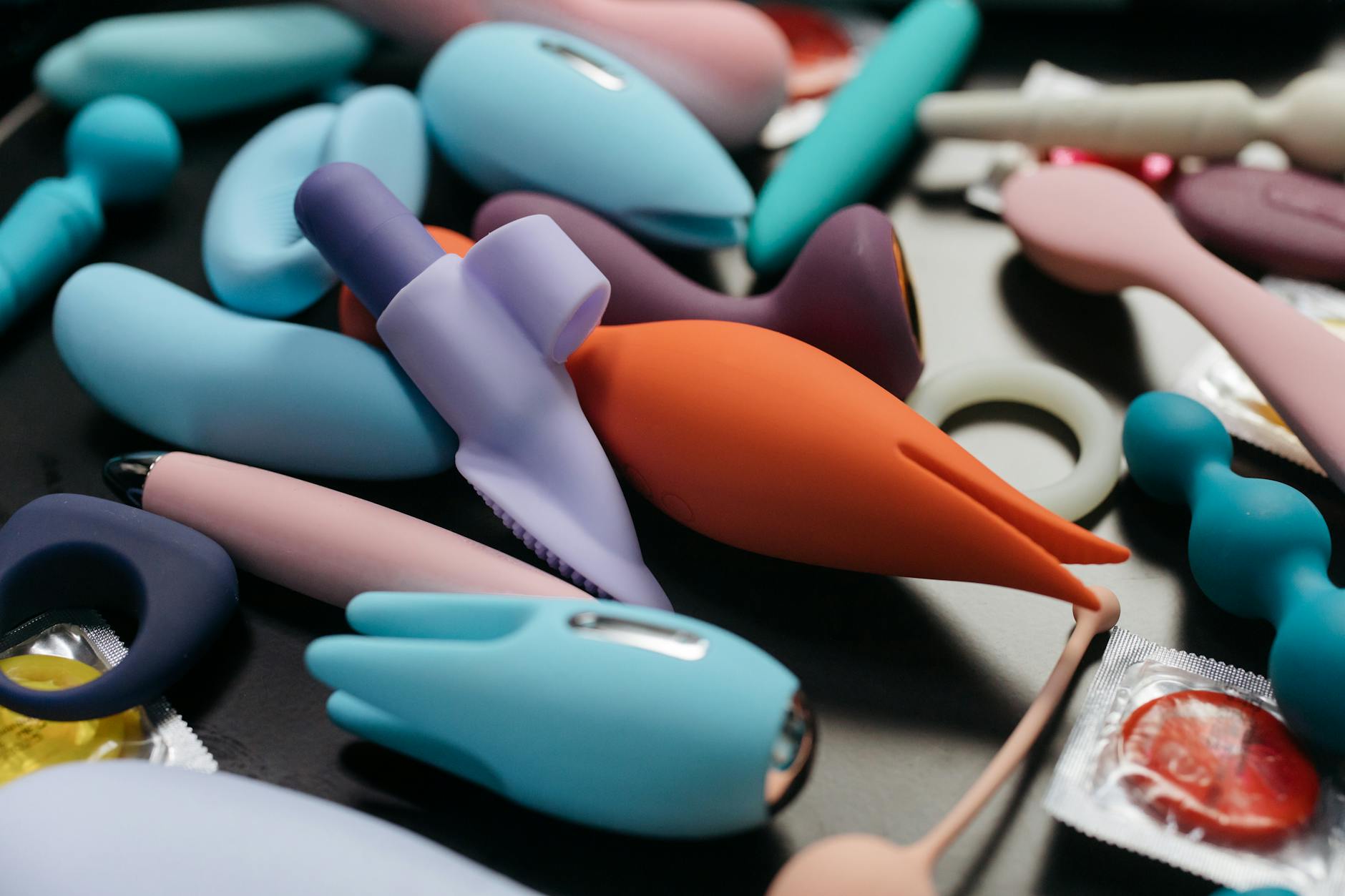
Photo by cottonbro studio on Pexels
Why a lemon clitoral vibrator works so well for couples
A few things make lemon vibrators, particularly suction-based ones, genuinely good for partnered exploration. They're not intimidating. They're quieter than traditional vibrators, which matters if you're in an apartment or just want to hear each other. The sensation is unique enough that it often surprises both partners in a good way.
But here's the real reason: the lemon vibrator creates an obvious focal point. Your partner can see what's happening. They're not competing with anything. Many couples find that the actual stimulation matters less than the permission, the novelty, and the fact that you're both leaning into something together. The lem vibrator gives you all three.
A lemon sucker style toy also means your partner has clear options for involvement. They can be directing the experience, using it on you, or simply present while you use it on yourself. That flexibility matters for people working into partnered play for the first time.
The setup that makes it feel less awkward
Timing matters. Don't introduce it at the beginning of sex when you're both still warming up. Introduce it when you're already aroused, when the pressure is off, when you're both relaxed. This is why the best moment is often during foreplay, 15 or 20 minutes in, when you've already established comfort.
Position yourself so your partner can see and participate if they want. If you're lying on your back, they can be beside you or between your legs. The visibility matters more than you'd expect. People feel less anxious about something when they can actually observe what's happening rather than imagining it.
Start at the lowest setting. I know that sounds obvious, but people skip this step. Low settings let both of you adjust to the sensation and the experience. You can build intensity together.
One thing I tell clients: use lube. Even if you don't typically need it, even if you think you're already sufficiently aroused. Lube changes the experience because it changes the sensation. It also signals that this is a generous act, not a desperate one. You're making space for ease, not just intensity.
What to actually do with your hands and attention
Your partner isn't obsolete when you introduce a lemon vibrator. In fact, this is the moment when their hands and focus become more important, not less. A clitoral vibrator is a tool, not a replacement. Your partner still gets to touch you, to kiss you, to read your body. The toy just handles one specific job.
They can use one hand to hold the lemon vibrator while their other hand roves. They can watch your face and notice what patterns make you respond. They can ask what feels good. This is actually more attentive than many people are during typical sex because there's novelty pulling everyone's attention forward.
If you want to use the lemon vibrator on yourself, your partner can be doing something else. They can be inside you, stimulating you differently, holding you, or simply watching. The experience doesn't require them to be passive. It just requires them to be present.
The emotional stuff nobody talks about
Once the physical part starts, there's often a moment where one or both of you notice something unexpected. You might feel incredibly vulnerable because something that feels good is now witnessed. Your partner might feel a rush of arousal watching you respond to new stimulation. They might feel a moment of jealousy or inadequacy. That's all normal. That's all workable.
If something tender comes up during or after, name it. "I noticed you got quiet—what came up for you?" This isn't clinical. This is how partners stay connected through new territory. Sometimes people need reassurance that this doesn't mean anything is wrong. Sometimes they just need to know you're thinking about them.
One pattern I see: couples who can laugh during sex have an easier time introducing new elements. If something feels awkward or slightly ridiculous, let it be. Say it out loud. Humor is permission.
When the experience goes sideways (and what to do)
Maybe the sensation doesn't feel as good as you expected. Maybe your partner gets uncomfortable. Maybe you both just feel weird about the whole thing. That's allowed. You're allowed to try something and decide it's not for you.
But there's a difference between "this didn't work" and "I didn't feel safe." If you didn't feel safe, that's important information about your relationship that has nothing to do with the toy. If the sensation just wasn't your preference, that's simple: you now know something about your body.
If your partner struggled with it, ask what specifically. Was it the physical sensation? The emotional experience of seeing you respond to something else? The loss of control? Each of those needs a different conversation and a different solution.
For many couples, the first time doesn't feel great. The second time, when you both know what to expect, is often better. You're less in your head, more in your body. You can focus on connection instead of novelty.
How to build from here
Once you've introduced a lemon clitoral vibrator into your partnered play, you have options. You can keep using it the same way every time. You can experiment with different patterns, pressures, or timing. You can explore how this changes your arousal timeline. Some couples find that this opens the door to other forms of exploration. Some find that the toy is all they needed.
The key is that you've done something together. You've communicated about desire. You've stayed present through something new. That's the foundation of intimate partnership, and the toy is just evidence of it.
One more thing: if this goes well and you both want to continue, check in periodically about what's working. Not in a clinical way. Just "I really like how this feels between us" or "I'm curious if you want to try something different." Partnered play is a conversation that never really ends. It just deepens.
FAQ: Questions partners actually ask
Will using a lemon vibrator make my partner feel replaced?
Not if the introduction is framed correctly. The difference between "I need this because you're not enough" and "I want to explore this with you" is everything. The first creates resentment. The second creates curiosity. If your partner is struggling with feelings of inadequacy, that's real and worth addressing separately. A toy doesn't fix relationship insecurity. Honest conversation does.
What if my partner suggests using a lemon vibrator but I'm nervous?
That nervousness is usually about control or visibility, not the tool itself. Ask yourself what specifically makes you anxious. Is it about how your body will respond? Is it about being watched? Is it about the stimulation feeling too intense? Each answer points to a different solution. You might need more time to warm up, different positioning, lower settings, or just reassurance that you can stop anytime.
Is it normal for an orgasm with a lemon clitoral vibrator to feel different than without one?
Completely normal. A lemon vibrator creates a different pattern of stimulation than a partner's hand or mouth. It's often more focused, more consistent, sometimes more intense. Your body might respond differently because your nervous system is processing something new. This doesn't mean it's better or worse. It's just different. After a few times, your body will understand what's happening and the experience will feel more integrated.
Should we use a lemon vibrator every time we have sex?
No. Many couples find that toys work best as occasional additions, not every-time fixtures. The novelty wears off if it becomes routine. Some people love using them regularly. The answer is whatever feels good to both of you. There's no schedule you're supposed to follow.
What if one partner wants to use it and the other doesn't?
That's a negotiation, not a problem. One person can use a lemon vibrator during partnered sex while the other prefers traditional stimulation. You can take turns. You can use it sometimes and not others. The key is that both partners feel heard. If one person is completely unwilling and the other deeply wants to explore, that's a bigger conversation about autonomy and desire in your relationship.
Can a lemon vibrator help if we've lost sexual connection?
Sometimes. A toy can create novelty that reminds a couple what attraction feels like. But it's not a fix for disconnection. If sex has become distant because you're not talking, not touching, or harboring resentment, a lemon clitoral vibrator won't solve that. It might open a door. But you still have to walk through it together. Understanding how arousal shifts in long-term relationships is just as important as the tool itself.
The bottom line
Introducing a lemon vibrator into partnered intimacy is an act of curiosity, not a sign of trouble. It's an invitation to explore together. The conversation matters more than the tool. Your partner's presence and attention matter more than the sensations. And the willingness to try something new together? That's what actually deepens connection.
You deserve partnered experiences that feel good, feel safe, and feel like you're both all in. A lemon clitoral vibrator can be part of that. But it's your presence with each other that makes it work.