
The question nobody asks until they need to know
Let's be real. You've heard about lemon vibrators, maybe seen them called "lemon suckers" or air-suction toys, and wondered what the actual difference is. If you're used to traditional vibrators, a lemon clitoral vibrator feels like stepping into another category entirely. Not better, not worse. Different in a way that matters.
The core difference is mechanical. Traditional vibrators buzz. Lemon vibrators pulse air against your clitoris in rapid cycles. That distinction changes everything about how sensation feels, how loud the experience is, and who might gravitate toward one over the other.
How air-suction technology actually works
A lemon vibrator uses a sealed chamber with a small opening that sits against your skin. Inside that chamber, a motor rapidly opens and closes, creating micro-pulses of suction and release. It's less like a buzzing wand and more like a very gentle, very fast mouth. The sensation is concentrated and pulsing rather than vibrational.
The motor does this by flexing a membrane or moving a magnetic core back and forth. When it flexes in, it creates a slight vacuum. When it releases, it breaks that seal. Repeat this 3,000-5,000 times per minute, and you get a sensation that feels more like waves than like the straight-line vibration of a traditional vibrator.
The key technical difference: traditional vibrators move the entire toy side to side or up and down. Lemon vibrators keep the toy still and move only the air inside the chamber. That's why they're quieter. There's less physical movement to transmit into noise.
Why the sensation feels so different
Your clitoris has roughly 8,000 nerve endings concentrated in an incredibly small space. Traditional vibrators stimulate broadly across that area with a consistent buzzing motion. Lemon vibrators create a pulsing sensation that feels more targeted.
Many people describe it as more intense, even though the absolute vibration strength might be lower. That's because the suction creates a different kind of pressure. It's not spreading the stimulation across the tissue. It's pulling on it, concentrating sensation in a tighter area.
For partners sharing a bed, the quiet factor is genuinely meaningful. A traditional vibrator hums loud enough to be heard from another room. A lemon vibrator sounds more like a soft whirring. Some people find they can actually relax more knowing no one else in the house will hear.
When air-suction works better than traditional vibration
Three scenarios come up most often in my practice:
First: sensitivity changes. If your clitoral tissue has become more sensitive over time (whether from age, medication, or recovery from numbness), a lemon vibrator often feels less overwhelming than a traditional one. The pulsing rhythm gives your nervous system clear on-and-off signals instead of sustained buzz.
Second: fatigue. Some people find that the continuous buzz of a traditional vibrator creates fatigue in the nerves. They get desensitized the longer the session goes. Pulsing air-suction creates a different kind of stimulation arc. Orgasms often come more easily because the sensation doesn't plateau the same way.
Third: partnered pleasure. If you want to integrate a toy during partnered sex without disrupting the vibe, a quiet lemon clitoral vibrator changes the game. Partners are less likely to feel self-conscious about the noise, and you're less likely to lose focus on connection.

Photo by DRT.fm on Pexels
The adjustment period is real
If you're transitioning from a traditional vibrator to a lemon sucker, your body needs a minute. You're used to a certain rhythm and pressure profile. Air-suction feels foreign at first. Some people love it immediately. Others take a few sessions to understand what their body is responding to.
Start at the lowest setting. Let your nervous system get familiar with the pulsing pattern before cranking up intensity. The sensation compounds differently than traditional vibration does. What feels mild on setting 1 might surprise you on setting 3.
For some people, the adjustment never clicks. That's fine. Pleasure isn't one-size-fits-all. But many find that once their body understands the rhythm, they prefer the focused sensation and the quiet.
Why quiet matters more than people admit
Let's not dance around this. Noise anxiety is real. If you share a home with roommates, family, or a partner who isn't comfortable with the sound, you self-censor. You rush. You don't fully relax because part of your brain is listening for footsteps.
A lemon vibrator removes that friction. You can take your time. You can breathe fully without bracing for interruption. That mental shift alone changes pleasure. Your body responds differently when you're not partly vigilant.
During partnered play, the quiet factor also shifts dynamic. Some couples find that traditional vibrators create a weird spectator energy. It's loud, obvious, slightly clinical. A lemon clitoral vibrator feels more integrated. It's there, but it's not announcing itself.
How to use a lemon vibrator for maximum sensation
Three tactical pieces matter here.
Positioning. The opening needs consistent contact with your clitoris. Unlike a traditional vibrator, you're not moving the toy around. You're holding it still in one spot and letting the air-suction do the work. Slight angle adjustments matter more than you'd expect.
Lubrication. Water-based lube helps the seal, but you don't need much. Too much actually works against you because it breaks the suction seal. A small amount is all you need. The moisture helps sensation travel, not slickness.
Pressure. You control sensation through two variables: the intensity setting and how hard you press the toy against your body. Lighter pressure often feels better than bearing down. Let the suction do the work instead of forcing contact.
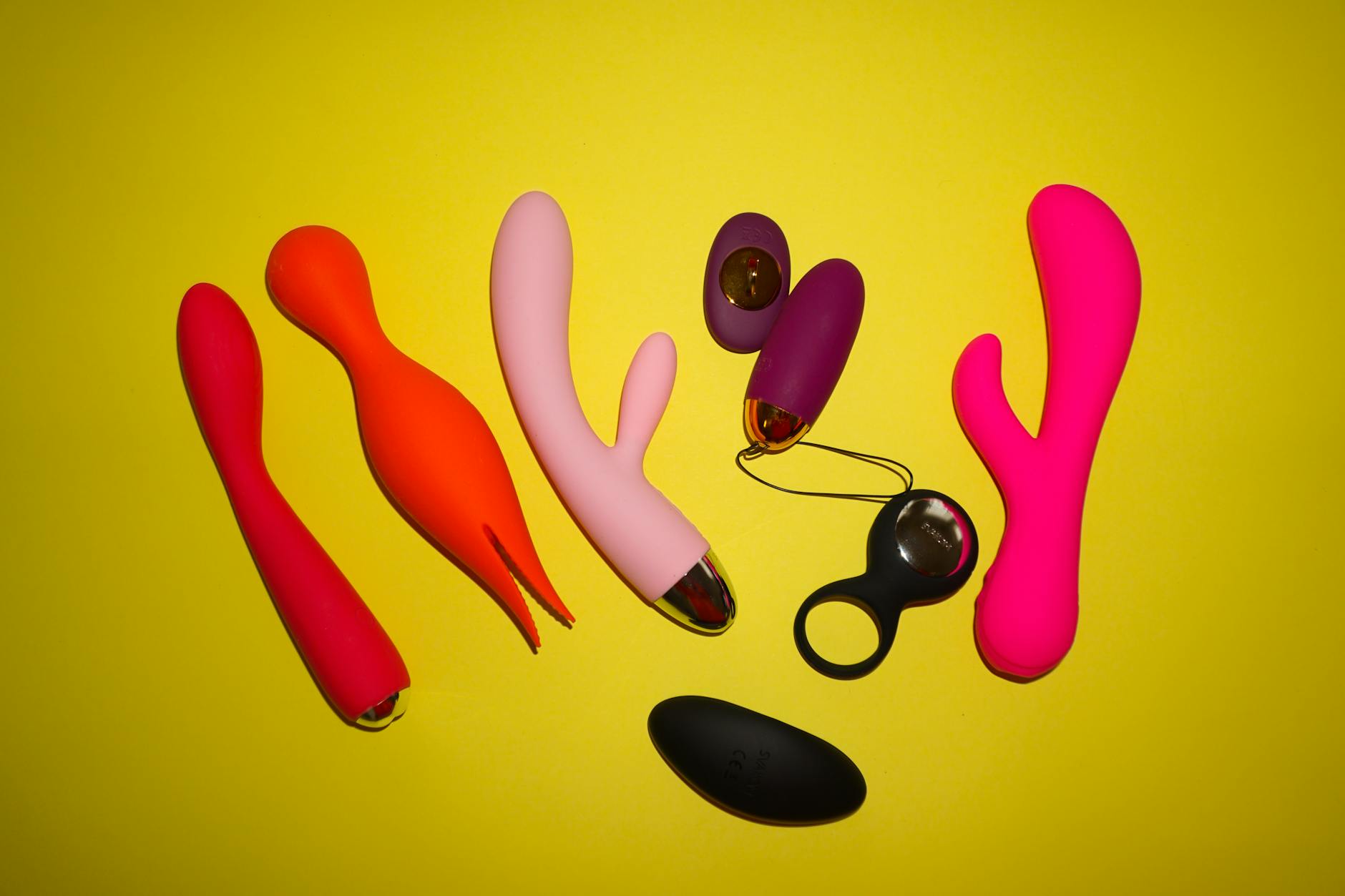
Photo by DRT.fm on Pexels
The noise comparison that actually matters
Here's what you're working with. A traditional vibrator typically ranges from 50-80 decibels depending on the toy. That's conversational speech to a loud alarm clock. A lemon vibrator usually sits around 30-50 decibels. That's a quiet room to office-level background noise.
That gap sounds small until you're living it. Fifty decibels travels through walls. Thirty decibels doesn't. That's the difference between needing to time your pleasure around other people's schedules and being able to use a toy whenever you actually want to.
Common myths about lemon vibrators
They're not stronger. They're different. Strength and type of sensation are separate variables. A lemon sucker isn't inherently more intense than a traditional vibrator. It just concentrates intensity differently.
They don't work for everyone. True. Some people's bodies respond better to vibrational patterns than pulsing air-suction. That's anatomical, not a personal failure. If you try a lemon clitoral vibrator and it doesn't land, a traditional vibrator isn't a step down. It's just a better match for your body.
You need tons of lubricant. Nope. In fact, too much lube undermines the mechanism. A small amount to ease sensation is all you need.
They're harder to clean. Also false. They rinse the same way any toy does. Water and mild soap. The seal between chamber and opening doesn't trap debris.
When to reach out for support
If you're adjusting to a lemon vibrator and something feels off (discomfort, numbness, unusual sensation), check the care guide. Pressure that feels too intense or angles that create soreness are usually about positioning, not the toy itself.
If you're partnered and exploring air-suction technology together for the first time, this guide to trying partnered play walks through the conversation before you actually use it.
And if you're coming from years of traditional vibrators and wondering whether to switch, that depends entirely on what your body is telling you. Some people happily use both depending on mood. Others find a lemon sucker clicks so perfectly they never go back.
FAQ
Are lemon vibrators actually quieter than traditional vibrators?
Yes. They operate on a fundamentally different principle. Traditional vibrators move the entire toy, which creates vibration that transmits into noise. Lemon vibrators move air inside a sealed chamber, which is mechanically quieter. Most lemon suckers operate at 30-50 decibels versus 50-80 for traditional vibrators. That's a meaningful difference for people sharing living spaces or concerned about privacy.
Can you use a lemon vibrator during partnered sex?
Absolutely. Many couples prefer lemon clitoral vibrators during partnered play because they're quieter and don't disrupt the connection. Positioning matters more than with a traditional vibrator because you're holding it still rather than moving it. The pulsing air-suction sensation also feels more integrated into partnered touch than a buzzing wand does.
Do you need special lubrication for a lemon vibrator?
No. Water-based lubricant works fine, but you need less than you might think. Too much actually breaks the suction seal that creates the sensation. A light coating to ease glide is all you need. The mechanism doesn't require slickness the way some toys do.
How long does it take to get used to the pulsing sensation?
That varies. Some people love it immediately. Others need 2-3 sessions for their nervous system to understand the rhythm. If you're coming from years of traditional vibrators, expect an adjustment period. Start on the lowest setting and work up as your body gets familiar with the pulsing pattern.
Are lemon vibrators good for people with sensitive clitorises?
Often, yes. The pulsing rhythm and focused sensation can feel less overwhelming than the sustained buzz of a traditional vibrator. But sensitivity is individual. Some people find concentrated pulsing more intense than broad vibration. Testing at a lower setting first gives your body information about whether it's a good match.
Can you use a lemon vibrator if you have numbness or reduced sensation?
Yes, and many people with sensation changes find lemon suckers more effective than traditional vibrators. The pulsing creates clearer on-off signals to your nervous system compared to sustained buzz. That often makes orgasm more accessible when sensation is muted or unpredictable.
The bottom line
A lemon vibrator isn't a replacement for traditional vibrators. It's a different tool for a different kind of sensation. The quiet factor alone matters to plenty of people. The pulsing rhythm appeals to others. Some folks appreciate that lemon clitoral vibrators work well during partnered play without the spectatorial vibe of a buzzing wand.
If you're curious, there's no harm in trying one. Your body will tell you whether air-suction sensation clicks for you. That information matters more than any general recommendation.
Ready to explore? Get in touch if you have questions about which lemon vibrator might be right for you.