Let's start with what no one tells you
Sexual trauma doesn't just affect how you feel emotionally. It rewires your nervous system. Your body learns to brace, to dissociate, to shut down sensation as a survival mechanism. That's not a flaw in you. That's your body doing exactly what it was designed to do. The hard part is that survival mode becomes a habit, even when the threat is gone.
Reclaiming orgasm after trauma is not about forcing pleasure back into your body through sheer willpower. It's about slowly, deliberately teaching your nervous system that sensation is safe again. A lemon clitoral vibrator can be a powerful tool in that process, but only if you use it with intention, patience, and zero pressure.
Why lemon vibrators are different for trauma recovery
Most vibrators deliver hard, fast vibration. Your nervous system might interpret that as an assault. It can trigger bracing or dissociation without you even realizing it's happening.
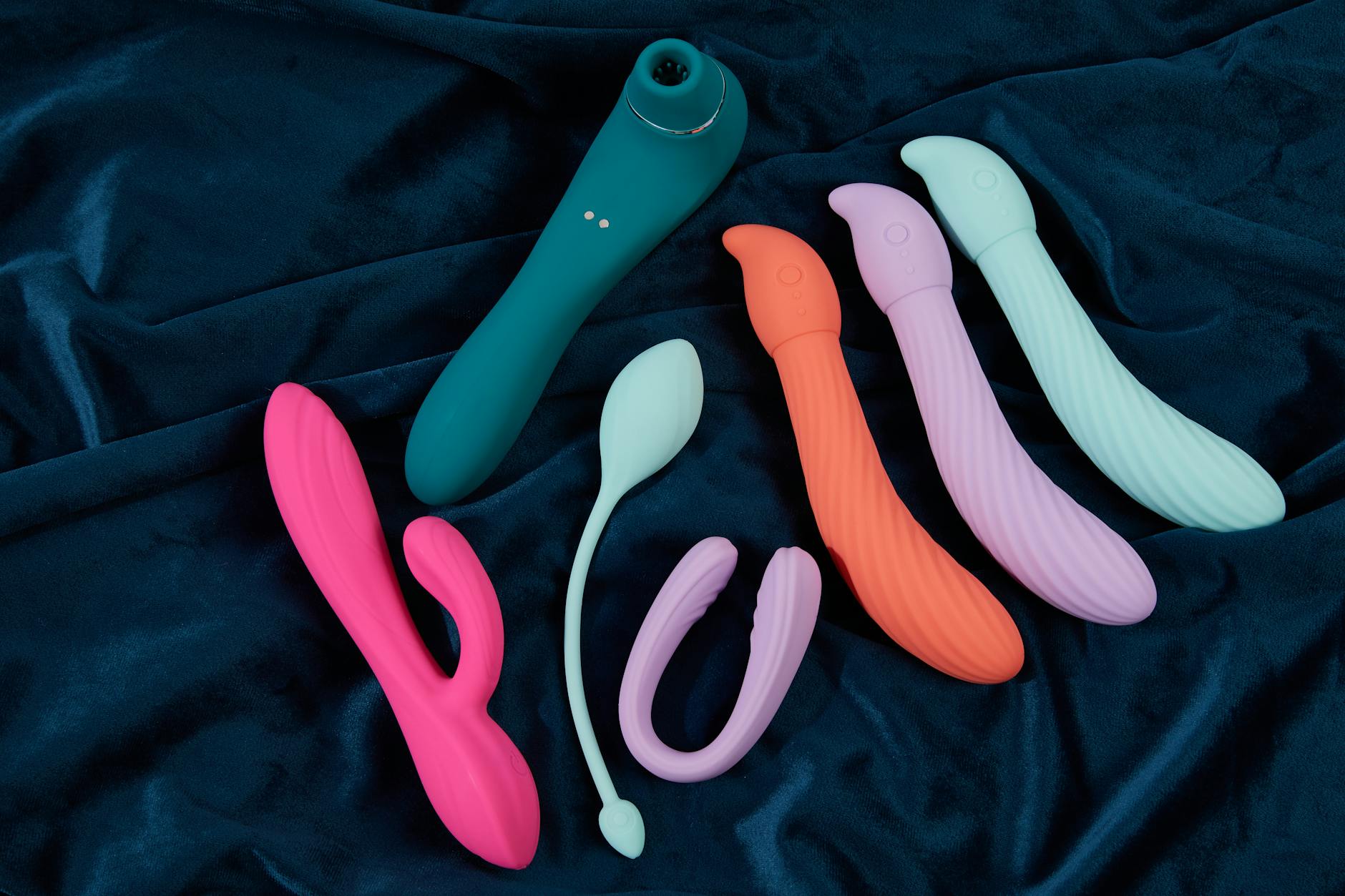
Lemon vibrators and suction-based stimulation work differently. They use gentle, rhythmic pressure instead of aggressive vibration. That rhythm actually helps regulate your nervous system. It gives your brain something consistent to track, which is the opposite of the unpredictability trauma created.
Here's the clinical piece: suction activates the parasympathetic nervous system (your rest-and-digest mode) more readily than traditional vibration. For someone healing from trauma, that's the difference between your body staying engaged and your body disappearing.
Building the foundation: safety first, pleasure second
Before you even touch a lemon vibrator, you need to do the slower work.
Talk to your therapist about this specific step. Not because vibrators are dangerous, but because your therapist knows your history and your specific nervous system patterns. They can help you identify what safety actually feels like in your body.
Then, in your own space, spend a few sessions just breathing. Not meditation app breathing. Real breathing. Notice where your body feels numb. Where does sensation live? Your hands? Your face? Start there. Touch those places without expectation.
When you introduce a lemon vibrator, you're not trying to jump to orgasm. You're teaching your body that controlled, repetitive sensation is safe. That you have agency. That you can stop whenever you want.
Your first session with a lemon clitoral vibrator
Set a specific time when you're alone, unrushed, and not tired. Not at night when dissociation is easier. Afternoon is often better.
Start fully clothed. Hold the lemon vibrator. Feel its weight. Turn it on at the lowest setting over your jeans or underwear. This is a conversation with your nervous system, not a destination. Spend 10 minutes just getting used to the sound and sensation without any expectation of arousal.
Notice what happens. Does your body relax or tense? Do you feel present or does your mind leave the room? Neither is wrong. You're gathering data.
Next session, maybe reduce clothing. Maybe move to a slightly more sensitive area. Maybe stay exactly where you were. There is no timeline here except the one your body sets.
What to do when dissociation shows up
It probably will. You'll be touching yourself, the vibration will feel good, and then suddenly you're watching yourself from the ceiling or your mind is somewhere else entirely.
Stop. That's not failure. That's your nervous system saying it's not ready yet. Pause the vibrator. Ground yourself: name five things you see, four you can touch, three you hear. Breathe. Then decide if you want to continue at a lower intensity or if you're done for the day.
Over time, this happens less. Your body learns that this sensation doesn't require dissociation. That's when real reclamation starts.
The role of lubrication in healing
Trauma often affects genital sensation and arousal more than other parts of the body. That means your natural lubrication might not show up the way it used to, even when you're mentally willing.
Lube isn't cheating. It's practical. It reduces friction, which reduces the chance of your body interpreting sensation as threatening. Water-based lube is gentlest. Apply it generously. The goal is ease, not mess.
When to bring a partner into the picture
Some people heal faster alone. Some need the slow integration of partner touch. There's no right answer.
If you have a partner, the conversation doesn't happen during sex. It happens fully clothed, in daylight, when you're not vulnerable. Tell them: "I'm working on rebuilding sensation. I want to use a lemon vibrator to help that process. Here's what I need: no pressure, no expectations, and if I say stop, we stop." Full stop.
Your partner doesn't need to be in the room. But if they are, they should be able to see that you're in control. You're holding the device. You're setting the pace. You're making choices about your own body. That's the inverse of what trauma took from you.
Building toward stronger orgasms
This takes months, not weeks. But here's what happens when you do this work: your body stops bracing. Your nervous system learns that sensation is safe. And then, orgasms often become sharper, more intense, less scattered than they were before.
This is because you're not splitting your attention between pleasure and hypervigilance anymore. Your whole system is actually there.
When you're ready, how to use a lemon vibrator for stronger orgasms with a new partner walks you through integrating pleasure back into partnership. But that's only after you've done this foundation work alone.
Start with low settings on your lemon vibrator. Rhythm matters more than intensity. Spend 15 to 25 minutes in a session, even if orgasm doesn't happen. Your nervous system is learning that pleasure is available and safe.
When to seek additional support
If pain appears, tell your doctor. If you're having panic attacks during or after sessions, talk to your therapist about slowing down. If you want to explore sensation with a partner and the dynamic feels unsafe, that's information. Trust it.
Some people benefit from somatic therapy, which specifically works with the nervous system and trauma stored in the body. Some benefit from EMDR. Some benefit from a combination. There's no single path.
What matters is that you're not trying to force your body into pleasure. You're listening to it, slowly expanding what feels safe, and using tools like a lemon vibrator to help regulate your nervous system while you do that work.
You get to decide what pleasure looks like now
Trauma steals agency. Reclaiming pleasure is an act of taking it back. That doesn't mean you'll have the same orgasms you did before trauma, or the ones you thought you "should" have. It means you'll have yours. Built on your timeline. In your body. With full permission.
A lemon clitoral vibrator is just a tool. The real work is the permission you give yourself to feel good again. That's the hard part. That's also the part that actually sticks.
People also ask
Can a lemon vibrator help with trauma-related numbness?
Yes, but not immediately. The gentle suction and rhythm of lemon vibrators help activate the parasympathetic nervous system, which is the opposite state from trauma activation. Over time, as your nervous system learns that sensation is safe, numbness often decreases. The key is consistency without pressure. You're retraining your body's response patterns, which takes patience and time.
What if I panic during use?
Stop immediately. Ground yourself using the 5-4-3 technique: name five things you see, four you can touch, three you hear. Pause the session. You're not failing. Your nervous system is telling you something important. Talk to your therapist about what happened. Many people find that panic decreases as they rebuild safety incrementally.
Is it normal for arousal not to show up for months?
Completely normal. Sexual desire and physical arousal live in the parasympathetic nervous system. Trauma keeps you in fight-or-flight. Rebuilding arousal means slowly, deliberately teaching your body that it's safe to relax into sensation. This can take months or years. That timeline is not a reflection of your commitment or your healing. It's just how nervous system recovery works.
Can I use a lemon vibrator if I have flashbacks?
Yes, but with caution. If you're prone to flashbacks, let your therapist know you're starting this practice. Use a lemon vibrator in a very safe, controlled space. Keep sessions short. If a flashback happens, stop immediately. Grounding techniques help. The goal is never to push through. The goal is to expand your window of tolerance over time.
Should my partner use the lemon vibrator on me, or should I use it on myself?
Start solo. Your own hand teaches your nervous system that you have control. Once you've built a foundation of solo pleasure and safety, you can explore partner use. But the first phase is about reclaiming your own agency with your own body.
How long does it take to feel normal orgasms again?
There's no standard timeline. Some people feel significant shifts within weeks of consistent, pressure-free practice. Others take months or years. Healing isn't linear. You might have a breakthrough, then a setback, then another breakthrough. What matters is consistency and self-compassion. Your body will tell you when it's ready. Listen to it.