Let's start with the real thing
Chronic pain doesn't mean no pleasure. It means pleasure has conditions. And honestly, that's not a weakness on your part. It's just how your nervous system is wired right now, and understanding that changes everything about how you use a lemon vibrator or any toy.
I've worked with hundreds of people managing chronic conditions like fibromyalgia, endometriosis, arthritis, ME/CFS, and chronic pelvic pain. The question I hear most isn't "Can I still have pleasure?" It's "How do I have pleasure without making things worse?" That's the conversation we're having today.
How chronic pain changes your pleasure response
When you're living with chronic pain, your nervous system is already in a heightened state. It's scanning for threats, even when you're trying to relax. That hypervigilance changes how you experience touch, temperature, pressure, and intensity.
Some of this is neurological. Your central nervous system has learned to amplify pain signals, which means sensation itself can feel more intense than it does for people without chronic conditions. A vibration that feels pleasant to someone else might feel overwhelming to you. That's not sensitivity or weakness. It's how your nervous system is communicating.
There's also the fatigue factor. Many chronic conditions come with energy depletion. Even if your body could handle a longer session, your energy might be gone after ten minutes. Planning for that is smart, not limiting.
Why lemon clitoral vibrators work for chronic pain bodies
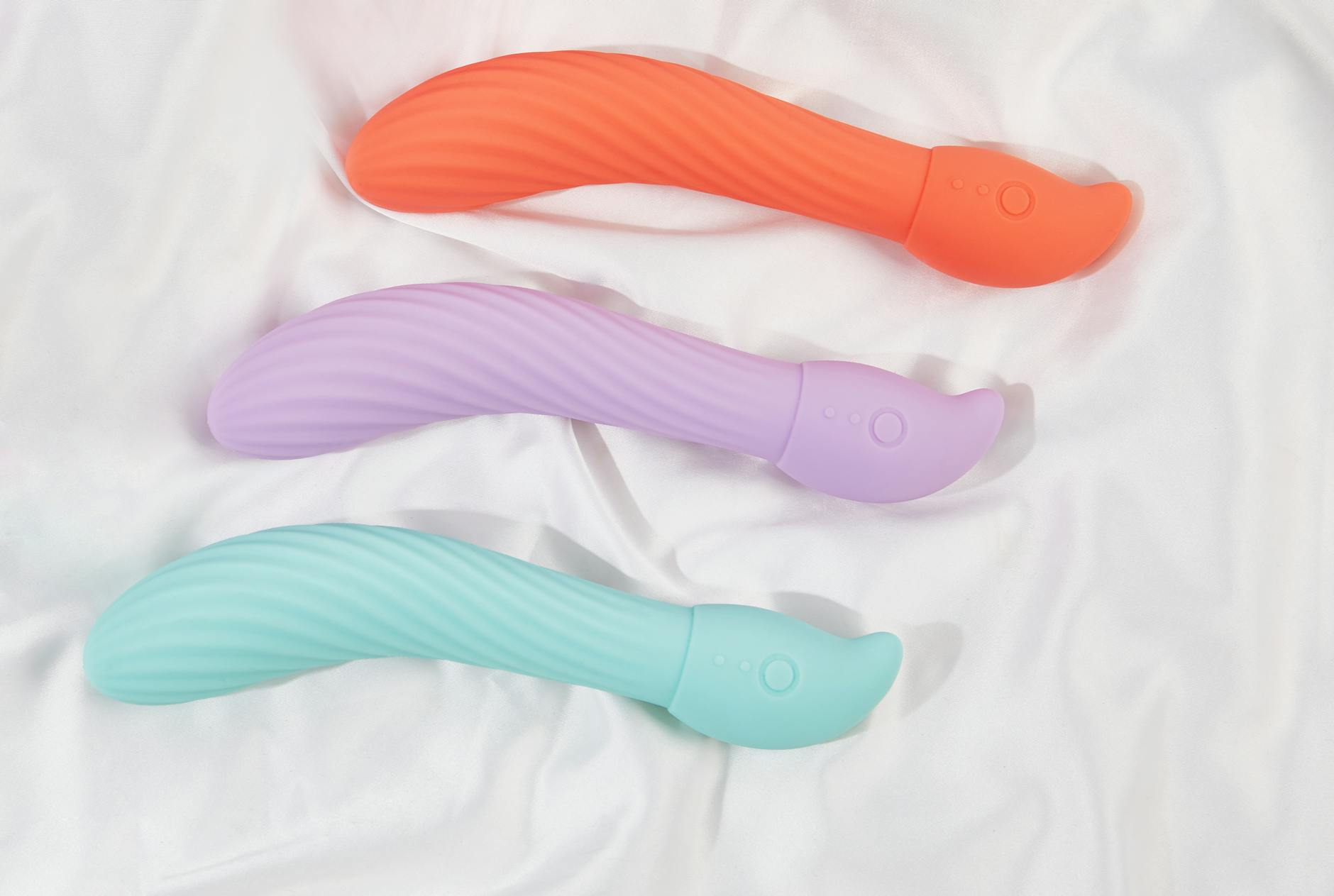
The lemon vibrator design matters here. Unlike traditional wand vibrators, which deliver high-frequency, broad vibration across a large surface, a lemon sucker uses gentle suction and pulsing. This approach has real advantages for people with chronic pain.
First, the suction mechanism doesn't rely on direct friction. For people with endometriosis, pelvic floor dysfunction, or nerve sensitivity, friction can aggravate pain. Suction stimulates nerves differently, often with less triggering sensation.
Second, you control the intensity at the source. A lemon clitoral vibrator like the Lem has distinct intensity levels. You're not choosing between "off" and "intense". You can start at pattern one and stay there the entire session if that's what your body needs.
Third, the handle design is gentler on joints. If you have arthritis, hypermobility, or hand pain, holding a traditional vibrator for extended periods can be rough on wrists and fingers. A shorter, ergonomic handle reduces strain.
Building a chronic-pain-friendly pleasure routine
Here's what I recommend to clients with chronic conditions:
Start stupidly low on intensity
If you haven't used a toy before, begin on pattern one, the lowest setting. Stay there for at least three sessions before even thinking about moving up. Your nervous system needs to learn that this sensation is safe. That learning takes time.
If you're already a toy user but new to a lemon vibrator, drop two levels from where you'd normally start with another device. Give yourself permission to not "use" it at full potential. The goal isn't maximum stimulation. It's maximum pleasure without flares.
Time it strategically around your pain cycle
Most chronic pain conditions follow patterns. You might have better days mid-cycle, or mornings might be less painful than evenings. That's the time to explore pleasure. Don't use it on your worst pain days while hoping to push through. That teaches your nervous system to pair pleasure with pain, which is backwards.
Many of my clients find that using a lemon vibrator on a "medium" pain day, when they're not at baseline but not in crisis, actually helps. Movement and gentle stimulation can interrupt pain signaling if you're not already overwhelmed.
Limit session length intentionally
Ten to fifteen minutes might be your actual maximum. That's not a limitation. That's honest. Some people with severe ME/CFS or fibromyalgia might max out at five minutes. That's also fully sufficient for pleasure and orgasm. Quality over duration, always.
If you know you only have ten minutes of energy or pain-tolerance, use the first five for warm-up and the last five for orgasm-building. Or skip the warm-up entirely and go straight to what works. Your pleasure timeline doesn't have to match anyone else's.
Watch for delayed flares
Some people with chronic pain experience symptom flares six to twelve hours after sexual activity, even when the activity itself felt fine. That's real, and it's worth tracking. Keep a simple log: date, activity level, what you used, how long, and any symptoms the next day.
After a few entries, you'll see your personal pattern. You might learn that twenty minutes triggers a flare but ten doesn't. Or that using the toy at night (rather than morning) avoids the delayed response. That data is gold.
The nervous system piece that doctors don't always mention
Chronic pain often comes with anxiety, depression, or both. Your brain and nervous system are working overtime. That's not a character flaw. It's a neurological fact.
When you're trying to experience pleasure while your nervous system is vigilant and braced for pain, you're working against your own neurobiology. That's why relaxation before pleasure matters even more for you than it does for people without chronic conditions.
Fifteen minutes of deep breathing, a warm bath, or gentle stretching before touching the toy actually changes your nervous system's state. You're downregulating your threat-detection system so pleasure can actually land. That's not a warm-up. It's neurological preparation.
Grounding techniques that help
If you feel your nervous system getting activated during pleasure (anxiety creeping in, pain sensations amplifying), pause. Use one of these grounding moves:
- The 5-4-3-2-1 method: name five things you see, four you can touch, three you hear, two you smell, one you taste. It interrupts the pain-anxiety feedback loop.
- Press your feet hard into the ground or your body into the bed. Heavy pressure activates a different nervous system pathway than light touch.
- Switch your focus. Instead of pursuing orgasm, notice the exact sensation without judgment. Are you using pattern one or two? Is the sensation on the left or right side? This analytical focus actually calms the nervous system.
When to talk to your doctor (and what to say)
If you're managing chronic pain, you should absolutely talk to your healthcare provider before increasing sexual activity, using toys, or exploring new sensations. Here's what I'd say:
"I want to explore pleasure as part of my self-care routine. Are there any reasons my condition would make toys unsafe? And are there times of day or patterns that might work better with my symptoms?"
A good provider will either give you green light with modifications or explain specifically what to avoid. If they shame you or give vague answers, that's on them, not you. You deserve care that acknowledges sex and pleasure as legitimate parts of health.
The permission you actually need
Honestly, the biggest barrier for people with chronic pain isn't the tool. It's permission. Permission to prioritize your own pleasure even when your body is complicated. Permission to take ten minutes instead of thirty. Permission to use pattern one forever if that's what feels good.
Your chronic pain is not punishment. Your nervous system isn't broken. It's just different, and different requires different strategies. A lemon clitoral vibrator designed for nuance and control is built for exactly this kind of body.
People also ask
Can I use a lemon vibrator if I have fibromyalgia?
Yes. Many people with fibromyalgia use clitoral vibrators successfully when they stay at low intensity and watch for delayed flares. The gentle suction mechanism of a lemon vibrator is often better tolerated than traditional wand vibrators because it doesn't rely on friction. Start on the lowest setting, limit sessions to 10-15 minutes, and track how you feel the next day. If you don't experience increased pain or fatigue flares, you've found something that works.
What if vibration itself triggers my pain?
If even gentle vibration amplifies your pain, you might benefit from non-vibratory options like manual stimulation or a toy designed specifically for pressure rather than vibration. But before you rule vibration out entirely, try a lemon vibrator at the absolute lowest setting for just one minute. Sometimes the rhythm and pattern feel different from what you've experienced before. If it's still not your thing, that's valid. Pleasure shouldn't trigger pain.
How do I know if my body is having a flare versus normal post-pleasure soreness?
Normal sensitivity after pleasure usually resolves within a few hours. A flare typically lasts 24 hours or longer and feels like an intensification of your baseline pain symptoms. You might also experience fatigue, brain fog, or other symptoms that are typical of your condition. If you're unsure, write it down. Three or four cycles will show you the difference between your personal normal and an actual flare.
Can lemon vibrators help with endometriosis pain?
For some people, yes. Because endometriosis causes tissue inflammation, direct pressure or friction can aggravate it. A lemon sucker's gentler suction-based stimulation can feel different and better tolerated. However, everyone's endometriosis is different. Some people find any vibration irritating during flares. Use the lowest setting, keep sessions short, and stop immediately if pain increases. If you're curious, try it on a day when your baseline pain is mild.
Is it normal to have anxiety about pleasure when I live with chronic pain?
Completely normal. Chronic pain teaches your nervous system to be vigilant and protective. Adding a new sensation can feel risky. That anxiety is your system trying to keep you safe, even when the risk isn't real. Grounding techniques, slow starts with low intensity, and giving yourself multiple sessions to acclimate can help your nervous system learn that this is actually safe. If the anxiety doesn't settle after a few attempts, that's worth exploring with a therapist who understands chronic pain.
Should I avoid pleasure during high-pain days?
Yes. Save exploration for medium or baseline pain days when your nervous system has more resilience. Using a toy while you're in crisis often teaches your nervous system to link pleasure with pain, which backfires. On high-pain days, rest is the answer, not stimulation.
Your body knows what it needs
Chronic pain changes your timeline, your capacity, and how your nervous system processes sensation. That's not something to fight through. It's something to work with. A lemon vibrator that gives you control over intensity means you get to decide what pleasure looks like for your specific body. That's not settling. That's smart self-care. If you have questions about how to navigate pleasure with your specific condition, reach out to us. We're here to help.