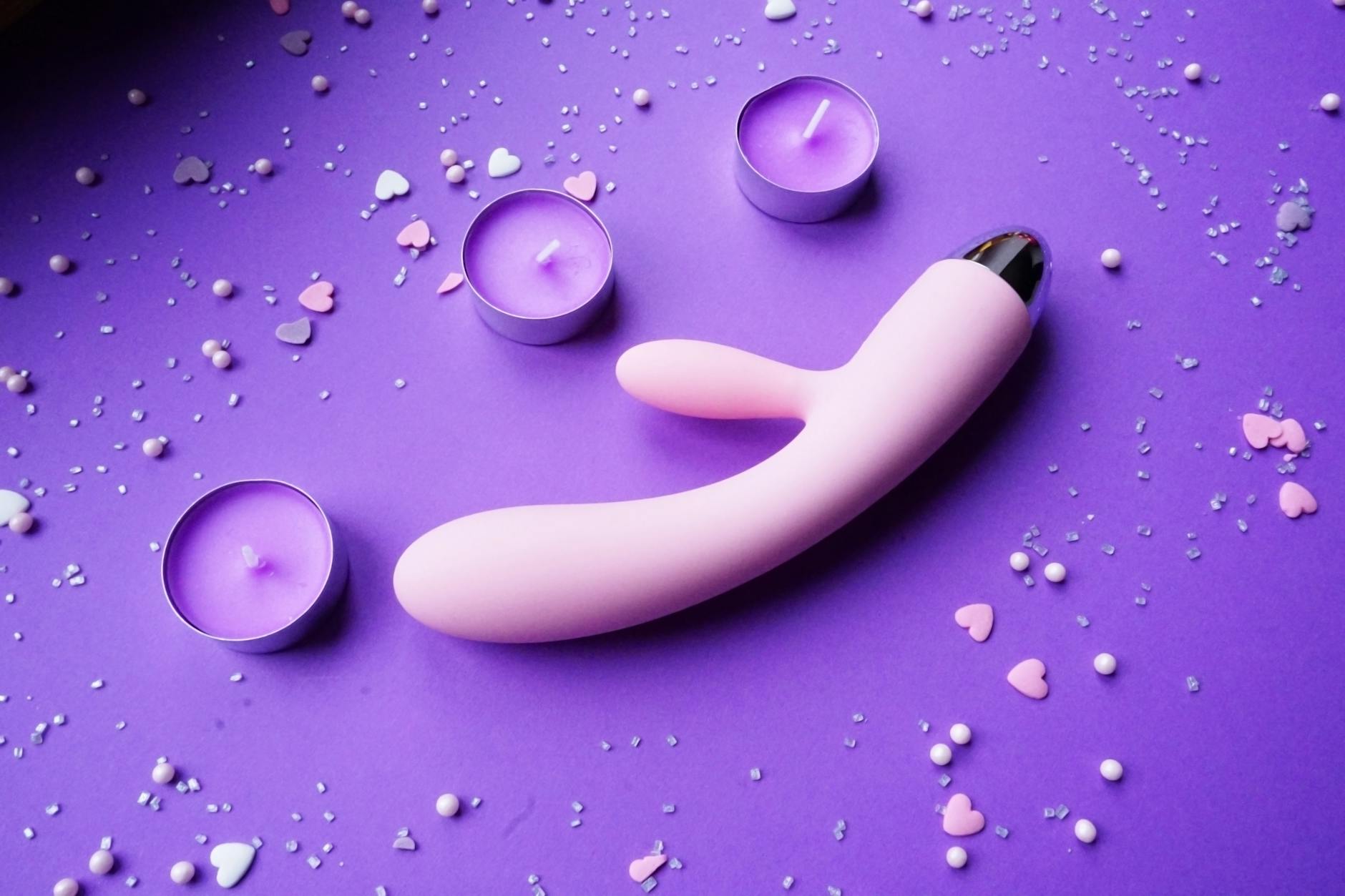
The thing nobody tells you about medication changes
You go off the medication, or switch to a new one, and you're waiting for your body to snap back like a rubber band. That's not what happens. Instead, sensation returns in patches. Some days you feel everything. Other days you feel almost nothing. And the worst part? You can't predict which version of your body you're going to get.
This isn't a sign that something's wrong with you. It's actually the most common experience people report after changing antidepressants, birth control, or hormone therapy. Your nervous system is recalibrating. That takes time, and it rarely happens in a straight line.
Why sensation returns unevenly
When you're on medication that dampens sensation, your nervous system adapts. It shifts its baseline. When the medication changes or stops, your body doesn't instantly remember how to feel. Instead, different neural pathways reactivate at different speeds. Some receptors wake up quickly. Others take weeks or months.
Add to that the psychological layer. After months or years of numbness, your brain develops protective patterns. It assumes sensation won't return, so it stops initiating arousal the way it used to. You have to actively teach it again that feeling is safe now.
The inconsistency is the feature, not a bug. It means your system is restarting itself unevenly, which is actually more common than a smooth, linear return to baseline sensation.
How a lemon clitoral vibrator fits into this recovery
Here's where a tool like the Lem becomes genuinely useful. Unlike finger stimulation or a partner, which can feel unpredictable when your sensation is patchy, a lemon vibrator gives you control and consistency.
The suction-based design of a good lemon clitoral vibrator works differently than traditional vibrators. Instead of direct friction, it creates gentle pressure changes that awaken nerve endings without overwhelming them. When sensation is uneven, that gentleness is everything.
A lemon sucker pattern at low intensity can feel exactly the same every time you use it. That predictability helps your nervous system relax. You're not wondering if today's stimulation will be too much or too little. You're setting the terms.
Starting with the right settings
If you're just coming off a medication that suppressed sensation, don't start at pattern 3 on your lemon vibrator. Start at pattern 1 or 2. Spend 2-3 weeks just exploring at that intensity. Your goal right now isn't orgasm. It's sensation mapping.
Notice what you feel. Notice where you feel it. Notice if it changes day to day. This is data, and you need it.
Many people skip this step because they're anxious about whether sensation will come back "normally." That anxiety actually delays the process. The nervous system interprets rushing as pressure, and pressure triggers the same protective numbness you're trying to wake up from.
Give yourself permission to spend weeks on low intensity. Your body is literally rewiring itself. That takes patience.
The pattern consistency matters more than you think
Once you find a pattern and intensity that feels right on a good day, stick with it for at least a week. Consistency helps your nervous system predict what's coming, which reduces anxiety and deepens sensation.
Yes, some days it might feel like nothing. That's information too. It tells you that your recovery isn't stable yet. On those days, you have two options. Use the vibrator anyway at low intensity and just notice what happens, or step back and do something else entirely. Both are valid.
The people who make the fastest progress are the ones who don't turn a numb day into a problem. They just note it and move forward.
When sensation varies during a single session
This is weirdly common and almost nobody talks about it. You start using your lemon vibrator and the first few minutes feel amazing. Then your clit goes numb. Or you feel too much sensation and have to stop. Or the numbness alternates with sensitivity every few minutes.
This is your nervous system literally switching between modes. It's overwhelmed and stepping back to protect itself.
When this happens, pause. Don't push through. Give yourself 5-10 minutes of complete rest from the vibrator. Breathe. Notice what you're thinking about. Often there's a small spike of anxiety or shame in there driving the numbness.
After a break, try again at a lower intensity or a different pattern. If sensation stays inconsistent, stop for the day. You've given your nervous system useful information. That's success.
The emotional layer is just as real
Nobody changes medication without some mental baggage. You've been numb. You were used to that numbness, even if you hated it. Your nervous system is afraid of feeling again because feeling means you're vulnerable to pain, disappointment, and physical sensation you might not be able to control.
This is where a lemon adult toy can feel safer than partnered sex or even solo exploration without a tool. You maintain complete control. You set the intensity, the pattern, the duration. There's no expectation of performance or reciprocation. It's just you and your own relearning.
Many people I've worked with find that using a lemon clitoral vibrator in this phase actually rebuilds sexual confidence faster than anything else. Because you're not waiting for sensation to return "naturally." You're actively reestablishing your relationship with your own body.
Building back to consistent pleasure
After 4-6 weeks of consistent, low-intensity exploration with your lemon vibrator, you'll likely notice sensation stabilizing. It might not be exactly what it was before the medication change. It might be different. That's completely normal.
Once you're consistently feeling something at a low pattern, you can slowly increase intensity. Not all at once. Increase by one pattern level every week or two. Notice what changes. Notice what feels better.
This gradual escalation mirrors how your nervous system actually recovers. It's not dramatic. It's methodical. And it works.
If you're in a relationship, this is a good time to invite your partner into the conversation without immediately jumping to partnered sex. Tell them what you're noticing about your own sensation. Tell them what helps. Let them understand that recovery isn't linear, which makes it easier to navigate together later.
When to bring a partner back in
You don't have to wait for sensation to fully return before having sex with a partner. But you do need to communicate about the unevenness.
Your partner needs to know that some days you'll feel everything and some days you'll feel almost nothing. They need to know that changes during sex aren't rejection of them. They're your nervous system doing its thing.
One useful framework is giving yourself a signal. Maybe you use "more" or "less" or even just a thumbs up or down to communicate in the moment. This takes the performance pressure off and lets your partner respond to your actual experience, not their assumption about it.
Many couples find that this kind of specific communication during this recovery phase actually deepens intimacy. You're not hiding the inconsistency. You're working through it together.
FAQ
How long does it typically take for sensation to stabilize after stopping an antidepressant?
Every body is different, but most people see significant shifts within 4-8 weeks. Full stabilization can take 3-6 months. If sensation hasn't improved at all after 3 months, check with your prescriber. Sometimes a different medication or dosage adjustment helps.
Is it normal for sensation to return in my clitoris but not my vulva more broadly?
Completely normal. Different nerve endings have different recovery timelines. Your clitoris might feel normal while your vulva is still somewhat numb. This usually evens out over time, but the asymmetry in the middle is nothing to worry about.
Can I use a lemon vibrator if sensation hasn't returned at all yet?
Yes, but differently. Start at the absolute lowest setting and think of it as exploration rather than pleasure-seeking. You're helping your nervous system remember what sensation feels like, even subtle sensation. This can actually speed up recovery.
What if using my lemon clitoral vibrator triggers anxiety?
Stop immediately. You might be pushing faster than your nervous system is ready for. This often means the intensity is too high or you're using it too frequently. Back off to once or twice a week at the lowest setting, or take a week off entirely and try again. There's no timeline here except your own comfort.
Should I tell my doctor about uneven sensation after medication changes?
Yes, especially if it hasn't improved after a few months or if it's getting worse. Uneven sensation can sometimes indicate that your medication dose needs adjustment or that a different medication would suit your body better. Your prescriber has important information here.
Is it possible sensation never fully returns?
It's possible, though uncommon. Some medications do create lasting changes in sensation even after you stop taking them. This doesn't mean you can't enjoy pleasure or have satisfying sex. It means your baseline is different now. A lemon sexual toy can be part of working within your new normal.
The timeline is yours to set
What you're doing right now is one of the hardest, quietest kinds of work. You're rewiring your nervous system. You're rebuilding your relationship with your own body. You're doing it without a lot of external validation.
Using a lemon vibrator in this phase isn't weakness or inability to feel without a tool. It's you choosing to actively participate in your own recovery instead of waiting passively for sensation to return. That's powerful.
Give yourself permission to move slowly. Celebrate small returns of sensation. On the numb days, remember that your body is still working even when it doesn't feel like it.
If you want to talk through what you're experiencing in more detail, or if you need support figuring out how to navigate this with a partner, reach out to us at Hello Nancy. Recovery doesn't have to be a solo project.