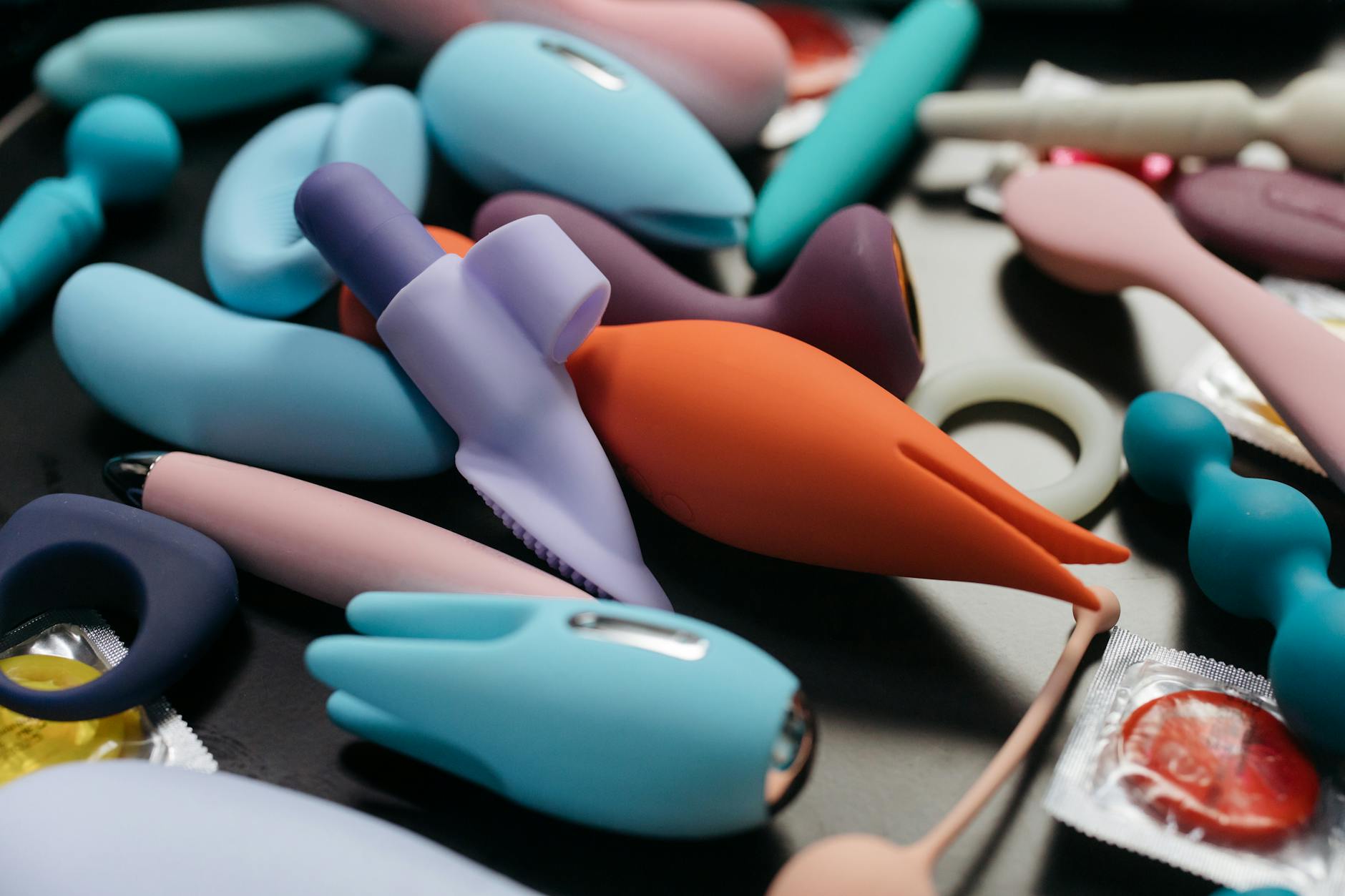
Let's talk about pelvic floor injury recovery and pleasure
Pelvic floor injuries happen more often than anyone tells you. Childbirth tears, surgical intervention, overuse from intense exercise, chronic tension, or straightforward trauma. When it happens to you, the instinct is to shut everything down. No sex, no toys, no stimulation, period. Wait until the physical therapist clears you. Then maybe, months later, slowly try again.
But here's what I've learned working with dozens of couples through pelvic floor recovery: pleasure doesn't have to pause entirely. It just needs to be smarter. A lemon vibrator, used correctly, can actually support healing by keeping nerves engaged, reducing anxiety, and helping you reconnect with sensation without triggering re-injury.
This isn't medical advice. This is what works in practice, and how to approach it.
What pelvic floor injury actually means for pleasure
The pelvic floor is a sling of muscle from your tailbone to your pubic bone that supports your pelvic organs, controls continence, and plays a huge role in orgasm. When it's injured, three things typically happen: pain during or after stimulation, loss of sensation, or involuntary tension (the muscles gripping rather than relaxing).
The nervous system gets scared. Your brain learns "this area is dangerous." That fear response is real, even if you're technically healed. Breaking that learned pain pattern takes time.
What doesn't have to be lost: your capacity for pleasure, your desire, or your right to explore sensation at your own pace. The clitoral nerve (the pudendal nerve) can still fire. It just needs a gentler approach.
Why a lemon vibrator works differently than other toys
Traditional vibrators buzz. They work through rapid, consistent vibration that stimulates through repeated contact. For a healing pelvic floor, that can feel percussive and triggering. The clitoral tissue is inflamed or sensitive. Direct buzz feels too intense.
Lemon clitoral vibrators work through suction and gentle pulsing instead. The Lem, for example, uses air-pulse technology that creates a seal and releases rhythmically. No grinding, no direct friction, no sustained pressure in one spot. The sensation is diffuse and indirect. For recovering tissue, this is a game-changer.
The other advantage: you control the intensity in a way you can't with traditional vibrators. You're not turning a dial from 1 to 10. You're building pressure gradually, and you can release it instantly if anything hurts.
Timing: when to start (and what "start" means)
If you're cleared by your physical therapist for penetration, that doesn't automatically mean you're ready for any kind of stimulation. Those are two different things. Penetration can happen with minimal sensation. Orgasm involves the whole pelvic floor contracting, which is different work.
Honestly, I recommend waiting until you've done at least 4 to 6 weeks of PT, you're pain-free during penetration, and you feel zero urge to "get back to normal." The second you feel like you're racing the clock, stop. That anxiety itself will make your pelvic floor tense.
When you do start, your first session with a lemon vibrator should involve zero expectation of orgasm. Sit down, use a water-based lubricant, turn the Lem on at the lowest setting, and notice what you feel. Can you feel the sensation at all? Does it feel good, neutral, or painful? Spend 5 to 10 minutes, then stop. That's it. That's success.
Step-by-step: how to use a lemon vibrator safely during recovery
Here's the protocol I recommend:
Before you start. Do a quick pelvic floor body scan. Tighten your pelvic floor muscles as hard as you can for 3 seconds, then release completely and feel the difference. If you can't fully release, or if releasing feels painful, skip today. Your nervous system isn't ready.
Set your space. You want zero performance pressure. Phone on silent. Privacy guaranteed. Time when you're not rushed or tired. A lot of injury recovery is about teaching your nervous system that this area is safe again. That can't happen if you're stressed.
Start with lubricant. Water-based, applied generously to your vulva and to the Lem's contact surface. Healing tissue is usually drier. Lube reduces friction and makes sensation feel less alarming.
Begin at the lowest intensity. If your lemon vibrator has multiple settings, start at 1. Hover the Lem near your clitoral area without full contact. Let sensation build. Notice what feels good versus what feels triggering. Good is warm, spreading, pleasurable. Triggering is sharp, localized, or produces that involuntary pelvic floor clench.
Work in 5 to 10 minute sessions. You're not training for an orgasm. You're training your nervous system that this sensation is safe. Shorter is better than longer. Stop while you still want more.
Never push through pain. If something hurts, stop immediately. Pain is information. Your body is telling you something is wrong. Listen.
What to expect as you progress
Week one: sensation might feel muted, weird, or unfamiliar. Your nerves are waking up after dormancy. This is normal. Expect to feel more mental relief than physical pleasure.
Week two to three: you might start noticing sensation spreading. The clitoral area might feel more responsive. Some people experience what feels like phantom sensations in areas that were numb. Again, normal.
Week four and beyond: if everything has gone smoothly, you might feel ready to build intensity. Increase by one setting every few sessions. Your pelvic floor should stay relaxed. If it starts gripping, dial back.
Some people never get back to their pre-injury pleasure pattern. Some find they prefer this gentler approach even after full recovery. Both are valid. The goal isn't to "return to normal." It's to find pleasure that works for your body right now.
Communication if you have a partner
This is the part that makes or breaks recovery. If your partner doesn't understand that this is a nervous system healing process, not a performance issue, tension builds. They might feel rejected. You might feel pressured. Suddenly the pelvic floor is tense again, and nothing works.
Tell them: "I'm using this time to rebuild sensation and trust with my body. It's not about you. It's not about whether I'm attracted to you. It's about me relearning that pleasure is safe." You might use the Lem alone. You might invite your partner to watch and learn your new landscape. You might use it together eventually. Whatever feels right.
If your partner is uncomfortable with toys, reference your physical therapist's recommendation. Make it clinical, if that helps. "My PT suggested this gentle approach to rebuild nerve engagement." Most partners soften when they understand it's medical, not a preference.
When to talk to a professional
If pain persists beyond 8 weeks, if sensation doesn't return gradually, or if the thought of any stimulation produces severe anxiety, see a pelvic floor physical therapist again. Some injuries benefit from additional treatment. Some require longer recovery than others. There's no shame in needing more support.
Sex therapists who specialize in pain also exist. If you're dealing with post-trauma anxiety around this area, therapy can genuinely change the trajectory of recovery.
The bottom line
Pelvic floor injury is a detour, not a dead end. Pleasure can be part of your recovery, not just an afterthought once you're "fixed." A gentle tool like a lemon vibrator gives you control, sensation without pressure, and a way to rebuild trust with your body on your timeline. Start slow. Stay patient. Listen to what feels good. That's the whole protocol.
FAQ: Common questions about pelvic floor injury recovery and lemon vibrators
How long after a pelvic floor injury can I use any kind of vibrator?
The general guideline is 4 to 6 weeks post-injury with clearance from your physical therapist for penetration, but please verify with your PT first. Every injury is different. A second-degree tear heals differently than muscle strain from overuse. Don't use your friend's timeline as your own. Your PT is the gatekeeper here.
Will using a lemon vibrator during recovery make my pelvic floor more tense?
Not if you use it correctly. The whole point of a gentle approach is that it doesn't trigger the fear response that causes involuntary tension. If you notice your pelvic floor gripping during use, dial back the intensity immediately. You're looking for relaxation, not stimulation. If relaxation won't happen, take a break.
Can I use my lemon vibrator if I still have some pain during regular activity?
No. Pain is a stop sign. If daily activities hurt, vibration will too. Wait until you're pain-free during those activities first. Pain doesn't mean you're broken permanently, it just means your timeline needs more time. Pushing through pain usually adds weeks to recovery, not days.
Is it normal to feel less sensation or no sensation when I first start using a lemon vibrator again?
Completely normal. After injury, nerve sensitivity is diminished. Sensation comes back gradually as your nervous system realizes the area is safe. This can take weeks. The fact that you feel nothing doesn't mean the nerves are permanently damaged. It means they're dormant, not dead.
Should I use my lemon vibrator alone or with a partner?
Start alone. That removes performance pressure and lets you focus entirely on what your body feels. Once you're comfortable and sensation is returning, involving a partner can feel emotionally connecting. But solo exploration first gives you data about what works for you.
What if orgasm never returns to how it felt before the injury?
Orgasm often changes after pelvic floor injury. It might feel less intense, more localized, or arrive differently. That doesn't mean it's bad. Many people find they prefer their post-injury orgasm pattern. It's smaller, but it's theirs. Work with a pelvic floor PT who specializes in orgasm if this concerns you, but know that different doesn't mean broken.