
When touch becomes a stranger
You've been sleeping in the same bed for years and barely touching. Or you're in a marriage where affection stopped somewhere around kid number two and never restarted. Physical distance becomes emotional distance, and emotional distance makes physical reconnection feel impossible. After months or years of this, your body doesn't know how to receive touch anymore. Your nervous system has learned that closeness leads to disappointment, so it shuts down.
That's not dysfunction. That's survival.
Rebuildng physical intimacy after long-term emotional disconnect doesn't start with your partner's touch. It starts with yours. And a clitoral vibrator, specifically a design like the lemon vibrator, can be the exact tool that teaches your body it's safe to feel again.
Why reconnection feels so hard
When emotional intimacy dies, touch becomes loaded. Every kiss carries the weight of unresolved anger. Every attempt at sex feels obligatory or conditional. Your body registers this and tightens. You lose sensation partly because you're protecting yourself partly because you've stopped expecting pleasure to be part of your life with this person.
Adding a partner's touch into that equation right away often backfires. It feels too vulnerable too fast.
Here's what works instead: spend 4-8 weeks rebuilding your relationship with your own pleasure first. Not to avoid your partner, but to reset your nervous system in a space where you control everything. A lemon vibrator is ideal for this because of how it works. Unlike vibration alone, the suction pattern on a clitoral vibrator mimics the rhythm of arousal without requiring the mental bandwidth of performance. Your body can simply respond.
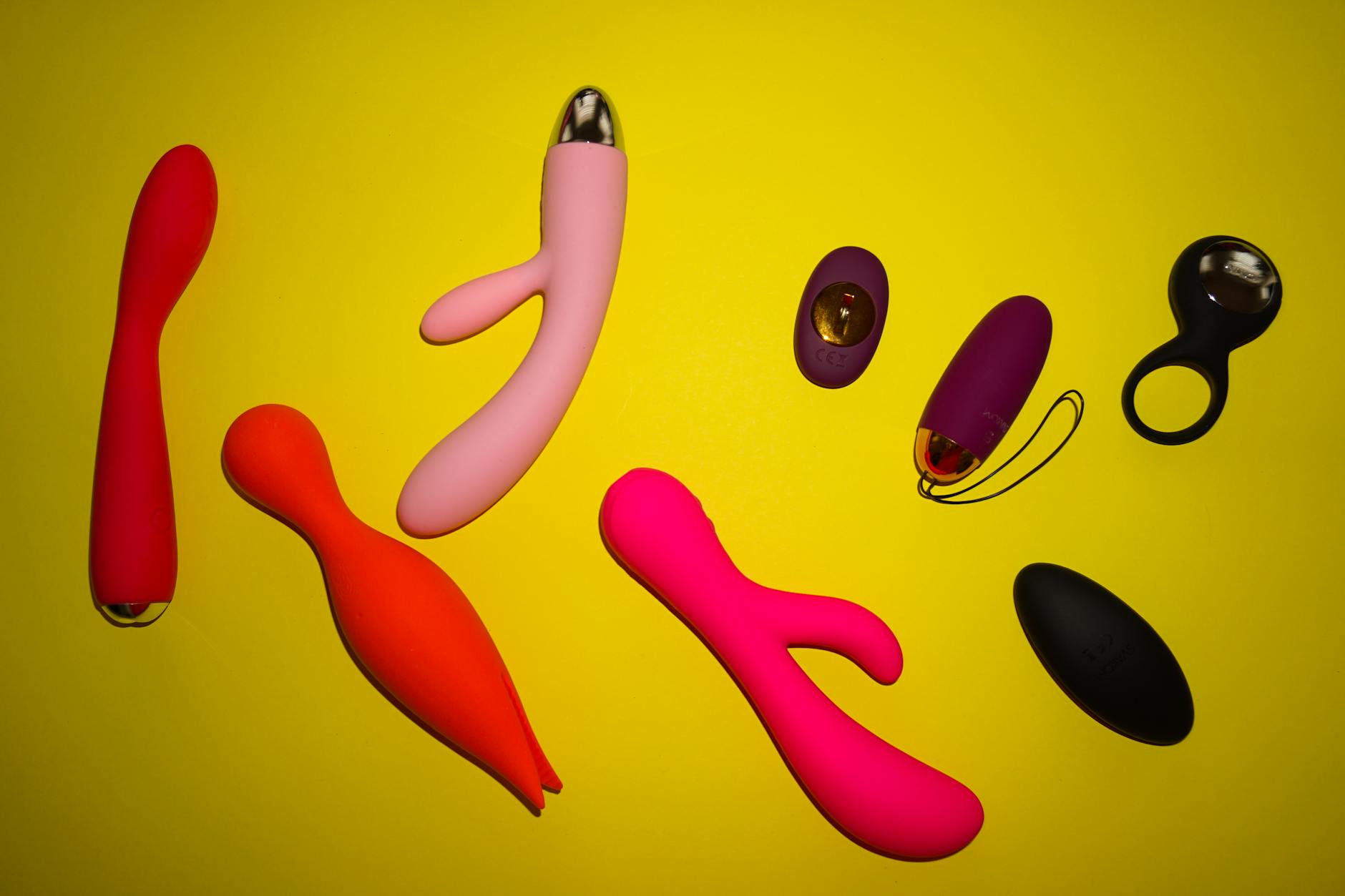
Photo by FounderTips on Pexels
The nervous system reset
This is the part people don't understand: pleasure is a nervous system state, not a feeling. When your body has been in a protective state for years, arousal feels foreign. You might feel numb. You might feel guilty for wanting pleasure separate from your partner. You might feel disconnected from your own body entirely.
Using a lemon clitoral vibrator solo is how you teach your nervous system that pleasure is safe and yours. The pattern of suction creates a predictable, non-threatening sensation. Your body learns: this pattern is safe. This leads to relief. This is mine to control.
That's the reset. After weeks of this, when your partner touches you, your nervous system is no longer in lockdown. The pathways for arousal have been reactivated. Your body remembers that pleasure is possible.
Why a lemon vibrator specifically
There are a lot of clitoral vibrators out there. Here's why a lemon vibrator works particularly well when reconnecting after long-term distance.
The suction design reduces performance anxiety. You're not chasing a specific orgasm pattern. The rhythm does the work. This is critical when your nervous system has been suppressed because it lowers the mental load.
The rounded head distributes sensation broadly across the clitoris rather than concentrating intense vibration on one point. After months of numbness, this diffused pressure feels less shocking. It's almost gentle, even on high.
Most importantly, the lemon vibrator has a learning curve that's actually helpful. You have to experiment with positioning and pressure to find what works. That experimentation is the nervous system reset. You're learning your own body again.
The timeline: how to rebuild without your partner
Weeks 1-2: Solo exploration, no pressure. Use the lowest setting. Spend 20-30 minutes just becoming familiar with the sensation. You're not chasing an orgasm. You're noticing what feels neutral, what feels pleasant, what feels too much. Keep a small journal. One sentence per session. "Pressure on the left side felt warm." "The rhythm on setting two made me relax." This sounds basic, but it's recalibrating your nervous system to notice sensation at all.
Weeks 3-4: Same solo time, but now you're looking for what makes your body respond. Maybe it's a specific pattern. Maybe it's thinking about a particular fantasy. Maybe it's focusing on your breath. You're building a map of your own arousal. This map will later help your partner understand what you actually need.
Weeks 5-8: Solo sessions are still primary, but you're now spending time with your partner in non-sexual touch. Hand-holding. Sitting close. Short massages with no expectation of sex. This rebuilds the trust that touch doesn't always escalate. Your nervous system learns: closeness is safe. Touch is not a demand.
When to bring your partner into the picture
After 4-6 weeks of solo practice, your nervous system has shifted. You have sensation again. You know what feels good. You've spent weeks in a state of self-directed pleasure without anyone else's expectations in the room.
Now your partner can be present. This doesn't mean they should use the lemon vibrator on you immediately. Instead, you use it together. They're in the room. Maybe they're touching you somewhere else. Maybe they're just watching. The point is, you're learning that pleasure can coexist with their presence without it being about them.
Many couples find that using a clitoral vibrator together actually opens the conversation you've been avoiding. You're both looking at the same object, focused on the same goal: your pleasure. It removes some of the defensiveness that surrounds sex after disconnect.
Rebuilding conversation alongside pleasure
Here's what I tell every couple trying to reconnect after years of distance: you cannot reconnect physically without first understanding what broke emotionally. A lemon vibrator can reset your nervous system, but it can't fix resentment or unresolved hurt.
While you're rebuilding pleasure solo, also have the harder conversation. Not during sex. Not when you're trying to be intimate. Separate. Honest. With support if you need it. A therapist is not a failure. It's the tool that stops you from repeating the same patterns.
The lemon vibrator is rebuilding your relationship with sensation. Therapy or honest conversation is rebuilding your relationship with trust.
Common friction points and how to handle them
Your partner feels excluded by solo use. Name this directly. "I'm not using this instead of us. I'm doing this so I can show up as myself when we're together." This is true. A partner who can't support you building your own pleasure is showing you something important about whether this reconnection is sustainable.
You feel weird about pleasure after years without it. This is normal. Shame often travels with numbness. Spend time alone with your own pleasure before adding anyone else's expectations. There's no timeline where you "should" feel comfortable yet.
Your partner wants to use the lemon vibrator on you before you're ready. You're allowed to say no. Rebuilding intimacy on your timeline, not theirs, is the point. If they can't respect that boundary, you're back to the core issue: this person doesn't prioritize your needs.
You're not having an orgasm and that feels discouraging. Good. Orgasm is not the goal right now. Sensation is. Reconnection is. You might not orgasm for weeks, and that's exactly right. You're not broken. You're slowly teaching your body to trust feeling again.
What changes after 8-12 weeks
After two or three months of consistent solo practice and gradual partner reintegration, most people describe a shift. Touch doesn't feel like a negotiation anymore. Your body actually wants it. Sex is less loaded. You can ask for what you want because you know what you want. You have proof, from your own experience with a lemon vibrator, that pleasure is real and available.
Some couples find that reconnection actually deepens after this work. You've both chosen to show up. You've both done the harder part, which is the conversation. Pleasure becomes something you can build together, not something you're trying to force back into an already-broken system.
Some couples realize during this process that reconnection isn't actually possible or isn't actually wanted. That's valuable information too. A lemon vibrator can't fix a partnership that's fundamentally broken, and trying to use it to do so is like rearranging furniture on a sinking ship.
The point is to know which situation you're in before you invest more time or heartbreak.
FAQ: Rebuilding intimacy after long-term disconnect
Can using a vibrator alone make my partner feel worse about our disconnection?
Possibly, at first. But avoiding your own pleasure to protect their feelings keeps you stuck in the dynamic that caused the disconnect. A partner who can't support you rebuilding sensation is showing you that their comfort matters more than your needs. That's not a relationship problem that a lemon vibrator can fix. It's a values problem that only honest conversation can address.
How do I talk to my partner about using a clitoral vibrator for reconnection?
Directly. "I've been feeling disconnected from my own body, and I want to rebuild that before we can rebuild us. I'm going to use a vibrator solo for the next month or so." You don't need permission. You're not asking for approval. You're informing them. If they have a problem with it, that's information about whether they're capable of supporting your healing.
Is it weird to use a lemon vibrator if I haven't had an orgasm in years?
No. Many people who've been numb for years don't orgasm during solo practice. The orgasm will come later, usually after a few months of consistent use. Right now, you're rebuilding the nervous system pathways that make orgasm possible. The sensation matters more than the outcome.
Can I use a lemon vibrator if I'm still angry at my partner?
Yes. Actually, using a vibrator solo while you're angry is one of the healthiest things you can do. It keeps pleasure separate from the relationship conflict. It proves to your body that you can feel good independent of whether your partner is treating you well. This is how you rebuild your own sense of self after years of emotional entanglement.
How long before reconnection with my partner actually works?
If both people are committed, 3-6 months of consistent work. If only one person is committed, it won't work no matter what tools you use. A lemon vibrator can reset your nervous system, but it can't make someone care about reconnecting if they don't. Get clarity on whether you're both actually trying.
What if I don't orgasm with my partner even after solo practice?
This is common and usually solvable. You might orgasm alone but not with a partner present because the nervous system shift is still partial. You might need your partner to change how they approach sex. Or you might discover during this process that you don't actually want sex with this person anymore, and that's clarifying. All of these outcomes are valuable.
The long view
Rebuildng physical intimacy after years of disconnect is slow and sometimes painful. It requires you to sit with your own numbness, face whether your partner is willing to meet you, and make peace with the fact that some relationships can't come back from distance because the people involved don't actually want to.
A lemon vibrator won't solve a broken marriage. What it can do is give you back your nervous system. It can prove to your body that you deserve pleasure. It can buy you the clarity to know whether reconnection is actually possible with this person or whether you're fighting for something that's already gone.
That clarity is the real gift. The rest follows from there.