
When pleasure doesn't come back all at once
Let's be real. Trauma doesn't erase pleasure. But it does scramble the wiring. Your brain becomes hypervigilant. Your body second-guesses itself. Some days you feel desire. Other days, the same touch that felt good yesterday now triggers a freeze response. That's not weakness. That's your nervous system doing exactly what it's supposed to do after danger—it's protecting you.
The tricky part is that healing isn't a straight line. It loops back. It stalls. It moves forward three days, then backward two. And if you're trying to reclaim pleasure during that process, you're essentially asking your body to trust something it learned not to. That takes time. It takes strategy. It takes tools that give you control.
A lemon clitoral vibrator—or any suction-based clitoral stimulator—can be part of that toolkit. But only if you use it in a way that honors where your nervous system actually is, not where you wish it was.
Why clitoral vibrators work differently for trauma survivors
Here's what I've seen in my practice: traditional vibrators can feel invasive. They require surrendering to a sensation that builds outside your control. For someone whose trauma involved a loss of bodily autonomy, that's retraumatizing. You don't want to feel ambushed by pleasure.
Lemon vibrators—and clitoral suckers like the Lem—work differently. The suction sensation is consistent, predictable, and you control the intensity from the first moment. There's no surprise buildup. No invasiveness. Just steady pressure that you can adjust downward if your nervous system needs you to.
That predictability is huge for healing. Your brain needs to learn again that pleasure can happen in a context where you have power. Where you can pause. Where nothing will escalate without your say-so.
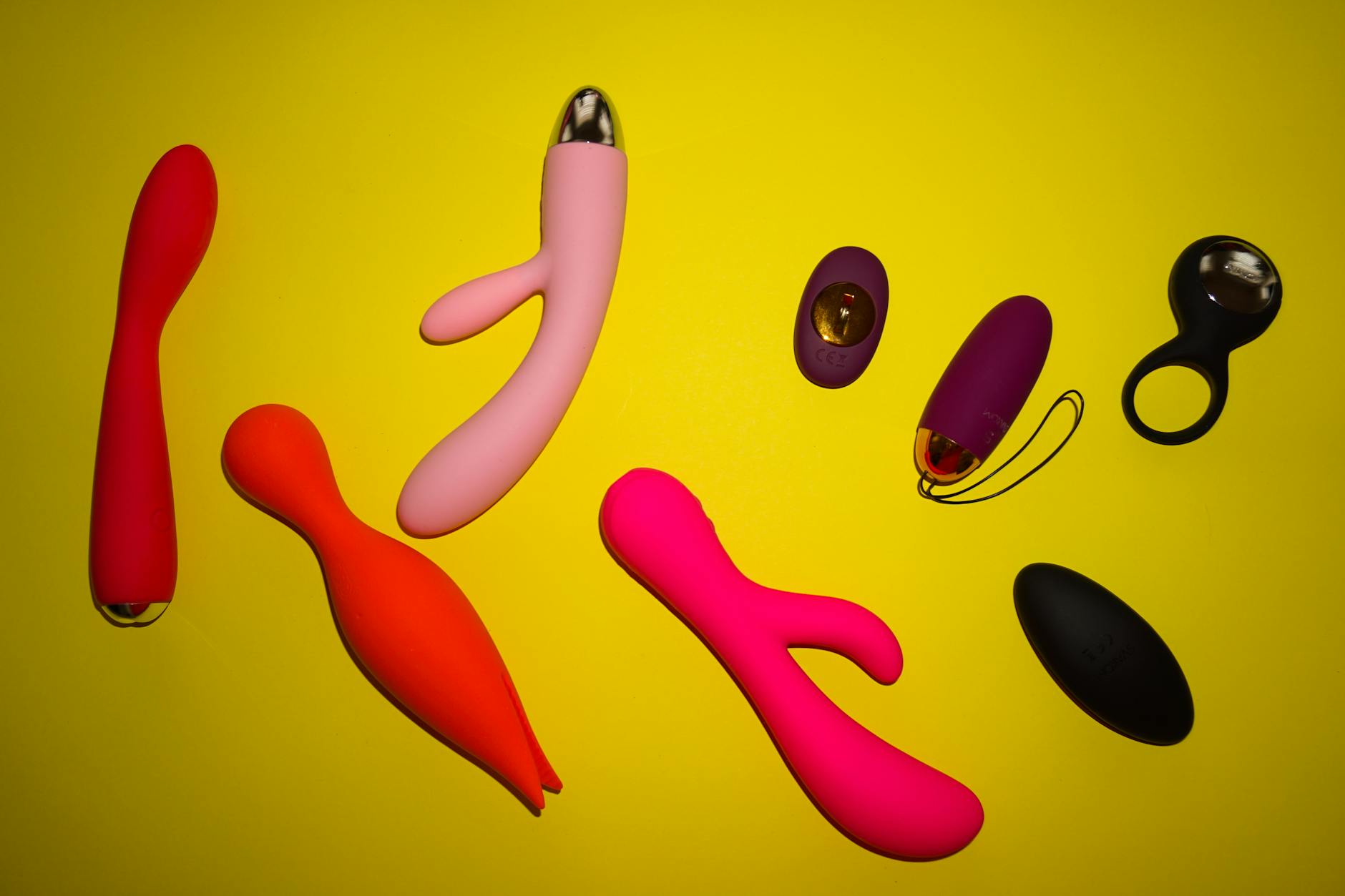
Photo by FounderTips on Pexels
Setting up the nervous system for success
Before you even pick up a lemon vibrator, your nervous system needs to feel safe. That means three non-negotiable things:
First: Choose your space deliberately. Not the bedroom if the bedroom is where the trauma happened. Not alone if being alone triggers your hypervigilance. Your nervous system needs to know it's not in danger before pleasure can show up. That might mean using a lemon clitoral vibrator in a different room entirely, or with a trusted partner nearby (not watching, just present). Your call.
Second: Set a time boundary. Healing isn't about pushing for long sessions. It's about consistency. Ten minutes once or twice a week is infinitely better than a desperate weekend attempt. Your brain learns trust through repetition in safety, not through intensity.
Third: Have an exit strategy. This sounds clinical but it's essential. Know what you'll do if your body suddenly feels unsafe. That might be taking three deep breaths. Switching to a lower intensity. Stopping completely. Having that plan removes the part of your nervous system that's always running the risk assessment.
How to actually use a lemon sucker when your body's still rebuilding
Start with the lemon vibrator off. Hold it. Feel its weight. Look at it. This might sound silly but your nervous system needs permission to become familiar with new touch tools before they're activated. Some people spend a week with a lem vibrator in their space before turning it on. That's not overthinking. That's healing.
When you do turn it on, start at the lowest intensity. For the Lem, that's setting 1. You're not trying to reach an orgasm. That's not the goal here. The goal is to teach your nervous system that a sensation can start quietly, stay under your control, and stop whenever you want it to.
Try using the lemon clitoral vibrator for about five minutes. Focus on what you notice—not what you feel, but what you notice. The temperature. The rhythm. Whether your breath is steady or shallow. Does your body feel safe? If the answer is no, turn it off. No punishment. No failure. Just information.
Most trauma survivors I work with find that consistency matters more than duration. Using a lem vibrator twice a week for three weeks will rewire your nervous system faster than one desperate hour-long session. Your brain learns that pleasure is available, predictable, and yours to control.
When pleasure comes back unevenly
Here's where it gets real. You might have a session where everything feels great. Your nervous system is calm. Your body is responding. Then the next session, the same pressure that felt good suddenly feels triggering. You freeze. Your clitoris feels numb. Your mind goes somewhere else.
That's not a setback. That's your nervous system doing its job, which is to protect you. The goal isn't to push through it. The goal is to notice it, pause the lemon vibrator, and give yourself permission to not know why.
Some days your body can handle sensation. Some days it can't. That has nothing to do with how much you want to heal or how much you want pleasure back. It's about nervous system capacity, and that capacity varies. The Lem is designed to let you adjust instantly, which means you can meet your body where it actually is instead of where you want it to be.
Rebuilding trust with your own touch
Eventually—and this timeline is different for everyone—you might want to use a lemon clitoral vibrator during partnered sex, or you might want to use it with a partner present. That's its own conversation with its own boundaries.
But before that, there's something else worth mentioning. Using a lemon sucker solo is about rebuilding your relationship with your own body. It's about learning that you can want something, initiate it, control it, and stop it. That you can feel pleasure and still be safe. That pleasure doesn't require you to surrender.
That's foundational healing. And it happens quiet, alone, at your own pace.
When to bring in professional support
If you're using a lemon vibrator and your body is consistently responding with panic, numbness, or dissociation, that's information telling you that you might need additional support. A trauma-informed therapist isn't a sign that you're doing something wrong. It's a sign that you're taking healing seriously.
Some people benefit from somatic therapy, where a trained therapist helps your nervous system learn to feel safe again in steps. Some benefit from EMDR or other trauma-focused approaches. Using a lem vibrator and getting professional support aren't either-or. They're both part of the toolkit.
The long view
Healing from trauma isn't about forcing pleasure to come back on a timeline. It's about creating conditions where your nervous system feels safe enough to remember what pleasure felt like, and brave enough to let it back in.
A lemon clitoral vibrator can be part of that. So can therapy, rest, gentle movement, trusted partnership, and time. Your body knows how to heal. It just needs to know it's safe first.
People also ask
Can I use a lemon vibrator if I'm still in trauma therapy?
Absolutely. Let your therapist know you're exploring this so you can work through it together. Some therapists will suggest waiting for a particular stage of healing. Others will support it from the beginning. Either way, there's no shame in either choice.
What if a lemon clitoral vibrator triggers me?
Stop using it. Your nervous system is giving you information. There's no prize for pushing through. You might try again later, or you might find that a different tool feels safer. Your body gets to decide.
How long does it usually take to feel pleasure again after trauma?
There's no standard timeline. For some people it's weeks. For others it's years. The lemon sucker isn't meant to speed that up artificially. It's meant to give you a tool that puts control back in your hands while you're healing.
Should I use a lemon vibrator alone or with a partner?
Start alone, always. Your nervous system needs to learn safety without the additional variable of someone else's presence or needs. When and whether to include a partner is a separate decision that comes later.
Is it normal if the Lem feels too intense even on the lowest setting?
Yes. Your nervous system might need weeks of just holding it and looking at it before you turn it on. That's not unusual. Some people start by using it over underwear, which softens the sensation. Whatever makes your body feel in control is the right choice.
What if pleasure still doesn't come back?
Pleasure isn't guaranteed, and that's okay. Healing from trauma isn't about performance. It's about agency. Using a lemon clitoral vibrator can help you rebuild your relationship with your own body and your own choice-making. That matters whether or not orgasm shows up.
If you'd like more personalized guidance on rebuilding intimacy after trauma, we're here to help. Reach out at /contact—no pressure, just support.