Your clitoris doesn't age the way your face does. But it does change. The nerve density stays the same, the capacity for pleasure doesn't disappear, and you're not broken. What shifts is often subtler: the speed at which sensation builds, the intensity that feels good instead of raw, the patterns that unlock the strongest responses.
I work with people across their entire sexual life, from their twenties through their eighties. The ones who navigate clitoral changes most gracefully are the ones who stop trying to recreate what used to work and start discovering what works now.
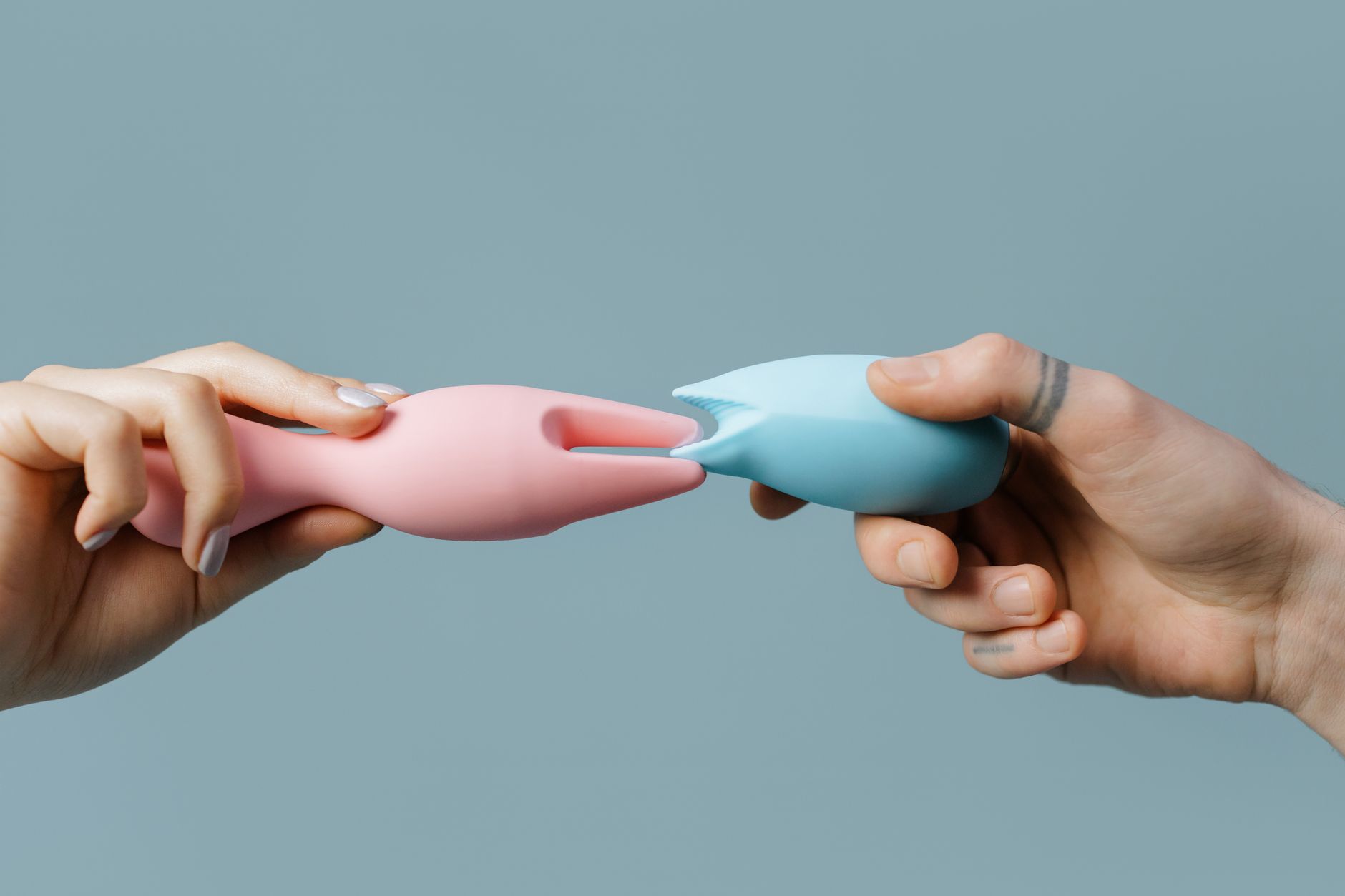
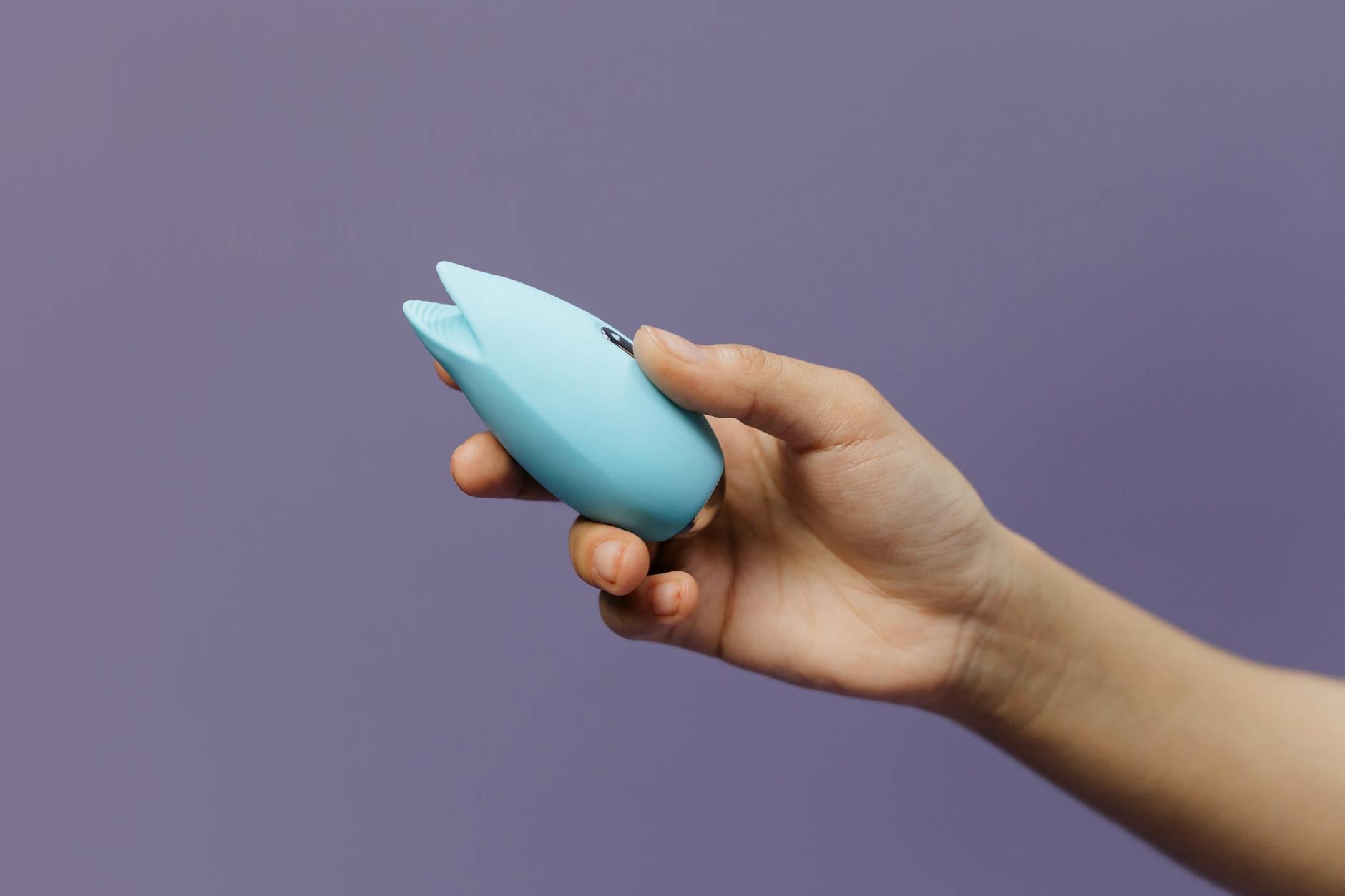
A lemon vibrator, specifically the Slem's suction design, is one of the most useful tools for this transition because it doesn't rely on direct friction to stimulate nerve pathways. It engages sensation differently, and that difference is exactly what many people need as their bodies naturally shift with time.
Let's separate myth from physiology. Your clit doesn't lose nerve endings. Nerve sensitivity can shift, though, and that's usually tied to a few interconnected factors.
First, collagen production decreases. The tissue that makes up your vulva gets slightly less plump and elastic. This changes how vibration travels through the area. What used to feel like a focused hum might feel dispersed now. Or it might feel sharper because there's less cushioning tissue.
Second, hormone fluctuations matter more than people realize, even outside of menopause. Progesterone and estrogen levels shift subtly throughout your forties and beyond, affecting blood flow and tissue thickness. More blood flow to the clit means faster arousal and stronger sensation. Less means you need more warm-up and different stimulation patterns.
Third, the pelvic floor tenses more easily with time, especially if you've spent decades contracting it during sex out of habit or habit or performance anxiety. A tighter pelvic floor actually dampens sensation because it's harder for arousal to build deeply.
None of this is permanent. None of it means you've peaked. It means your body is asking you to pay attention differently.
Arousal takes longer to build, but it can feel more integrated. Instead of a fast spike, sensation develops in layers. Your clit wakes up slowly. This sounds like a loss, but it's often a gain. Slower arousal means you're less likely to plateau fast and get bored. It means you can actually feel pleasure building instead of just chasing the peak.
Direct stimulation can feel too intense sooner. A lemon vibrator's suction mechanism is gentler than traditional vibration because it creates rhythmic pressure rather than repetitive impact. If you've noticed that intense settings now make you numb or feel raw instead of building toward orgasm, this is usually why. You're not desensitized. You're just more aware of intensity now.
Orgasms can feel more localized or more distributed, depending on the day. This is less about sensation and more about where arousal is concentrated in your body. Some people experience clitoral orgasms that feel tight and focused. Others find that relaxing into pleasure spreads sensation through the whole vulva and pelvic floor. Both are happening to the same body, just in different states.
Start by forgetting what used to work. I mean that genuinely. The settings, the pressure, the angle, the rhythm. You're not broken and you're not starting over. You're beginning with fresh data.
With the Slem or any lemon clitoral vibrator, start at the lowest setting. This isn't a confidence-building measure. It's because suction at lower intensities creates rhythm without pressure fatigue. Let your clit meet the sensation rather than chasing it.
Spend time on arousal. Most people shortcut this as they age, assuming they can't get aroused fast anymore so why bother. Actually, investing fifteen to twenty minutes in foreplay with yourself changes the whole experience. Your clit needs time to fill with blood. Massage the outer labia first. Use your fingers on the area around the clit, not just the button itself. Then introduce the lemon vibrator.
Many people with shifting sensation find that moving the Slem in slow circles rather than holding it still creates more distributed pleasure. Let the suction create rhythm by varying your pressure and angle slightly. This isn't passive stimulation. You're actively engaging with how your body wants to be touched right now.
Use lubricant every time. Water-based lube isn't about being dry. It's about reducing friction so sensation is cleaner and can travel more easily through tissue. It also creates a better seal for the suction mechanism, which means more effective stimulation with less intensity.
Clitoral sensation changes bring up feelings. Sometimes it's just frustration. Sometimes it's grief over a body that doesn't respond the way it used to. Sometimes it's shame that you're having to relearn something you thought you already knew.
That's real. Let it be real. Pleasure after thirty, forty, fifty is not a downgrade. It's a different experience. And different can be better, once you stop measuring it against what came before.
The people I work with who adapt best are the ones who treat sensation exploration like curiosity, not troubleshooting. You're not trying to fix a broken pleasure response. You're discovering what your body enjoys now. That's genuinely exciting.
A lemon vibrator helps because it gives you permission to slow down. The suction design doesn't reward rushing. It rewards attention. That attention is where pleasure lives now.
If you're partnered, this is worth a separate conversation from "my sensation feels different." One is about your body. The other is about how you want to be touched together.
Most partners feel relieved when you tell them specifically what works now. It's not "I don't respond the way I used to." It's "I need more warm-up time and I love when you use the lemon vibrator while also touching me here." That's actionable. That's sexy.
You can explore a lemon vibrator together or separately, depending on what you want. Some people love having a partner use it on them. Others prefer using it alone first, so they can learn what feels good without any performance pressure. Both are valid.
Position matters more than you might think. If you're lying down, try placing a pillow under your hips so your pelvis is slightly elevated. This changes the angle of stimulation and often makes sensation feel less dispersed.
If you're sitting, rest your back against something. Tension in your shoulders and neck travels down to your pelvic floor and dampens sensation. Support means relaxation.
Temperature shifts can help too. Some people find that being slightly warm (a warm room, soft blanket nearby) makes sensation feel more integrated. Cold can create a jangling, overstimulated feeling that's harder to work with.
Keep the lemon vibrator clean and use a water-based lubricant compatible with silicone toys. A toy that feels good physically also feels good mentally. There's no separation there.
Intensity isn't the issue. It's usually stimulation type. Direct vibration can overwhelm nerve endings and actually create a numbing effect, especially if your tissue has less cushioning than it used to. A lemon vibrator's suction mechanism creates rhythmic pressure instead, which many people find engages sensation more cleanly. It's worth trying different tools to see what your body responds to now.
Yes, and it's also normal for them to feel different in kind rather than intensity. Some people experience wider, more distributed pleasure instead of sharp peaks. Others find their orgasms are slower to build but longer. You're not losing capacity. You're experiencing pleasure in a different shape.
Absolutely. Hormone levels fluctuate throughout your life, even in your twenties. Progesterone, estrogen, and testosterone all affect blood flow and tissue sensitivity. If your sensation has shifted, a chat with your doctor can rule out thyroid issues, medication side effects, or hormonal patterns you can actually address.
There's no normal. Some people need five minutes. Others need thirty. The only benchmark is when arousal actually feels present, not when you think it should. Most people find they can cut warm-up time in half once they stop rushing and start actually paying attention.
Yes. Lubricant creates better seal integrity for the suction mechanism and reduces friction on tissue that might be more sensitive. It's not a sign of anything wrong. It's the difference between stimulation that feels good and stimulation that feels effortful.
Orgasm isn't the goal. Pleasure is. Some days that leads to orgasm. Some days it doesn't. If you're enjoying sensation and feeling arousal, that's the win. Orgasm chasing actually makes clitoral sensation harder to access, especially as your body changes. Step back from the goal and see what happens.
Your clitoris has been paying attention to pleasure your whole life. It knows what you like. It remembers what feels good. As you age, it's not forgetting. It's just asking you to learn a new language.
A lemon vibrator becomes the translation tool. It lets you speak to your body in the way your body wants to be spoken to right now. That's not a compromise. That's connection.
If you want to explore this deeper, or if you're navigating this shift with a partner, I'd love to help. Reach out.