Let's start with what actually happens
Pelvic floor surgery changes how your body responds to pleasure. The surgery itself might have been straightforward. Recovery is where the real complexity lives. Nerve endings reorganize, scar tissue forms and softens, and your brain's mapping of what feels good gets temporarily scrambled. This isn't weakness. It's biology.
The result is that arousal slows down. Not stops. Slows. And most people aren't prepared for how much longer foreplay needs to be, or how gently things have to start.
Why arousal timing shifts after pelvic floor surgery
Your pelvic floor muscles are involved in every phase of sexual response. They contract during arousal, intensify during orgasm, and relax afterward. When you have surgery in that area, you're not just healing the surgical site. You're retraining neural pathways that have been altered.
Scar tissue affects sensation. Swelling, even when it's not visible, changes blood flow and how quickly arousal can build. The pelvic floor itself needs to learn how to relax again, which sounds simple until you realize that years of normal sexual response have programmed it to contract in specific ways.
Most importantly, there's often psychological hesitation layered on top of the physical reality. Your brain knows something happened down there. Even if your doctor cleared you, your nervous system doesn't trust it yet.
The foreplay timeline that actually works
Here's what I tell people in recovery: assume you need twice the warm-up time you used to.
If you were someone who could go from zero to aroused in ten minutes, budget twenty to thirty now. Not because you're broken. Because your body is literally rebuilding its sensitivity map.
Start with non-genital touch. Fifteen to twenty minutes of kissing, touching arms, the back of the neck, inner thighs. This isn't foreplay in the traditional sense. It's nervous system settling. Your vagus nerve (the long wandering nerve that controls your rest-and-digest response) needs to register safety before your genital nerves will wake up.
Only after your body has genuinely relaxed should you introduce touch closer to the surgical area. And that's where a lemon vibrator becomes genuinely useful.
Why lemon clitoral vibrators work for post-surgery arousal
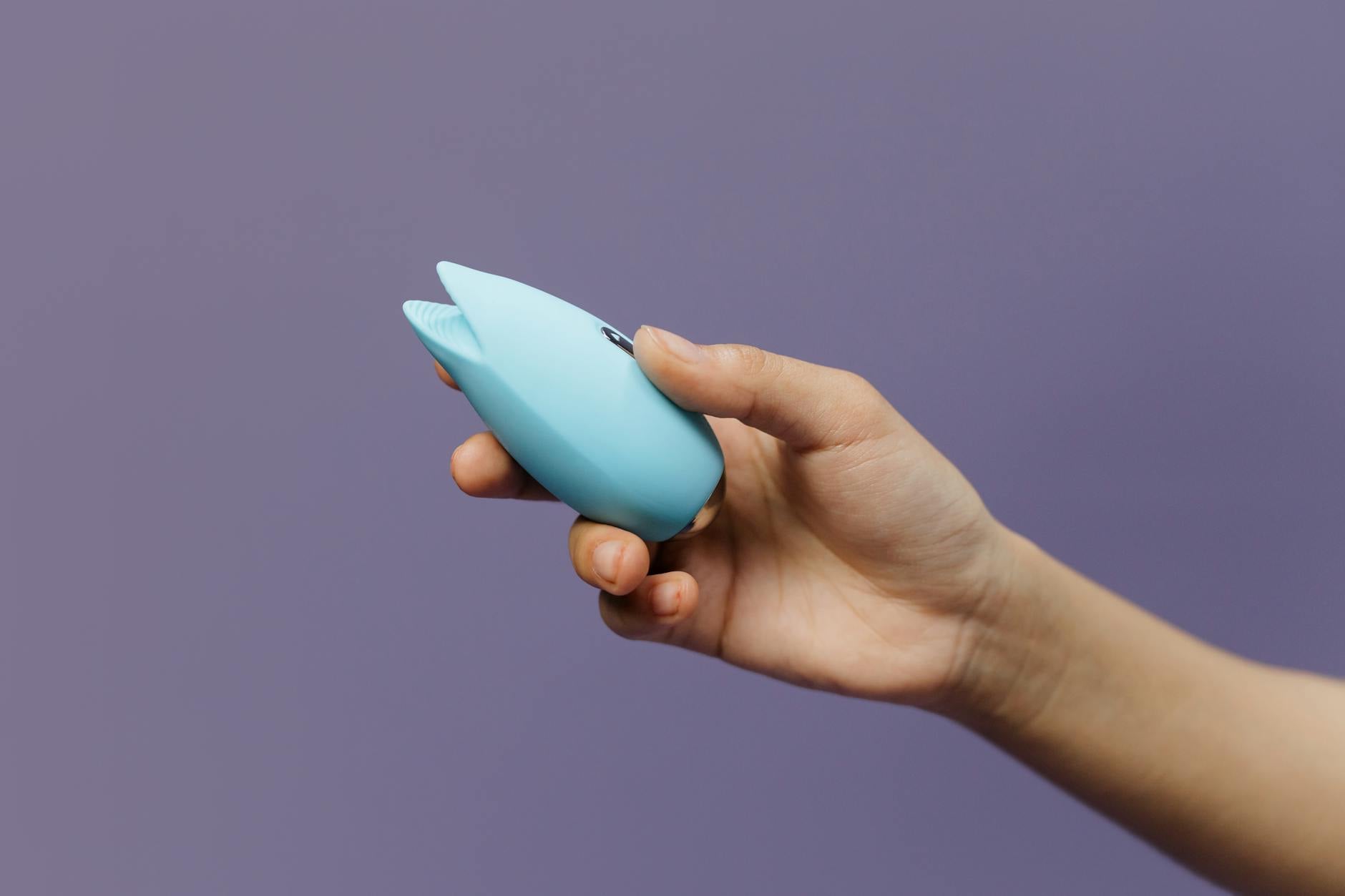
A lemon vibrator like the one from Helo Nancy's Slem uses gentle suction rather than direct vibration. This matters hugely after pelvic floor surgery because suction stimulates without the jarring intensity of traditional vibrators.
Direct vibration can feel overwhelming when nerves are still reorganizing. Suction feels more like sustained pressure and release. It's rhythmic without being harsh. And you can start at incredibly low intensities.
The design of a lemon clitoral vibrator also means you're not fumbling with angles. It's intuitive to position. No awkward searching for the right spot while your partner's hand is cramping or your own arm is tired. The toy does the consistent work while you focus on breathing and relaxation.
The step-by-step approach
Start solo, honestly. Not because partnered exploration is wrong, but because you need to learn your own body's new language first without performance pressure.
First session: hold the lemon vibrator against the clitoral area without turning it on. Just pressure. Feel how that sensation registers now. This is information gathering. Spend five minutes here.
Second session: turn it on at the absolute lowest setting. Pattern 1, intensity 1. This feels almost like a gentle hum. Place it against the clitoris and notice what happens. Some people feel nothing the first few times. That's normal. Your nerves are still waking up.
Third session and onward: gradually increase intensity only if the lower settings feel good. There's no rush to get to setting 3 or 4. Many people post-surgery find that settings 1 and 2 are actually where the most satisfying sensation lives. Your threshold has shifted.
Budget a minimum of twenty to thirty minutes total per session, with the vibrator portion being only part of that. The rest is stillness, breathing, and letting your nervous system settle.
When to introduce a partner
Once you've mapped your own response solo, bringing a partner in changes the dynamic in useful ways. They can provide the non-genital touch while you use the lemon vibrator on yourself. This removes the coordination puzzle.
Alternatively, your partner can hold the vibrator while you guide their hand and their rhythm. The key is that you're in control of pressure and speed. Post-surgery bodies need agency. You need to be able to say "softer" or "pause" without negotiation.
This is also where the emotional work matters. If your partner is hesitant or worried about hurting you, address that directly outside the bedroom. A conversation like "My body is healing and needs gentleness right now. That's not a reflection on you or our intimacy. It's just where I am" prevents a lot of performance anxiety from creeping in.
Lubrication is non-negotiable
Even if you were someone who rarely needed lube before surgery, use it now. Surgery often affects natural lubrication temporarily. Water-based lube is compatible with the Helo Nancy's Slem lemon vibrator and won't degrade the silicone.
Apply generously. More than feels intuitive. This reduces friction, which means your healing tissue isn't being irritated while you're trying to rebuild arousal.
The psychological piece is real
Recovery isn't just physical. Your brain has to trust that pleasure is available again. For some people, this happens naturally. For others, anxiety or fear lingers.
If you find yourself tensing up during sessions, that's your nervous system protecting you. Slow down. Sometimes the goal of a session isn't orgasm. It's just feeling sensation and confirming that it doesn't hurt. That's progress.
If anxiety persists beyond a few months, talk to your doctor or a pelvic floor physical therapist. They can rule out complications and often provide techniques specifically designed to retrain your nervous system's response.
Timeline expectations
Most people start feeling genuinely aroused again within four to eight weeks post-surgery, assuming there were no complications. Full sensation recovery typically takes three to six months. Orgasms might take longer to rebuild than arousal.
This isn't linear. You might have a session where everything feels amazing, followed by a session where nothing registers. That's normal. Your body is learning again.
Patience with yourself isn't resignation. It's the most intelligent response to what your body actually needs.
FAQ
How long after pelvic floor surgery can I start using a lemon vibrator?
Check with your surgeon first, but most recommend waiting until cleared for sexual activity. For many procedures, that's four to six weeks. Start gently regardless of what timeline you're given. Your body's readiness matters more than a calendar date.
Will using a lemon clitoral vibrator damage my healing?
If you're using low settings with plenty of lube and stopping if anything hurts, you're unlikely to cause damage. The risk comes from forcing intensity or ignoring pain signals. Listen to your body. If something hurts, stop. That's not quitting. That's respecting your recovery.
Can I use a lemon vibrator with a partner during recovery?
Absolutely. Many couples find it easier to maintain intimacy during recovery when there's a device doing consistent work. Your partner can focus on touch, kissing, and connection while the lemon vibrator handles stimulation. This actually reduces pressure on both of you.
What if I don't feel anything with the vibrator at first?
Nerve sensation takes time to reestablish. Some people feel nothing for two to three weeks, then sensation suddenly returns. Don't panic. Keep using it at low intensities while your nerves rewire. If nothing has changed by two months, mention it to your doctor.
Is it normal for orgasms to feel different after pelvic floor surgery?
Completely normal. Your pelvic floor is literally relearning how to contract. Orgasms might feel gentler, more diffuse, or take longer to build. They'll likely evolve again as you heal further. What feels different now isn't permanent. It's transitional.
How do I talk to my partner about needing longer foreplay during recovery?
Be specific. "My body is rebuilding its arousal response right now. I need about thirty minutes of non-genital touch before anything else feels good." Then show them. Communicate in real time. "A bit softer," "that spot feels better," "let's pause here." Partners generally want to help. Clear information lets them do that.
The longer view
Pelvic floor surgery feels like a setback when you're in the middle of recovery. But many people find that once they're through it, they understand their body's pleasure in a deeper way.
You've learned what your arousal actually needs. You've built communication with a partner, or learned to pleasure yourself without assumptions. You've discovered tools like the lemon vibrator that work with your body rather than against it.
Your sexuality isn't broken. It's remapping. And that process, slow as it feels, often leads somewhere richer than where you started.