Let's be real about what vaginismus actually is
Vaginismus is involuntary muscle tension that makes penetration feel impossible or painful. Your pelvic floor isn't broken. It's protecting you. That protective response can develop after trauma, from anxiety, from years of painful sex, or sometimes for reasons that aren't immediately obvious. The frustrating part: the harder you try to relax, the tighter it gets.
Here's what matters: clitoral pleasure doesn't require penetration, and clitoral vibrators don't require your pelvic floor to cooperate. This is the piece most people miss.
Why traditional vibrators often feel worse
Most vibrators rely on rapid oscillation or buzzing patterns that stimulate the entire external vulva, including the perineal body and the entrance to the vagina. For someone with pelvic floor tension, even external vibration can trigger that protective reflex. The buzzing travels through the tissues and sometimes amplifies the tension instead of easing it.
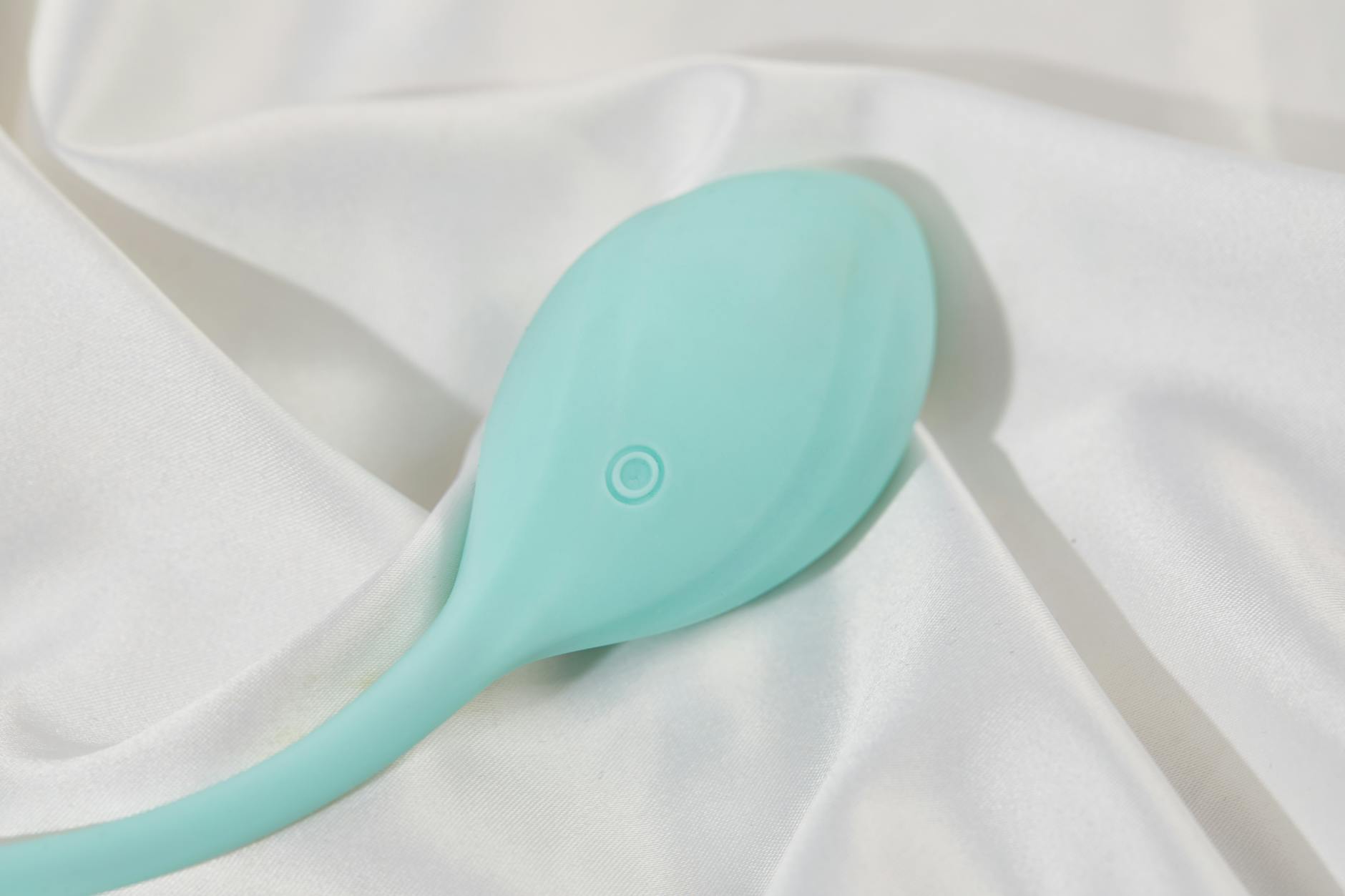
Lemon vibrators, specifically air-suction clitoral vibrators like the Lem, work differently. Instead of vibrating the tissue, they use gentle suction pulses that focus directly on the clitoral glans. There's no penetration required, no broad tissue stimulation, and because the sensation is more localized and precise, many people with vaginismus report that suction actually helps their pelvic floor relax rather than contract.
This isn't theoretical. I've worked with partners navigating vaginismus for years, and the shift from traditional vibrators to air-suction models often marks a turning point in reclaiming pleasure.
The pelvic floor connection you need to understand
Your pelvic floor muscles have two jobs: squeeze and release. Vaginismus is essentially a persistent squeeze, often paired with difficulty releasing. The problem with buzz-pattern vibrators is that they can trigger the squeeze reflex involuntarily. Air-suction, on the other hand, creates a gentle pulling sensation that can actually cue the nervous system toward relaxation.
Think of it this way: a vibration says "activate." Suction says "soften." For a pelvic floor stuck in protective mode, that distinction is everything.
That said, not everyone with vaginismus will respond the same way. Your nervous system has learned that certain sensations mean pain or threat. The goal is to introduce new sensations slowly enough that your system begins to recognize them as safe.
Starting with a lemon clitoral vibrator when you have tension
If you're new to vibrators and managing pelvic floor tension, here's the sequence that actually works:
Week one: external touch only, no vibration. Spend 5-10 minutes exploring the outside of your vulva with your hands. No goal, no pressure. This is about reminding your nervous system that the vulva can feel good and nothing bad happens.
Week two: introduce the vibrator on the lowest setting, fully clothed. Yes, really. Feel the sensation through fabric. Let your nervous system get used to the device existing and working. Ten minutes, no goal.
Week three: same vibrator, same setting, directly on the vulva (not inside). Maybe focus on the clitoral hood first, where sensation is gentler. Still no goal. You're teaching your body that this new sensation is safe.
Week four and beyond: same setting, longer sessions, and permission to notice what actually feels good. Some people with vaginismus need months at this pace. That's not slow. That's smart.
The reason for this progression: you're not fighting your pelvic floor. You're rebuilding trust with a part of your body that has been protecting you. Speed bypasses that healing.
What's different about a lemon vibrator for your situation
A lemon clitoral vibrator uses air-pulse technology instead of traditional vibration. The sensation is closer to gentle suction than buzzing. For someone with pelvic floor tension, this matters because suction stimulates the clitoral nerve endings directly without spreading stimulation to the surrounding tissues and muscles that are already in protective mode.
You can also control the intensity precisely, which is huge. Unlike some traditional vibrators with fixed patterns, models like the Lem allow you to start at pattern 1 or 2 and stay there indefinitely. There's no pressure to increase sensation before you're ready.
The role of your partner (if you have one)
If you're working through vaginismus with a partner, here's what actually helps: they understand that your pelvic floor tension is not rejection. It's not about them or about whether you want them. It's a nervous system response.
The worst approach: your partner watching you use a vibrator and feeling like it's a replacement for them. The best approach: your partner understanding that you using a lemon vibrator alone (or with them present, not actively involved) is you reclaiming your own pleasure on your own timeline. That's actually deepening intimacy.
Some couples find it helps to have the partner present during exploration, maybe just reading nearby. Others need solo time. There's no right version. The only wrong move is pressuring yourself to be ready before you are.
Pain versus sensation: knowing the difference
This is critical. Using a lemon vibrator should never hurt. If it does, stop immediately. There's a difference between "this sensation is unfamiliar and slightly awkward" and "this is painful." Unfamiliar is fine. Painful means your nervous system is still in protective mode, and you need to back up a step.
If pain persists across multiple tries over weeks, consider talking to a pelvic floor physical therapist. Vaginismus often improves with targeted PT before or alongside using any vibrator. You're not failing if you need that support. You're being strategic.
When to involve a professional
If your vaginismus developed after trauma, a therapist who specializes in somatic work (working with the body and nervous system together) can be transformative. If it's rooted in anxiety, cognitive behavioral therapy helps. If it's partly physical tension, pelvic floor PT helps. Most of the time, it's all three, and addressing all three moves things faster.
Your GP can refer you to a pelvic floor specialist. If they can't, the National Association of Nurse Practitioners in Reproductive Health has a locator, or you can search independently for "pelvic floor physical therapist" in your area.
The long game: rebuilding pleasure
Vaginismus can make you feel like your body betrayed you. Using a lemon vibrator is partly about physical sensation, but it's also about telling yourself: my pleasure matters. My body is allowed to feel good. I get to explore this at my own pace.
That message, repeated over weeks and months, is often what shifts things. Not the vibrator itself. The vibrator is just the tool that makes the message feel real.
FAQ: Vaginismus and lemon vibrators
Can I use a lemon vibrator if penetration is completely painful?
Yes. Lemon vibrators are designed for clitoral stimulation only. They don't require any penetration, vaginal relaxation, or pelvic floor cooperation beyond your vulva being accessible to touch. Many people with vaginismus report that focusing on clitoral pleasure exclusively actually helps their pelvic floor relax over time because the pressure is off.
Will using a vibrator make my vaginismus worse?
No, if you're using it correctly and slowly. The key is not forcing sensation before your nervous system is ready. Starting at the lowest setting, progressing gradually over weeks, and stopping if pain appears all protect against triggering further tension. If anything, regular gentle stimulation can help retrain your nervous system to recognize certain sensations as safe.
How long does it take to see improvement?
There's no standard timeline. Some people notice reduced tension in weeks. Others take months or longer. What matters is consistency and patience, not speed. You're not trying to "fix" yourself quickly. You're rebuilding a relationship with your body.
Is a lemon vibrator better for vaginismus than other types?
Air-suction vibrators like the Lem tend to work better for people with pelvic floor tension because suction focuses stimulation on the clitoral glans without spreading vibration to surrounding tissues. Traditional vibrators can sometimes trigger the protective squeeze reflex. That said, everyone's nervous system is different, so what works for one person might feel wrong for another. The best tool is the one that feels safe to your body.
What if the vibrator still makes my pelvic floor tighten?
That's information, not failure. It means either you need to go slower, your nervous system isn't ready yet, or you might benefit from pelvic floor physical therapy before or alongside vibrator use. A pelvic floor PT can teach you how to recognize and release tension, which often makes vibrators feel better when you come back to them.
Can I use a lemon clitoral vibrator while managing vaginismus and anxiety?
Absolutely. Anxiety and vaginismus often go together. Using a vibrator in a safe, pressure-free environment (no performance goals, no timeline) can actually help with both. You're teaching your nervous system that this context is safe and that pleasure is possible. That's therapeutic, not just physical.
One more thing
Vaginismus is not a life sentence. I've worked with many people who moved through it fully and reclaimed pleasure that felt stolen from them. It takes patience, the right tools, and often professional support. A lemon vibrator is one piece of that puzzle. The bigger piece is you deciding that your pleasure matters and that rebuilding your relationship with your body is worth the time it takes. If you want to talk through your specific situation with someone who understands the nuance, we're here to help. Visit our contact page to reach out.