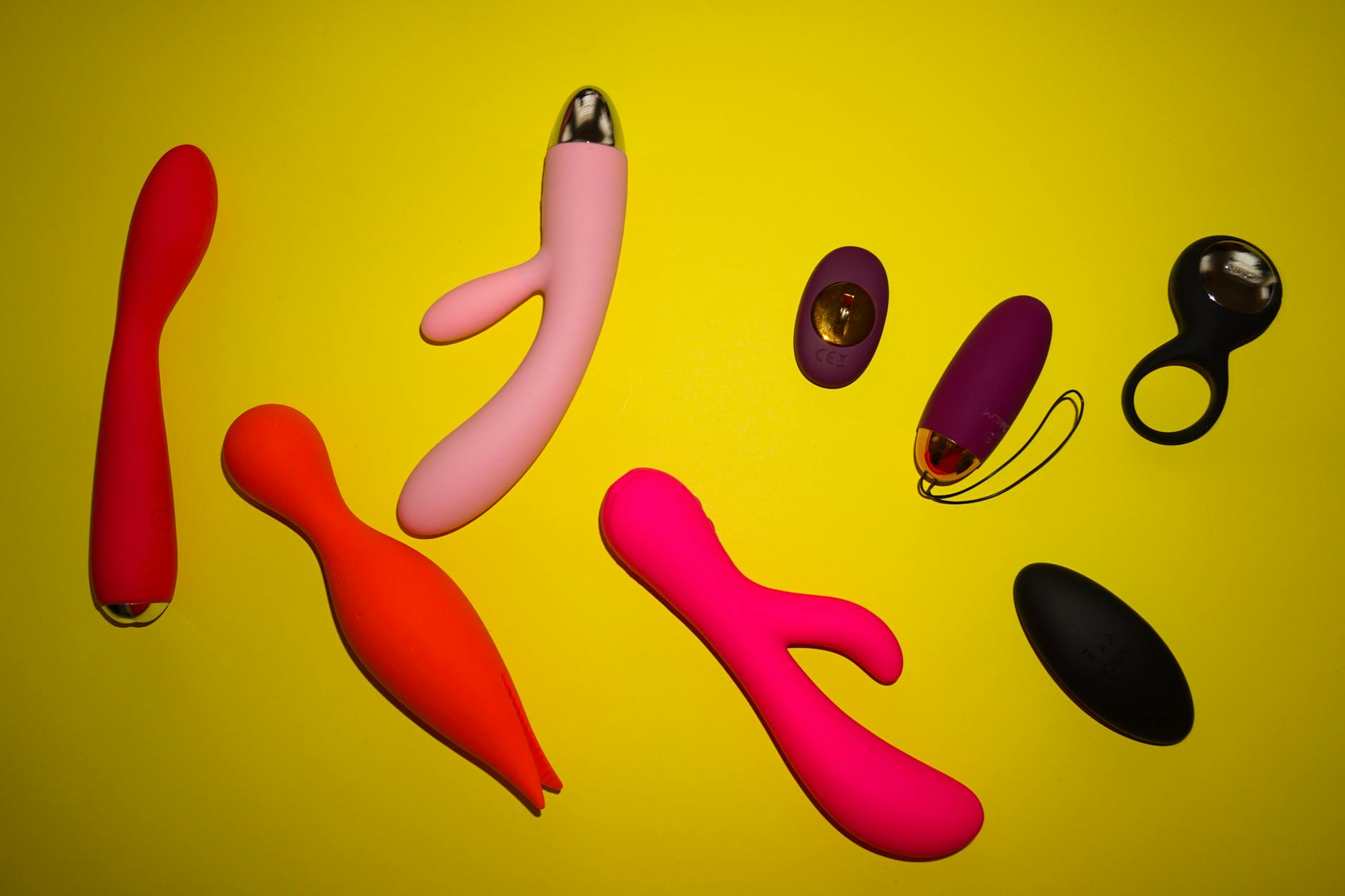
Here's what nobody tells you about rebuilding pleasure after trauma
Heal first, then pleasure comes naturally. That's the cultural narrative. But the truth is messier and, oddly, more hopeful. Many people find that reclaiming pleasure is part of healing, not something that waits on the other side of it. The key difference is control. Trauma often involves a loss of control over your body. Rebuilding that control, slowly and on your own terms, rewires the nervous system in ways that talk therapy alone sometimes cannot.
A lemon vibrator can be part of that process. Not as a quick fix. Not as proof that you're "over it." But as a tool for re-authoring your relationship with sensation, pleasure, and your own body.
Why a lemon vibrator specifically matters in trauma recovery
There are practical reasons why a lemon clitoral vibrator works well for people rebuilding after trauma, beyond just the design. The suction-based stimulation of a lemon vibrator doesn't require the same vulnerability as penetration. You stay clothed. You control the intensity completely. You can pause instantly. There's no performance pressure and no penetrative sensation, which can sometimes reactivate trauma responses even when you're not consciously aware it's happening.
The sensation itself is different from a traditional vibrator. Suction creates a gentler, more diffuse pressure that feels less invasive than direct vibration. For people whose nervous systems are hypervigilant to touch, that distinction can make the difference between something that feels safe and something that triggers a shutdown response.
Second, lemon vibrators are genuinely quiet. Healing from trauma often involves reclaiming privacy and autonomy. A device that doesn't announce itself lets you explore without hypervigilance about who might hear. That matters more than you'd think.
Building a foundation of safety first
Before you use a lemon vibrator, before you even think about pleasure, you need to establish what safety feels like in your body. This isn't abstract. It's physical.
Spend a week doing nothing but noticing where you feel safe when you're alone. Is it in a locked room with headphones on. In bed under specific blankets. At a specific time of day. Write it down. The specificity matters because trauma lives in vague threat. Specificity is how you retrain your nervous system.
Then, when you're ready to introduce the lemon vibrator, do it in that exact environment. Not as an experiment. As a promise to yourself that this is a space where you decide what happens to your body.
The first session should not involve pleasure
I know that sounds backwards. But the goal of the first session is not to have an orgasm. The goal is to learn that you can stop.
Turn on the lemon vibrator at the lowest setting. Hold it near your inner arm for three seconds. Then turn it off. That's it. You've now proven to your nervous system that you have complete control. Repeat this five times. No pressure to escalate. No goal of sensation.
Many people who've experienced trauma have a nervous system that's waiting to be hurt again. When you give it evidence that you're in control and nothing bad happens, the system gradually learns to relax. This is not gentle weakness. This is methodical rewiring.
Do this for several days if you need to. There's no timeline. Your timeline is the only one that matters.
When sensation becomes possible
Once you've established that you can turn it on and off without consequence, you can gradually move toward sensation. Still clothed. Still at low intensities. Still with full permission to stop.
The first time you use the lemon vibrator near your genitals, don't aim for arousal. Aim for noticing. What does it feel like on your outer thigh. On the fabric of underwear. On the hood of the clitoris. These are reconnaissance missions, not pleasure sessions.
Many trauma survivors report that their first sensation is not pleasure but relief. A kind of softness in the body that wasn't there before. Grief sometimes follows that softness. That's not a sign you're doing it wrong. That's your nervous system processing that it's safe to feel.
The role of arousal in rebuilding
Arousal is often the first casualty after trauma. Your brain, trying to protect you, shuts down the signals that make you vulnerable. Rebuilding arousal isn't about forcing desire. It's about giving your body permission to respond.
When you use a lemon vibrator, you're not trying to feel turned on. You're creating the conditions where your body might remember what turned-on felt like. This is why the lowest settings matter. Low intensity stimulation can sometimes trigger arousal responses in people whose nervous systems are too dysregulated for high intensity.
If arousal doesn't happen, that's not failure. The goal is reclaiming sensation, not hitting a performance benchmark.
Partnered use when you're ready
If you eventually want to involve a partner, that's a separate conversation. Let them read this. Let them understand that their role is witness and supporter, not director. They don't touch the lemon vibrator. They don't suggest settings. They hold space while you explore.
Many partners, out of love, want to speed up the process. "Are you sure you're not ready yet?" becomes a subtle pressure. Be explicit. Tell them exactly what you need. "I need you to sit with me without suggesting anything for the next three weeks." That clarity is part of rebuilding trust.
What to expect as you continue
Some people report that their first orgasm after trauma is underwhelming. Years of anticipating this moment, and it's just a little pulse. That's normal. Your body is relearning a response. It builds gradually.
Others report that their first post-trauma orgasm is overwhelming. Emotions, sometimes tears, sometimes shaking. That's also normal. You're integrating pleasure with a body that was taught pleasure wasn't safe. Your nervous system is processing that new information.
Stay in a pace that doesn't retraumatize you. If something sparks fear, stop. You can try again tomorrow, or next month, or never. The goal is pleasure on your terms, not pleasure at any cost.
When to involve a therapist
If flashbacks happen during use, if you find yourself dissociating, or if certain sensations consistently trigger panic, that's not a sign to quit. It's a sign to bring in a trauma-informed therapist. They can help you understand what your nervous system is responding to and how to work with it, not against it.
A lemon vibrator is a tool, not a treatment. Therapy is the treatment. The vibrator is just one small part of a larger process of reclaiming your body and your pleasure.
The long view
Healing from trauma is not linear. Some weeks you'll feel confident. Some weeks you'll feel scared. That doesn't mean you're failing or that the lemon vibrator isn't working. It means you're human and your nervous system is processing something real.
Your pleasure matters. Your body matters. Your timeline matters. And when you're ready, devices like the Lemon Clitoral Vibrator can be a concrete way to practice the most important skill in recovery: authoring what happens to your own body. That agency, more than any orgasm, is where real healing begins.
FAQ
How long does it take to feel comfortable using a lemon vibrator after trauma?
There's no fixed timeline. Some people need weeks of the introductory exercises before moving to sensation. Others need months. The goal is never to rush. Your nervous system will signal when it's ready to move to the next phase. Trust that signal, even if it feels slower than you'd like.
Can using a lemon vibrator trigger a trauma response?
It's possible, especially early on. That's why starting with low intensity on non-genital areas is important. Your body will tell you if something feels unsafe. If it does, stop and return to the previous phase. This isn't failure. It's your nervous system speaking. Listen to it.
Should I tell my therapist that I'm using a lemon vibrator for healing?
Yes, if they specialize in trauma. A good trauma therapist can help you understand what your body is responding to and how to pace your exploration in a way that supports healing rather than accidentally retraumatizing you.
What if I feel numb during use?
Numbness is a common trauma response. Your body might be protecting itself. Instead of trying to override that numbness, just notice it. With time and consistent gentle stimulation, sensation often returns. But this takes patience.
Is it normal to feel emotions like sadness or grief when using a lemon vibrator after trauma?
Completely normal. Your body is processing that it's safe to feel. Emotions and physical sensation are connected. If you feel overwhelmed, pause and breathe. You can journal about what came up. Your therapist might help you understand it.
Can a lemon vibrator help me rebuild desire after trauma?
It can be part of the picture, but it's not a magic fix for desire. Desire often returns once your nervous system feels safe enough to want things again. A lemon vibrator can create the conditions where wanting becomes possible, but the desire itself has to come from within.
Moving forward
Reclaiming pleasure after trauma is one of the most courageous things you can do. It's a way of telling yourself and the world that your body belongs to you. That what happens to it matters. That you deserve to feel good.
A lemon vibrator is just a tool. But tools, when used with intention and self-compassion, can rebuild what was broken. Start small. Go slow. Trust your timeline. Your body will know when it's ready to feel again.