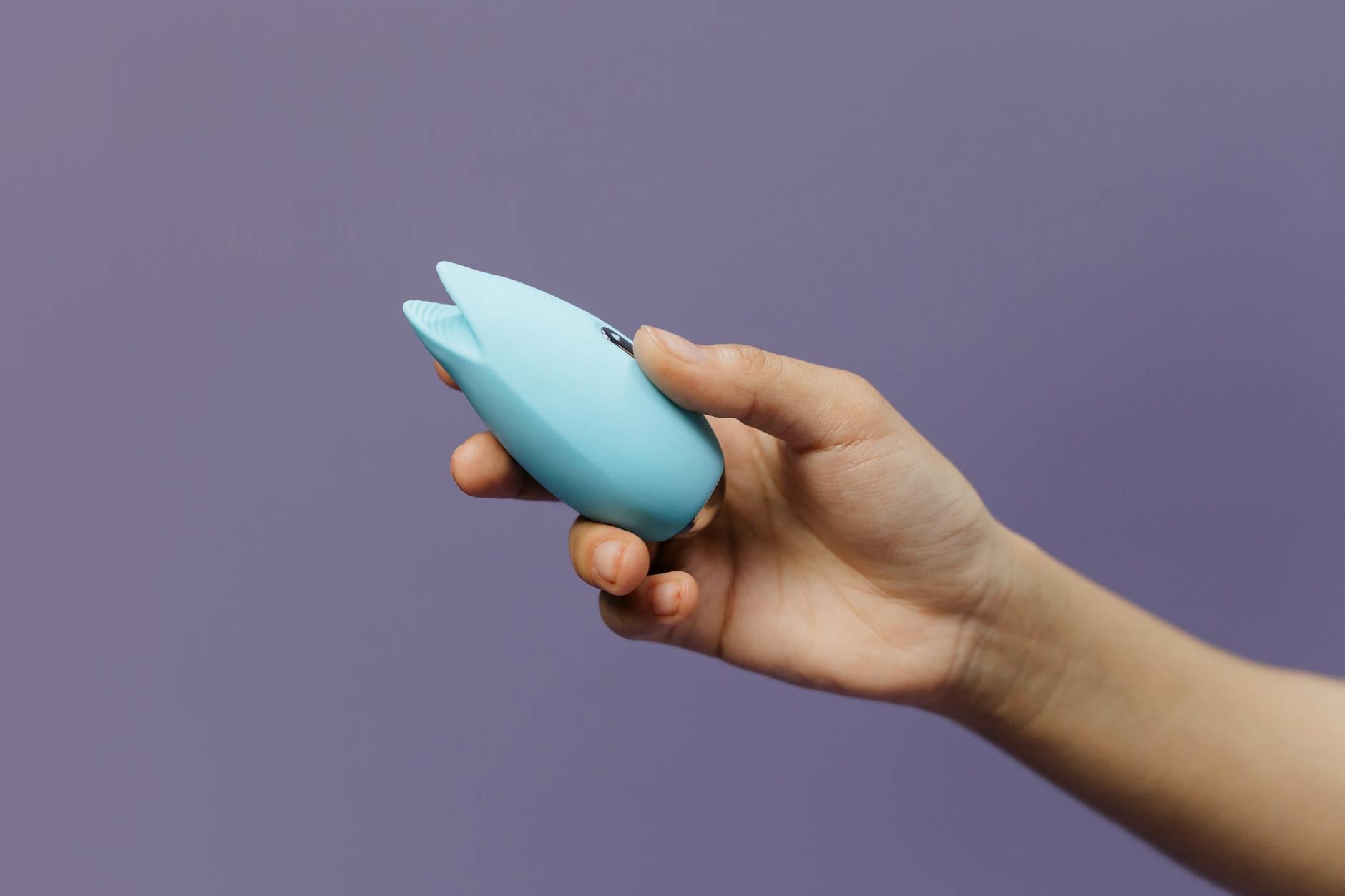
What changes when you switch to a lemon vibrator
Let's be honest. If you've spent years with traditional vibrators, the first time you use the Lem, your nervous system might do a double-take. It's not wrong or broken. Your body is just experiencing something genuinely different, and that takes a moment to process.
Traditional vibrators buzz. The Lem, like other suction-based clitoral vibrators, uses gentle pulsing air waves that create a sensation closer to oral stimulation than mechanical vibration. Same goal, completely different pathway. Your clitoris has around 8,000 nerve endings, and they respond to different stimuli in different ways. Introducing a new type of stimulus isn't about replacing what worked before. It's about expanding your repertoire.
Why your first session might feel underwhelming
This is the most common experience I hear from people switching to a lemon clitoral vibrator for the first time. The initial reaction is often: "Huh. That's... different. Is it supposed to feel this gentle?"
Yes. And that's the whole point.
A traditional vibrator's job is to create rapid oscillation. A suction-based adult toy like the Lem creates rhythmic sensation. If you're coming from a device that's been delivering 2,000 to 10,000 vibrations per minute, the Lem's pattern-based approach can read as underwhelming at first. But your sensitivity will recalibrate within 1-2 sessions. Your nervous system needs to learn the new language.
Many people who struggle with this are actually experiencing what happens when you finally remove overstimulation. Traditional vibrators, especially if you've relied on them for years, can gradually numb sensitivity through repeated high-frequency input. Switching to a suction vibrator often feels anticlimactic for exactly that reason. You've been living in sensory overdrive.
Start with the lowest settings and be patient
Here's the single most useful thing I can tell you: begin on the Lem's gentlest settings. Most people do the opposite. They dive into the middle range out of habit, assuming they need intensity to feel anything. That logic worked with your previous vibrators. It does not apply here.
Start on setting one. Spend 5-10 minutes there. The sensation should feel pleasant but subtle, almost like a question your body is answering rather than a demand it's responding to. You're teaching your clitoris to perceive suction and rhythm separately from constant buzz.
Then move to setting two. Pause. Notice what changes. The patterns of suction-based toys often feel more interesting in their variation than in their raw intensity. You might discover you prefer the lower settings to anything you've felt before.
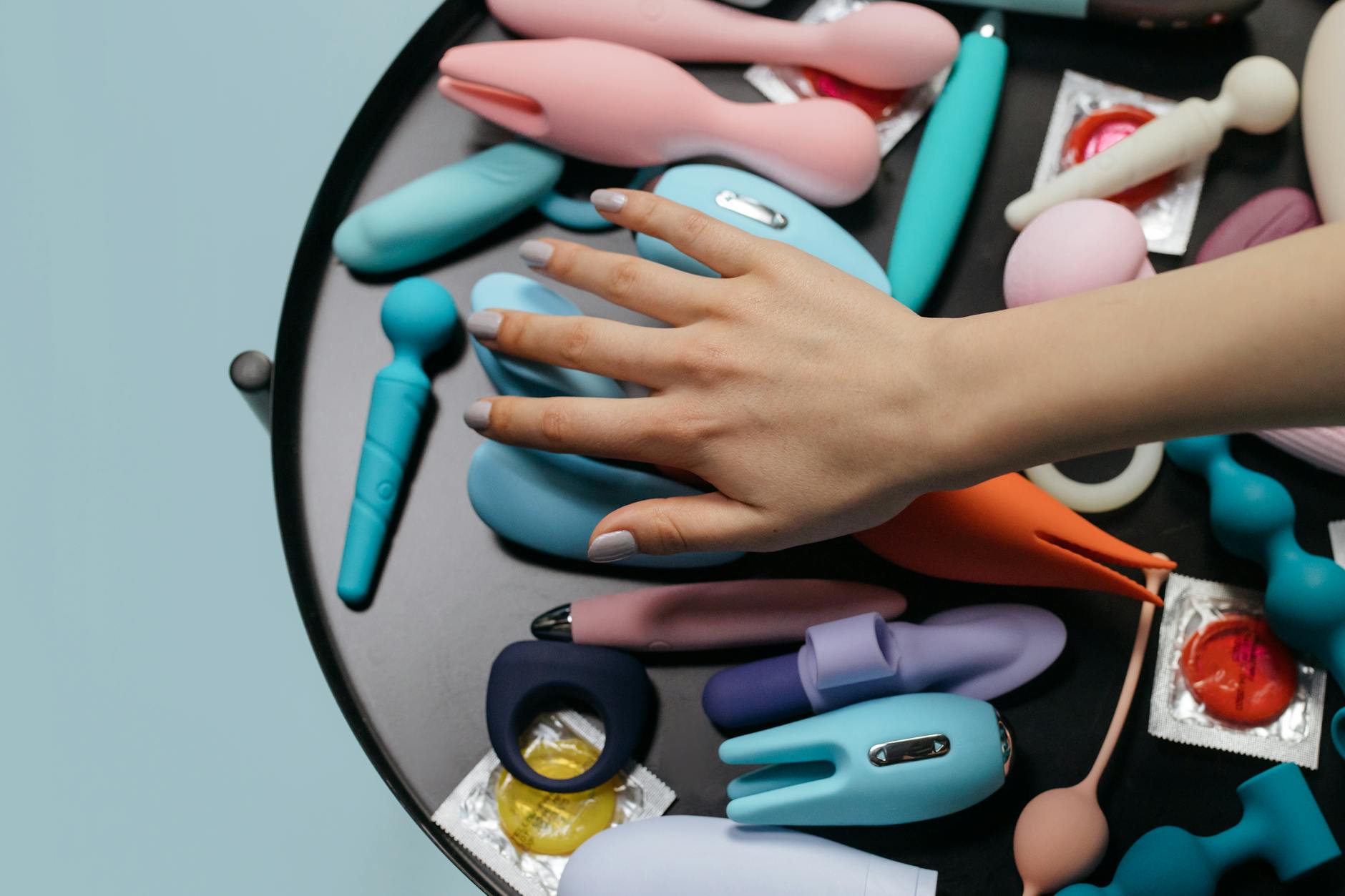
Photo by cottonbro studio on Pexels
The lubrication question nobody addresses properly
Let's talk about something practical that changes when you transition to lemon sexual toys or any suction device. The seal matters. A traditional vibrator works with or without lubrication. A suction-based clitoral vibrator like the Lem needs a gentle seal to create the pressure differential that generates sensation.
This doesn't mean you need more lubricant. It means you might need it differently. A tiny amount of water-based lubricant around the rim of the toy helps create that seal without creating a mess. Too much and you'll lose the suction sensation entirely. You're not lubing for friction here. You're lubing for optimization.
Some people find that after 2-3 minutes of use, their body produces enough natural lubrication to maintain the seal without additional product. Others prefer to reapply a little lubricant every few minutes. Neither approach is wrong. Experiment.
Why patterns matter more than intensity
One thing I've noticed with clients transitioning from traditional vibrators to suction-based adult toys is that they suddenly understand what pattern variation actually does. With a standard vibrator, intensity is the main lever you control. Higher speed equals more stimulation. Done.
With the Lem and similar lemon clitoral vibrators, each setting has its own rhythmic pattern. Setting three isn't just "setting two but stronger." It's a different dance entirely. Some patterns build arousal more effectively than others. Some create orgasms that feel different in quality, not just quantity.
You might discover you prefer setting two's rhythm to setting five's intensity. That's not settling. That's actually understanding your body better than you did before.
What to expect in the first week
Session one through three usually involve novelty and adjustment. Your nervous system is learning. Many people don't orgasm at all, and that's statistically normal and not a sign anything is wrong.
By session four or five, your body starts recognizing the pattern. Arousal builds differently. You might find yourself approaching climax faster or slower than before. Both are adaptations, not problems.
Around session seven to ten, most people hit a breakthrough moment. Suddenly, the sensation clicks. You stop analyzing and start feeling. That's when the real advantage of switching to a suction-based toy becomes obvious.
When you're using it with a partner
If you're exploring a lemon clitoral vibrator for the first time in partnered sex, communication matters more than it did with your previous toys. The sensations are more subtle, so your partner might not notice the same visible response they're used to seeing. That doesn't mean less pleasure. It means different pleasure.
You might need to tell them: "I'm still aroused, just more quietly." Or they might notice you staying engaged longer because you're not working against overstimulation anymore. Either way, naming what's different prevents them from misinterpreting the adjustment period as disinterest.
If you were using a traditional vibrator during partnered play and switching to the Lem, have an honest conversation about what that transition will look like. Some partners love getting involved with directing the toy. Others prefer stepping back. The Lem's smaller size and intuitive design make partner integration surprisingly natural once you both understand what you're trying to create.
The sensitivity rebound you might experience
Here's something I hear about frequently but is rarely discussed publicly. When people stop using high-intensity traditional vibrators and switch to lower-intensity suction-based toys, they often report a rebound in overall clitoral sensitivity within two to three weeks.
Your tissue wasn't numb because you're broken. It was less responsive because of repeated intense input. It's like how your ears stop registering background noise. Switch to something gentler, and your nervous system re-sensitizes. This is genuinely positive, even if it surprises you.
You might suddenly feel sensation from touch or oral play that you barely registered before. That's not the Lem's magic. That's your body returning to baseline.
Troubleshooting the awkward adjustment phase
If you're two weeks in and the Lem still feels disappointing compared to what you're used to, here are the most common fixes.
The seal isn't working. Check the rim. Make sure it's sitting flat against your skin. If there's any gap, you'll lose suction and sensation. Adjust position slightly. Sometimes you need to rotate the toy a quarter-turn to find the sweet spot.
You're overthinking it. Seriously. The moment you start waiting for sensation to happen instead of letting it unfold, your nervous system tenses. Take two breaths. Reset your intention. You're not trying to force an orgasm. You're exploring what a new sensation feels like.
You're still on too high a setting. Drop down. Stay there longer. Many people move through settings too quickly out of habit. Give each one a real chance.
Your expectations are calibrated wrong. If you're measuring the Lem against your previous vibrator's intensity, you're setting yourself up for disappointment. The Lem isn't better or worse. It's different. Different can be richer and more interesting, but only if you stop comparing.
How this transition builds deeper pleasure over time
Here's what usually happens after people stick with the adjustment period. Around week three or four, they start noticing that sensations feel more textured, more varied, less numb. Orgasms take longer but feel more interesting. Clitoral sensitivity overall improves because your nerve endings aren't being overstimulated.
If you've been using traditional vibrators for years, you might have gotten used to a particular kind of intense, brief sensation. Switching to something like the Lem often reveals pleasure you didn't know was available. That's not the toy being better. That's you discovering a different part of the pleasure spectrum.
Many of the clients I work with find that after transitioning to suction-based lemon sexual toys, they actually use them less frequently than they used traditional vibrators, but enjoy them more deeply. That's the signal that something fundamental shifted.
FAQs: Making the transition smoother
Why does my lemon clitoral vibrator feel less intense than my old vibrator?
Intensity and sensation aren't the same thing. A traditional vibrator delivers high-frequency oscillation. The Lem delivers rhythmic suction. Your nervous system interprets these differently. What feels "less intense" is often actually more subtle, which requires you to tune in differently. Give it time.
Can I still use my old vibrator sometimes after switching to a suction toy?
Absolutely. Mixing different toys across different sessions keeps your nervous system responsive and prevents habituation to any single stimulus. There's no rule that says you have to choose. Though you might find that after a few weeks on the Lem, going back to high-intensity buzz feels almost jarring.
How long does it take to adjust to a lemon vibrator after using traditional toys?
Most people notice significant shift within two to three weeks of regular use. Full recalibration of what feels "normal" or pleasurable can take four to six weeks. If you're still not feeling it after six weeks, it might genuinely not be the right toy for you. That's fine. But most people hit a breakthrough around week three.
Does switching to a suction-based toy help if I've gone numb from using vibrators too much?
Yes, often dramatically. The reduced stimulation allows your nerve endings to recover sensitivity. Combined with the different sensation pattern, many people report noticeable rebound in clitoral responsiveness within three to four weeks.
Should I use lubricant with a suction-based lemon toy?
A small amount of water-based lubricant helps create the seal without excess. You don't need much. Start with a pea-sized dab around the rim and adjust based on how the sensation feels. Too much lube breaks the suction entirely.
What if I have trouble achieving orgasm with a suction toy after years of success with vibrators?
Your nervous system is recalibrating. The pathway to orgasm might be different with a suction-based toy. It often takes longer. If you're accustomed to quick, intense climax with a traditional vibrator, prepare for a different timeline. That's not failure. That's adaptation. Spend time exploring sensation without climax as the goal, and orgasm usually follows naturally once your body understands the new pattern.
Starting fresh, thoughtfully
Switching from traditional vibrators to a suction-based toy like the Lem isn't a downgrade in pleasure. It's a lateral move into unfamiliar territory. Your body needs time to learn the new language. Be patient with yourself through that learning period. Most people who stick with it discover that the adjustment unlocks sensations they've been chasing for years without knowing it.
If you want to explore this transition and have questions along the way, we're here. Reach out to Helo Nancy's Slem anytime.