Let's talk about what nobody tells you
Postpartum arousal is real, and it's also completely different from what you expected. Most conversations about postpartum sex fixate on healing timelines and pain, which matters. But there's a whole other conversation hiding underneath: your brain and body don't work the same way anymore, even when you're physically cleared to have sex.
Hormones tank. Prolactin spikes if you're breastfeeding. Sleep deprivation is relentless. You've been touched out. And on top of all that, your clitoris might feel like it belongs to someone else entirely. This isn't failure. This is postpartum physiology meeting real life, and it needs a real strategy.
What actually changes about arousal postpartum
Here's the honest part: everything shifts, but not in the way most people describe it. Yes, hormones drop. Yes, prolactin suppresses desire if you're nursing. Yes, exhaustion is real. But the piece that catches most people off guard is the neurological shift.
Your clitoris doesn't lose nerve endings. What changes is threshold and response time. Stimulation that used to feel immediate and responsive now requires a slower build. Some of this is hormonal. Some is that your nervous system is in survival mode. Some is that you've been in constant tactile contact with a baby, and your body has genuinely forgotten what consensual pleasure feels like as opposed to obligatory caregiving touch.
That distinction matters because it changes how you approach reconnection. You're not broken. You're recalibrating.
Why lemon clitoral vibrators work differently postpartum
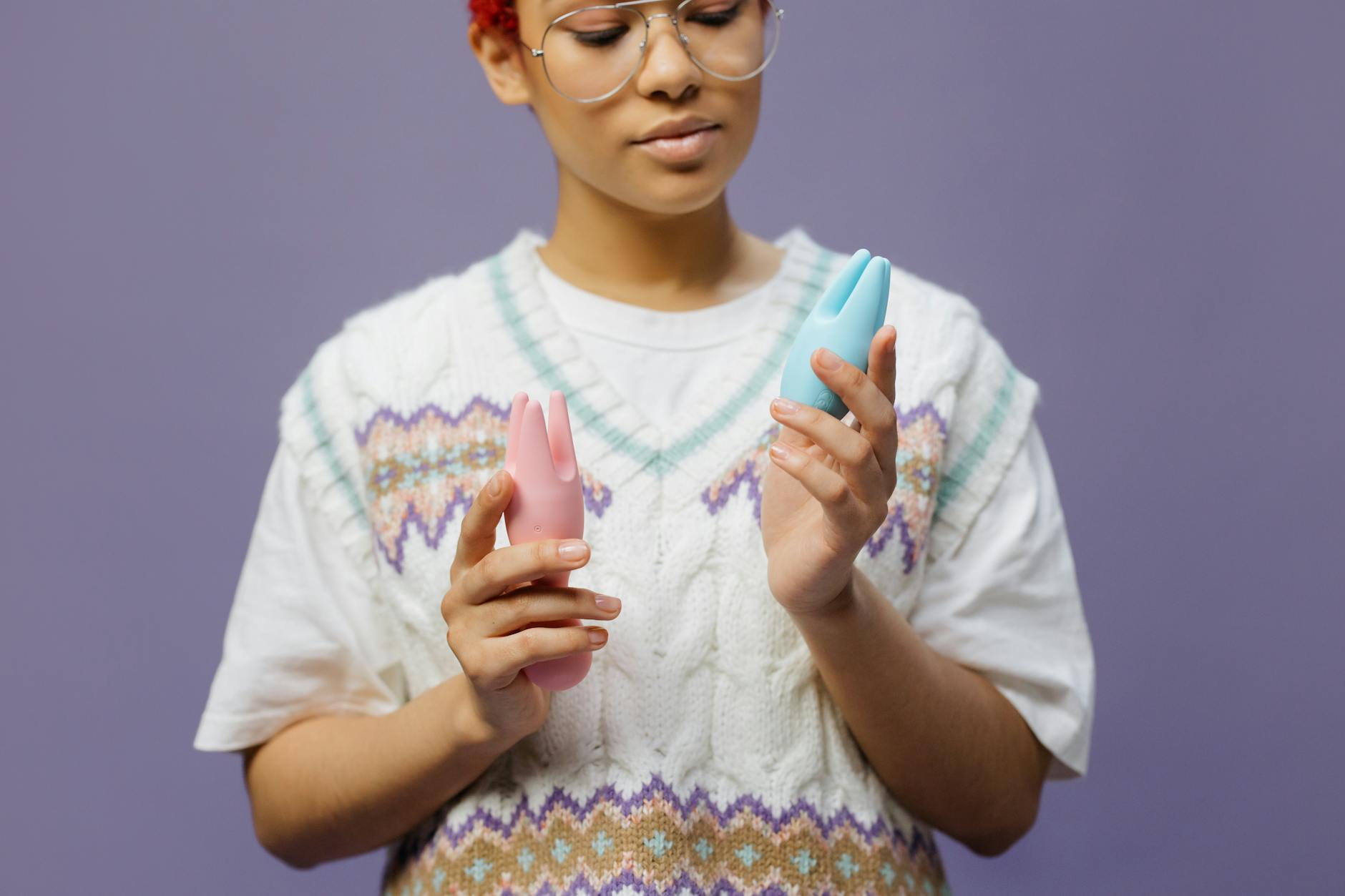
Traditional vibrators rely on frequency and intensity to trigger response. If your threshold has shifted, pounding vibration becomes either too much or oddly numb. A lemon vibrator works through suction and pulsation rather than straight vibration, which means it can stimulate without overwhelming tissue that's already hyperaware from months of breastfeeding or constant baby contact.
The suction mechanism creates a gentle, concentrated sensation that doesn't require the same level of nerve density to feel satisfying. For postpartum bodies, this is crucial. You get sensation and pleasure without the intensity that can feel jarring when your nervous system is already running on high alert.
More practically, suction-based stimulation feels less clinical than traditional vibration. It's closer to how your body actually responds during partnered sex. That matters when you're trying to rebuild intimacy with someone who's also terrified they're going to hurt you or that you don't want them anymore.
The timeline nobody mentions
Everyone talks about the six-week or twelve-week medical clearance. What they don't mention is the arousal timeline, which is wildly different from the healing timeline. You can be physically healed and still have zero spontaneous desire. You can feel touch-starved and simultaneously unable to tolerate being touched. Both are normal postpartum.
If you're exclusively pumping or formula feeding, hormonal recovery is faster. If you're breastfeeding exclusively, prolactin suppression can last as long as you're nursing. If you're combination feeding, you're in a weird middle space where desire fluctuates unpredictably.
The useful part: this is temporary, but you don't have to white-knuckle through it. When you're rebuilding desire after years of low libido, solo exploration with a lemon vibrator helps your nervous system remember what responsive arousal feels like without the pressure of partner dynamics.
How to actually use a lemon vibrator postpartum
Start absurdly gentle. Seriously. Begin on the lowest setting, even if it feels like nothing. Your threshold has shifted. You're also likely still somewhat numb from the combined effects of hormones and touch saturation. The goal isn't orgasm. The goal is sensation recognition.
Use it solo first, away from partner expectation. This matters. You need to reconnect with your own arousal pathway without the cognitive load of worrying whether your partner is enjoying this or whether you're taking too long or whether you look weird. Solo exploration with a lemon clitoral vibrator removes all of that noise.
Budget at least fifteen minutes. Postpartum arousal takes longer to build than you remember. That's not a problem. That's the timeline now. Work with it instead of against it.
Use warm water or a water-based lubricant. Even if you don't think you need it. Postpartum hormones affect natural lubrication, whether or not you've been cleared for penetrative sex. The tissue is thinner, more sensitive. Lubrication isn't about "being ready." It's about comfort and sensation.
Rebuilding with a partner when arousal feels strange
The conversation with your partner matters more than the toy. Before you bring a clitoral vibrator into partnered sex, your partner needs to understand that this isn't about them failing to turn you on. This is about your body being in a completely different neurological state than it was nine months ago. That's data, not judgment.
When you do use a lemon vibrator together, consider starting with mutual exploration where they hold the toy but you're directing pace and placement. This keeps you in control while rebuilding trust that your body can feel good during shared intimacy.
Don't skip the non-sexual touching. Postpartum bodies often feel touched out, which makes sexual touch feel aggressive by comparison. Rebuilding arousal requires a slow scaffolding of non-sexual physical affection first. Massage. Hand-holding. Sitting close. Then, gradually, more intentional touch. The lemon vibrator becomes part of that landscape, not the main event.
When to seek actual support
If you're more than six months postpartum and feel zero desire, that's worth discussing with your provider. Postpartum depression and postpartum anxiety both suppress arousal. So does untreated thyroid dysfunction, which is common postpartum. This isn't something a vibrator fixes. It's something you need professional support for.
If penetrative sex still hurts, don't force it. Postpartum pain has specific causes, and most are treatable. Pelvic floor physical therapy, topical estrogen if you're breastfeeding (yes, it's safe), stretching protocols. A good pelvic floor PT can transform the experience in weeks.
If you're experiencing intrusive thoughts about your body or genuine aversion to sexual touch, that's also worth professional exploration. Postpartum relationship trauma is real. So is postpartum OCD that manifests around sexuality. These aren't things willpower or even the best clitoral vibrator can fix alone.
The thing everyone needs to hear
Your postpartum arousal isn't a reflection of how much you love your partner or want your life. It's a reflection of what your nervous system is managing right now. The fact that you're reading this means you care about reconnecting. That intention matters. The lemon vibrator is a tool for that reconnection, not a substitute for patience, communication, and time.
Your pleasure matters. It also doesn't need to be urgent. You have time to rebuild this. And when you do, it often becomes richer than it was before, because you've learned what your body actually needs instead of what you thought it should feel like.
People also ask
When can I safely use a lemon vibrator after giving birth?
Most providers clear you for external stimulation as soon as you feel physically ready, often around four to six weeks postpartum if you had a straightforward vaginal delivery. If you had a C-section or significant tearing, your provider might recommend waiting longer. The rule: if it doesn't hurt, it's okay. Start gently with external stimulation only. If you're concerned, ask your OB or midwife at your follow-up appointment. There's no shame in the question. They've heard it before.
Does breastfeeding really suppress arousal, or is that just exhaustion?
It's both, but breastfeeding specifically does suppress arousal through prolactin, which is the hormone that tells your body to produce milk. High prolactin levels actively inhibit sexual desire. Add exhaustion, touch saturation, and hormonal fluctuation, and yes, desire tanks. The good news: this is temporary. Most people notice arousal returning as they reduce breastfeeding frequency or wean entirely. Some notice shifts even while still nursing as prolactin levels gradually normalize.
Can I use a clitoral vibrator if I'm still healing from tearing or an episiotomy?
External stimulation only until you're fully healed, which is typically six to eight weeks. A lemon vibrator stays on the external clitoris, which means you can explore arousal without risking internal healing. That said, if any touch causes pain, stop. Pain is data. It means tissue isn't ready yet. The timeline is personal, and it's okay if yours is longer than average.
My partner feels rejected when I need to use a toy. How do I explain this without hurting them?
Frame it as something you're doing for yourself, not something happening to them. "My arousal timeline has shifted postpartum, and I need to explore what my body needs right now" is different from "you're not turning me on." A lemon vibrator can also be something you use together, where they participate in the experience. This removes the spectator dynamic and makes it collaborative. And yes, your partner might need reassurance that this is temporary and that you still want them. That conversation is worth having explicitly, even if it feels awkward.
How long does postpartum arousal take to return to normal?
There's no standard timeline. Some people notice shifts within a few months. Others take a year or longer, especially if breastfeeding. The complication: "normal" is different after you've had a baby. Your body changed. Your priorities shifted. Your arousal pattern might genuinely be different, not worse. The goal isn't return to baseline. It's finding what baseline actually looks like now.
Is it normal to feel almost numb down there after giving birth?
Completely normal. Hormonal shifts, nerve changes from delivery, sustained prolactin elevation, and touch saturation all contribute. It usually resolves, but the timeline varies. A lemon vibrator can help because it provides consistent, gentle stimulation that doesn't require you to feel sensation in the way you used to. Sometimes reawakening sensation requires meeting your body where it actually is, not where you expect it to be.
You're not broken
Postpartum arousal feels impossible sometimes. Your body has done something extraordinary, and now it's operating under a completely different set of rules. That's not failure. That's biology meeting real life. A lemon clitoral vibrator is a tool for exploring what arousal actually feels like now, without judgment or pressure. Your pleasure matters. Your timeline matters. And you get to define what reconnection looks like for you.