Let's stop pretending all lemon vibrators are the same
Your partner swears by their lemon vibrator. Your therapist recommends one. TikTok has opinions. But when you're standing in front of the screen actually trying to pick one, the real question isn't "Is a lemon vibrator good?" It's "Is this lemon vibrator right for my body?"
That's a totally different question, and it deserves a real answer.
The tech divide: air-suction versus traditional vibration
This is the fork in the road. Everything else lives downstream of this choice.
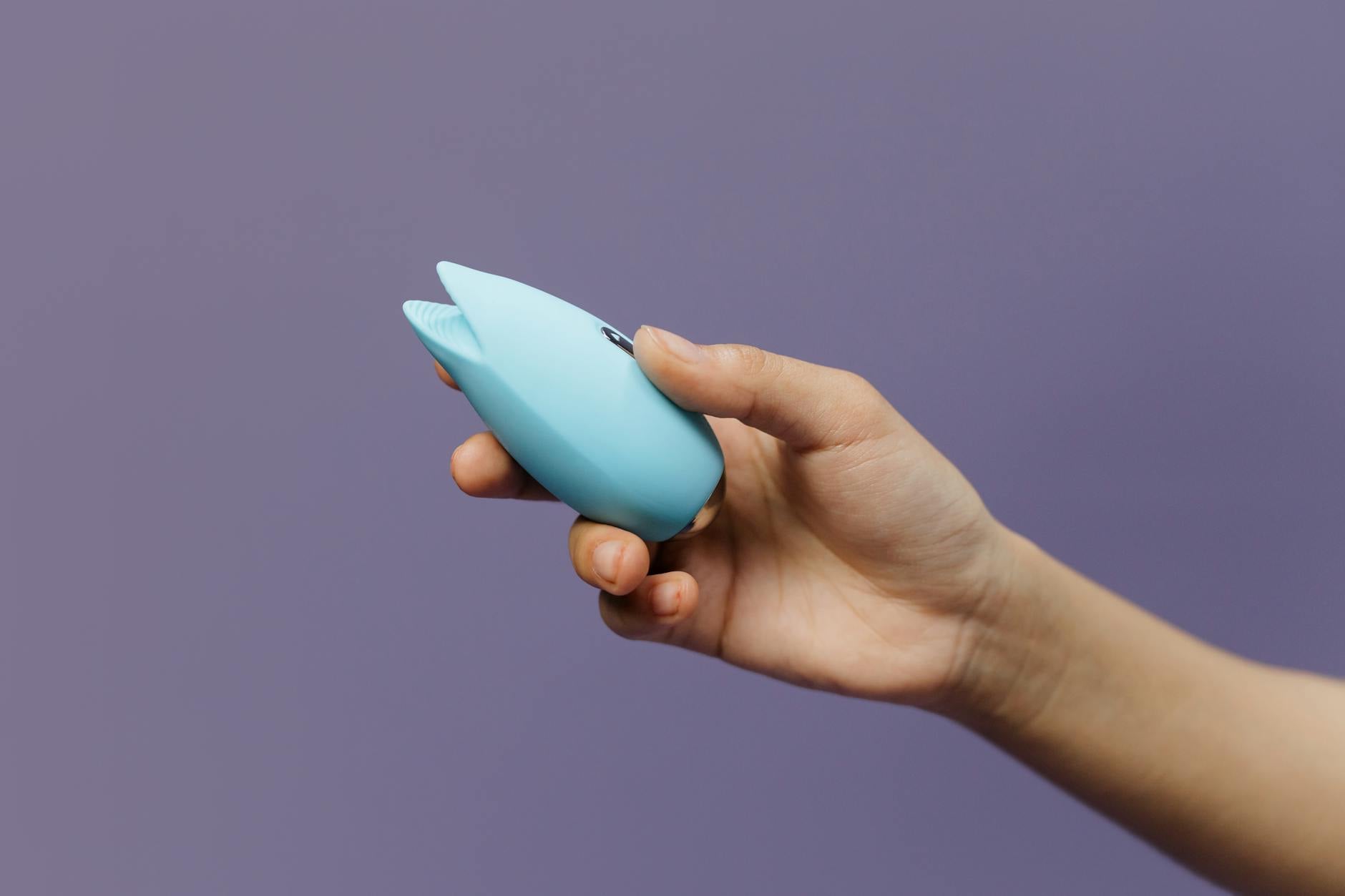
Most lemon vibrators you'll encounter fall into one of two camps. The original lemon clitoral vibrator uses air-suction technology. It creates a gentle vacuum sensation rather than buzzing directly against tissue. Think of it less like a vibrator and more like a soft mouth. The sensation builds gradually and feels fundamentally different from what a traditional vibrator does.
Traditional vibrators, by contrast, work through oscillating motors. They buzz or pulse at various frequencies and intensities. They make contact with the clitoris directly.
Why does this matter? Because your clitoral sensitivity often determines which approach will actually feel good. Someone with a highly sensitive clitoris who tries direct vibration might feel overwhelmed or even uncomfortable. Someone with lower sensitivity might find air-suction too subtle to register at all.
Neither is better. They're just different pathways to the same destination.
Understanding your clitoral sensitivity baseline
Before you pick a device, you need to know where you sit on the sensitivity spectrum. This isn't about being "normal" or "broken." It's just data about your body.
High sensitivity usually means: direct contact feels intense quickly, you prefer lighter touch, traditional vibration can feel too much, you might experience discomfort if stimulation is too direct or too fast. Low sensitivity usually means: you need more concentrated pressure or intensity to feel much at all, light touch feels like nothing, you might prefer steady buzzing over pulsing, air-suction feels too subtle without some tweaking.
Mid-range sensitivity (the most common): you can handle both approaches, but you have preferences about intensity, speed, and pattern.
The honest way to figure out where you are: think about how your body responds to direct touch during partnered sex, or how you've felt with other toys, or even just manual stimulation. Does light touch feel amazing or does it make you want more? Does direct pressure feel good or overwhelming? If you're starting totally fresh, you might not know yet, and that's okay.
If that's you, pick the lower-intensity device first. You can always add more intensity next time. Backing away from too much is annoying.
Why intensity ranges matter more than you think
Lemon vibrators vary wildly in their intensity ceiling. Some are designed to be gentle. Others are designed to be loud and powerful. This isn't a "premium versus budget" thing either. Some pricey devices are built for subtlety. Some affordable ones hit hard.
If you have high clitoral sensitivity, a low-intensity device means you can actually control the experience without it being overwhelming. If you have lower sensitivity, a high-intensity device means you're not constantly wishing for more power.
Look for devices that advertise their intensity range or intensity settings. A lemon clitoral vibrator with five speed levels gives you way more room to find your sweet spot than one with three. A device with adjustable intensity is genuinely more useful than a one-speed wonder, even if it costs a bit more.
The pattern question: do you want steady or varied
Beyond intensity level, pattern makes a huge difference. Some lemon vibrators offer only steady vibration at different speeds. Others offer pulsing patterns, waves, or combinations.
For high sensitivity: steady vibration at lower speeds is usually more comfortable than patterns that jump around. Your nervous system doesn't have to keep adjusting.
For lower sensitivity: patterns with variation or pulses can feel more interesting because they keep the stimulation from becoming monotonous.
For mid-range sensitivity: you probably have flexibility, but you'll develop strong preferences. Some people find pulsing distracting. Others find steady boring. The only way to know is to try.
Here's the thing though: pattern preference isn't fixed. What feels right can change depending on your cycle, stress levels, whether you're partnered in the moment, and a hundred other variables. A device that offers flexibility beats one that locks you into a single pattern.
Material, shape, and ergonomics (these aren't trivial)
A device can have perfect intensity and pattern and still feel wrong in your hand. Shape matters.
Lemon vibrators typically have a rounded, bulbous head designed for clitoral contact. The question is what feels natural in your hand and against your body. Some people prefer a more elongated shape. Others love the compact design. Some want a handle, others want something they can use with one finger.
Material affects sensation too. Silicone feels different from harder plastics. It's usually more comfortable against sensitive tissue and it's easier to clean.
Waterproof or water-resistant matters if you like shower or bath play. It also matters for cleaning. A waterproof device is just easier to rinse thoroughly.
Weight is underrated. A heavy device can feel grounding and secure. A light one means less hand fatigue if you use it for longer sessions. Both are valid preferences.
If you're ordering online and can't physically test the device, read reviews that specifically mention how it felt, not just whether it "worked." Look for comments about handle comfort, weight, shape feel, and whether it was overwhelming or underwhelming.
The noise factor (yes, it matters)
Some lemon sexual toys are nearly silent. Others are noticeably loud, especially at higher settings. If you live with roommates, have thin walls, or just value discretion, this is real.
A loud device isn't inherently worse. But if you can't use it without announcing it to the neighborhood, that's a practical limitation worth knowing upfront.
Comparing lemon sexual toys side by side: a framework
When you're actually deciding between options, ask yourself these questions:
Does the technology match my sensitivity? (Air-suction for high sensitivity, vibration for lower, or flexible for mid-range.)
How many intensity levels? (More is better for finding your exact comfort zone.)
Does it offer pattern variety? (Flexibility beats single-function.)
Does the shape feel right to me? (This is genuinely subjective and important.)
Is it waterproof? (Practical and extends usability.)
How loud is it? (Check reviews from people who actually mention sound.)
What's the warranty? (Decent brands stand behind their products.)
Does the price feel reasonable for the feature set? (Not always the most expensive option is the best.)
If you've used devices before, which features did you actually like? (Your history is a map.)
You don't need a perfect score on all of these. But being intentional about a few priorities beats grabbing whatever looks prettiest.
Starting over when the first choice doesn't land
Sometimes you pick wrong. Or sometimes your body changes and what worked stops working. That's not failure. That's just the reality of pleasure.
If you bought a lemon clitoral vibrator and it doesn't feel right, you have options. If it's too intense, you might not need to replace it. Try lower intensity settings first. Slower speeds. Pattern variations instead of steady. Sometimes the device is fine and you just needed to adjust how you were using it.
If it's truly not a match, that's also fine. Different doesn't mean broken. It means you learned something about your preferences, and next time you'll make a more informed choice. That's actually progress.
If you're nervous about trying a device for the first time, that's normal. But understanding your sensitivity baseline before you choose removes a lot of the guesswork and makes the first experience less fraught.
Sensitivity changes over time (and that's normal)
One more thing worth knowing: your clitoral sensitivity isn't static. It changes with stress, hormones, medications, age, and life circumstances. The device that felt perfect five years ago might feel completely different now.
That's not weird. It's just biology. And it's a good reason to pick a device with flexibility built in. You want something that can grow with you and adjust to your body as it shifts.
FAQ: Choosing a Lemon Vibrator for Your Body
What if I have no idea where I fall on the sensitivity spectrum?
Start with a mid-range intensity device with adjustable settings. It's the safest bet because you can dial down or up as you learn. Air-suction is also a good starting point because it tends to feel less overwhelming for first-timers, but if you know you like firmer pressure with hands, vibration might be more your lane. The honest answer is you'll learn by trying, so pick something that gives you flexibility while you figure it out.
Do I need multiple lemon vibrators or can one device really do everything?
One good device with multiple intensity levels and pattern options can genuinely cover most of what you need. You don't need a whole collection. That said, people often find they like different tools for different moods or different parts of partnered sex. You don't need to buy everything at once. Get one, learn your preferences, and add if you actually want to.
Is an expensive lemon vibrator always better than a cheaper one?
Not necessarily. A $40 device with five intensity levels and good ergonomics beats a $150 device with weak motors and bad reviews. What matters is the actual features and how people say it feels. Read reviews from real customers, especially ones that mention sensation, not just whether it "works."
Can sensitivity change even within one session?
Completely. You might start off low-sensitivity and as you warm up and arousal builds, direct stimulation feels better. This is normal. A device with adjustable intensity lets you start where you need to and shift as your body responds. This is actually another reason flexibility in a device is valuable.
What if my partner and I have different sensitivities?
Good question. The honest answer is you might genuinely need different tools. Different bodies respond differently. One person's perfect intensity is another person's ouch. Luckily, clitoral vibrators aren't that expensive. Getting one device that works for you and one that works for your partner is totally reasonable. Or you pick something with enough flexibility that you can both use it and just dial it differently.
Should I ask friends what they use or just pick based on specs?
Both. Specs tell you what the device can do. Friend recommendations tell you how it feels in actual hands. But remember: your sensitivity might be different, your preferences might be different, your body might respond differently. Use friend recommendations as data points, not as the final answer. The best device for your friend might be the wrong one for you, and that's completely okay.
The real framework: your body, your choice
Choosing the right lemon vibrator isn't about following someone else's recommendation or guessing what you "should" like. It's about knowing enough about how your body works that you can make an informed choice.
Your clitoral sensitivity, your preference for intensity and pattern, your ergonomic needs, your sound tolerance. These aren't trivial details. They're the actual determinants of whether a device will feel good or just sit in a drawer.
Take five minutes to think through your sensitivity, your past experiences with touch, what intensity feels right. Check reviews from people who describe sensation, not just outcomes. Pick something with some flexibility built in. And know that if the first choice doesn't land, you've learned something valuable about yourself for next time.
Your pleasure deserves that level of intentionality. Not because it's shameful. Because it matters.