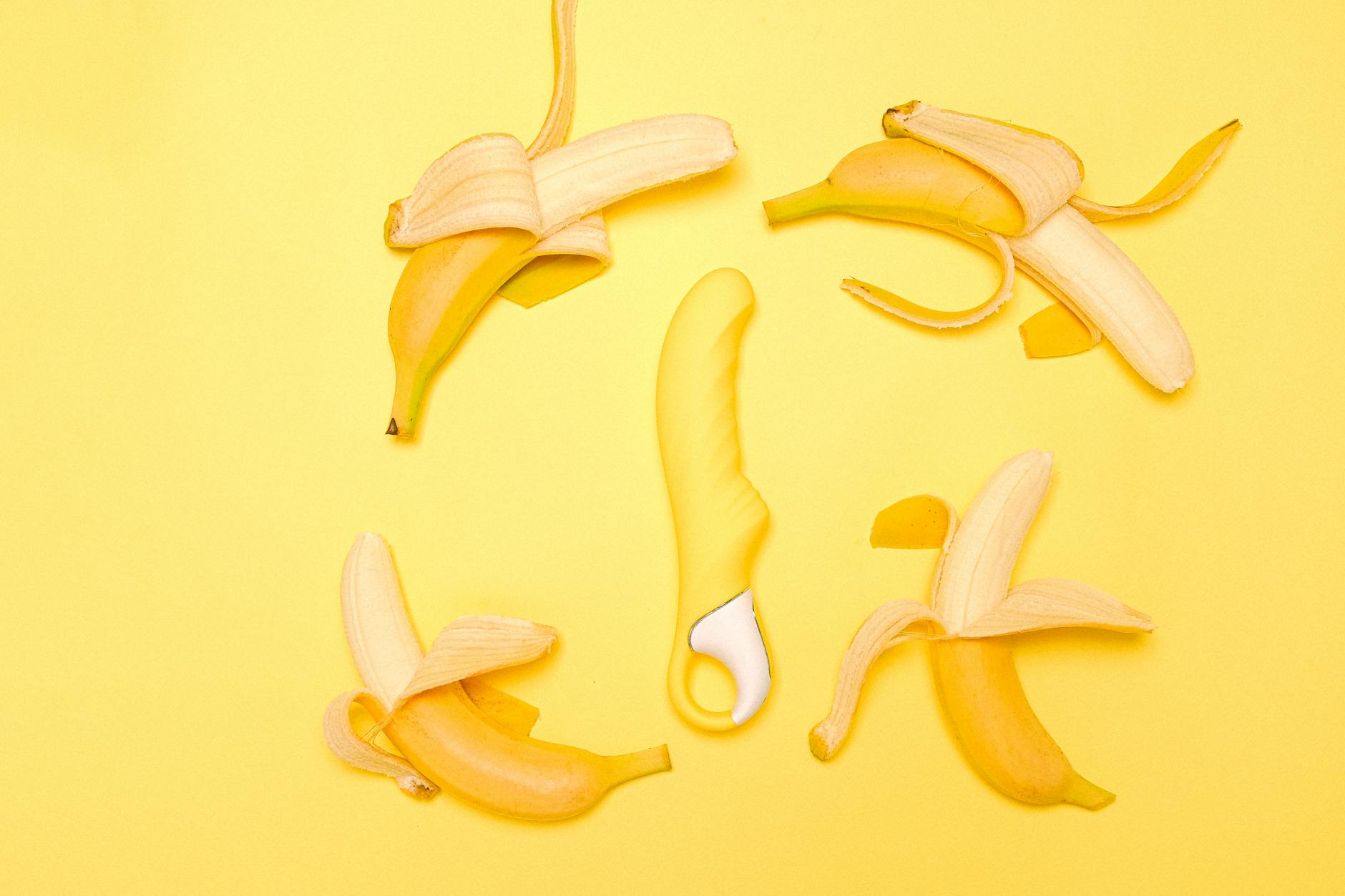
Let's be real about antidepressants and sex
SSRIs work. They pull you out of the dark. They give you back your mornings, your focus, your will to be alive. And then, somewhere around week four, you realize you can't orgasm anymore. Or you can, but it takes forty-five minutes and feels like pushing a boulder uphill. Or the whole thing feels distant, like watching someone else's pleasure through thick glass.
That numbness is real. It's not in your head. It's also not a permanent sentence.
What antidepressants actually do to sensation
SSRIs and SNRIs work by increasing serotonin and norepinephrine in your brain. This is great for mood stability. It is less great for the specific neurochemical cascade that makes orgasm happen. Here's why.
Orgasm requires a dip in serotonin (counterintuitive, I know). SSRIs raise serotonin. By design, they make it harder for that dip to occur. Separately, antidepressants can reduce dopamine sensitivity in the reward center of your brain, which means the pleasure signals that normally fire during arousal get dampened. It's not that sensation is gone. It's that the volume is turned way down.
Different drugs do this differently. Sertraline tends to flatten libido more than fluoxetine. Bupropion actually helps some people because it works on dopamine instead. If your particular medication is the culprit, talk to your prescriber about switching. Sometimes a simple change in timing (taking the dose at night instead of morning) helps a little.
But switching isn't always possible or practical. So what do you do in the meantime?
Why lemon vibrators work better than everything else
Here's the thing about antidepressant-related numbness: traditional vibrators often make it worse. A buzzing vibration at high frequency can feel buzzy but not satisfying. It's stimulation without the payoff. You end up chasing sensation that never quite lands.
Lemon clitoral vibrators work differently. The suction mechanism (air-pulse technology) doesn't rely on vibration. Instead, it creates a gentle pulling sensation that mimics the rhythm of oral sex. This works for three specific reasons when you're dealing with dampened sensitivity.
First, suction activates different nerve endings than vibration does. Your clitoris has thousands of nerve endings, and they're not all responding the same way to stimulation right now. Suction targets the deeper structures of the clitoral complex, which often retain sensitivity even when the surface feels numb.
Second, the sensation builds differently. A traditional vibrator gives you maximum intensity from second one. A lemon vibrator starts gentle and can build gradually, which actually helps your brain register the sensations instead of filtering them out. Your nervous system is already dampened by medication. Sudden intensity often just gets ignored.
Third, suction feels more textured and dynamic than a single buzzing frequency. Even on the lowest setting, there's something alive about it that doesn't feel generic.
The practical setup that actually works
If you're going to try a lemon clitoral vibrator (or any air-pulse toy) while on antidepressants, here are the conditions that matter.
Start at the lowest setting. Not because you're broken, but because your nervous system is filtering out sensation. Going straight to pattern three just teaches your body to ignore it faster. Begin at setting one and stay there for three to five minutes. Let your body register that something is happening.
Budget time like you're not expecting an orgasm. This sounds counterintuitive, but it's key. The moment you show up thinking "I need this to work," your brain's threat detector activates, which makes arousal harder. Show up curious instead. "I'm going to feel what my body can feel right now, with no deadline." This reframes the entire experience.
Use plenty of lubricant. Antidepressants can reduce natural lubrication, and that dryness makes everything feel less intense. Water-based lubricant turns a dry, frustrating experience into something that at least glides. It costs nothing and changes everything.
Pair it with something that works for your brain, not just your body. For some people, that's a fantasy or memory that still turns them on. For others, it's explicit audio or reading material. For others, it's simply being alone in a locked room without thinking about laundry. Your brain is half the battle here.
When to involve your partner
If you're partnered and dealing with this, the conversation matters more than the tool. Many people in relationships assume the numbness is about their partner, which it isn't. It's about the medication. But if you don't say that out loud, your partner internalizes it as rejection.
Try this: "My medication is making it harder for my body to feel pleasure. That's not about you or how I feel about you. I'm going to work on this, and I might need some patience while I figure out what helps." This separates the medical fact from the relationship fact.
If you want your partner involved, let them know it's not about performance. It's not about them doing something different or better. It's about creating the conditions where your body can feel anything at all. Sometimes that means they use the lem vibrator with you. Sometimes it means they just hold you while you use it alone. Both are valid.
The role of time and patience
Antidepressant sexual side effects often improve with time. Not always. Not for everyone. But studies show that around three to six months, some people's bodies adjust and sensation starts to return. Others find they level out at a new normal that's different from before but still functional.
This is not a reason to stop taking your medication. Your mental health is worth this inconvenience. But it's worth knowing that if you're newly medicated, you might not be stuck here forever.
In the meantime, you're not broken. Your body isn't punishing you. Your medication is doing exactly what it was designed to do, and one of the side effects is that pleasure got quieter. That's fixable with tools, patience, and honest conversation with yourself and your partner.
FAQ: Antidepressants, sensation, and lemon vibrators
Can I take my antidepressant at a different time of day to reduce sexual side effects?
Maybe. Some people find that taking their SSRI at night instead of in the morning helps, because the peak levels are lower during the day when they're trying to have sex. Talk to your prescriber before changing your timing, though. For some medications and some people, this doesn't matter at all. For others, it's genuinely helpful. Your doctor can tell you if it's worth trying.
How long does it usually take before antidepressant sexual side effects get better?
Anywhere from three weeks to never, honestly. Most people notice some improvement within three to six months as their body adjusts. Some people's side effects never fully resolve, which is why talking to your prescriber about alternatives or dosage adjustments matters if this becomes a real quality-of-life issue. You have options, even if they take time to explore.
Will a lemon sucker vibrator work if I can barely feel anything down there?
Yes, often better than a traditional vibrator. The suction sensation activates different nerve pathways than buzzing vibration does, and it's often perceptible even when surface sensation feels numbed. Start on the lowest setting and give yourself time. Sensation often comes back once your body realizes something is actually happening.
Should I stop my antidepressant if it's killing my sex drive?
No. Your mental health comes first. But do talk to your prescriber. Some SSRIs flatten libido more than others. Switching to a different medication, adjusting your dose, or adding something to counteract the sexual side effect (like bupropion or buspirone) might be options worth discussing.
Can therapy or communication fix antidepressant numbness?
Therapy and communication can help you cope with it and manage the relationship impact, which matters. But they can't override the neurochemistry. You need the tools (like lemon vibrators) and the communication (with your partner and your doctor) working together. Neither alone is enough.
Is it normal for a lemon clitoral vibrator to feel less intense than a regular vibrator?
Actually, lemon vibrators often feel more intense to people whose sensation is dampened, because the suction activates deeper nerve structures. That said, intensity is personal. If you're not feeling much on the lowest settings after several tries, your numbness might be deeper than what a vibrator alone can address. That's worth mentioning to your doctor.
The bottom line
Antidepressants are lifesaving. They're also sometimes inconvenient. The numbness you're experiencing isn't laziness or low desire or a failing relationship. It's a side effect of medication that's keeping you alive. That's worth some patience and some problem-solving.
Lemon clitoral vibrators, because of how they work, are often the first tool people try when antidepressant-related numbness shows up. They're worth exploring. But they're not magic. What matters is that you're experimenting, communicating, and giving your body permission to feel pleasure on its own timeline, even if that timeline is slower and quieter than it used to be.
If you're struggling with this and haven't talked to your doctor yet, that's the first step. If you have and nothing has changed, talk again. You deserve pleasure. You also deserve mental health. Those two things don't have to be in conflict.